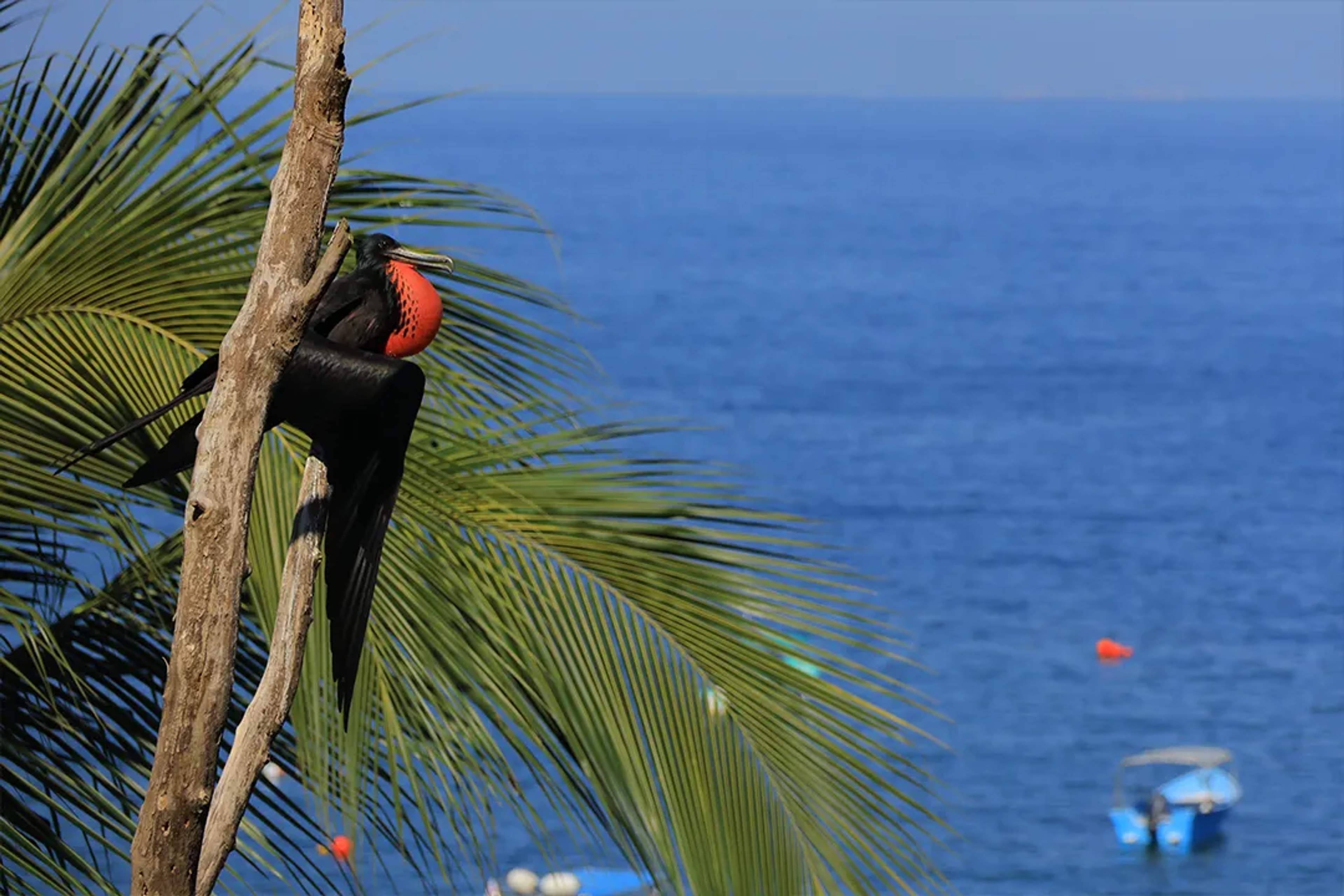
Where the Sierra Madre jungle drops into Banderas Bay, 350+ bird species thrive in one of Mexico's most biodiverse coastal regions. Blue-footed boobies nest on protected volcanic islands just offshore, while trogons call from the jungle canopy that hugs the coastline. When winter arrives, seabirds follow humpback whales through these same waters, creating a spectacular convergence of marine life.
The seasonal migration of humpback whales transforms these waters into a dynamic feeding ground, drawing both cetaceans and marine birds into the same viewing area. You're not just watching birds or whales—you're observing an entire ecosystem in motion.
Here's how to see them.
The Marietas Islands and Blue-Footed Boobies
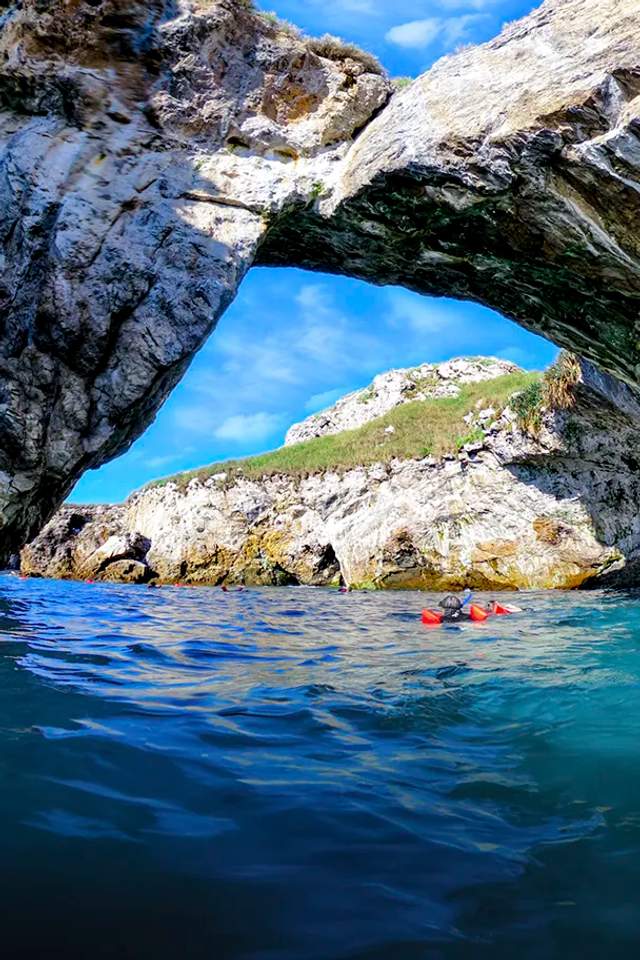
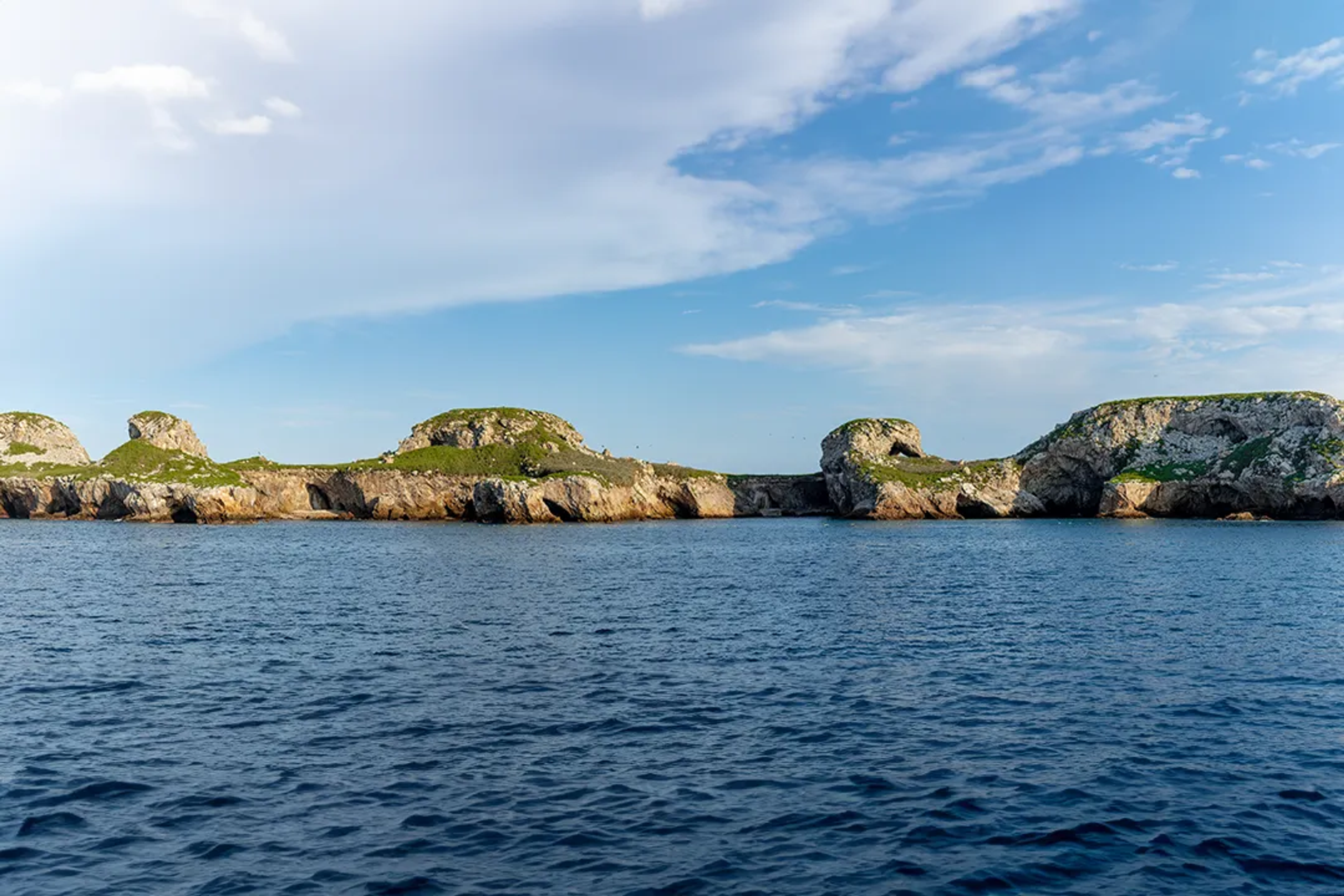
The Marietas Islands earned their UNESCO Biosphere Reserve status for compelling reasons that become obvious the moment you approach by boat. These volcanic islands host one of only two major global nesting sites for blue-footed boobies, making them an exceptionally rare breeding location that draws birders from around the world.
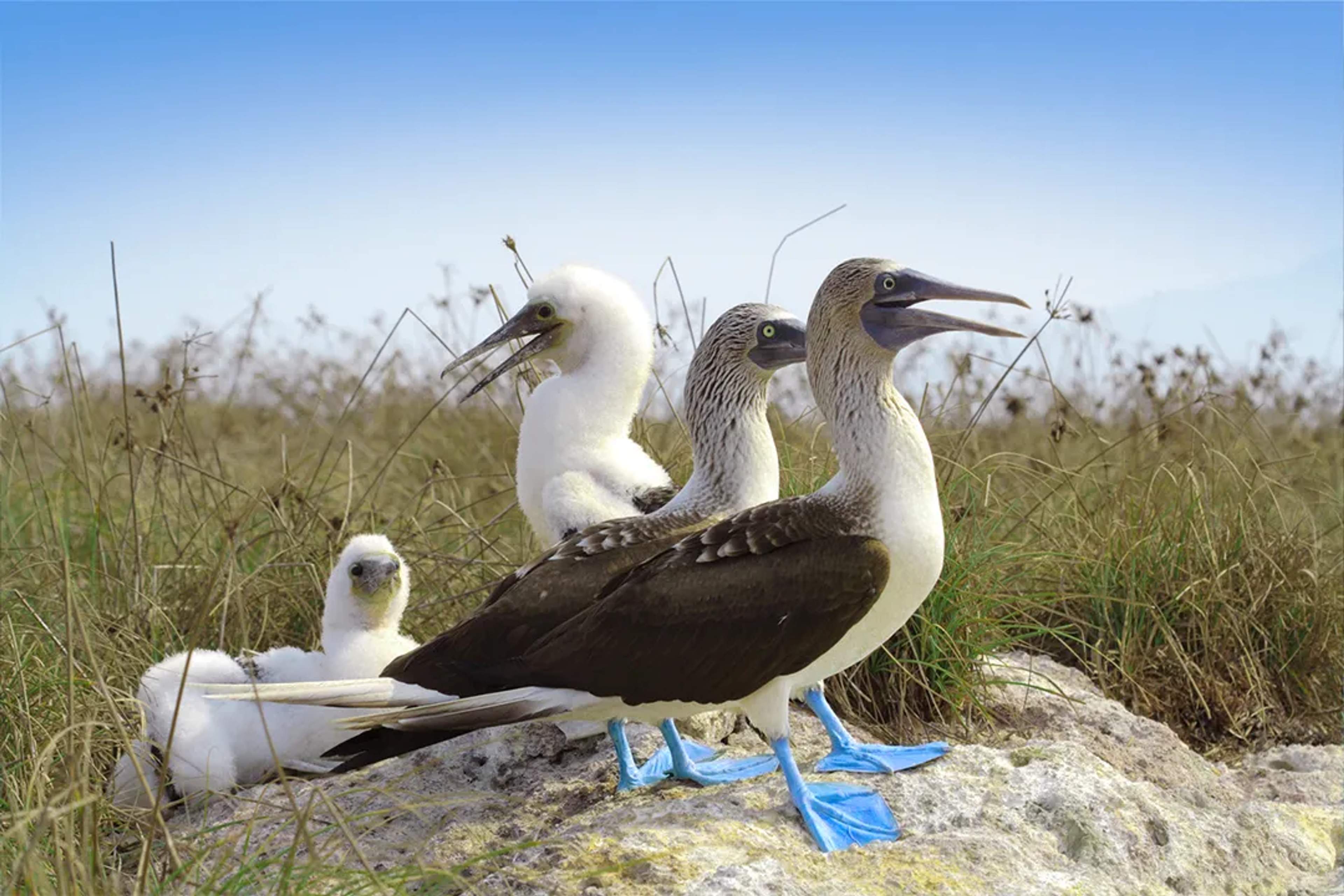
The craggy volcanic rock formations create natural nesting infrastructure that dozens of seabird species have claimed as home. This concentration of seabirds, protected by strict conservation status that ensures undisturbed breeding cycles, establishes the Marietas as a premier seabird watching destination where the density of species rivals remote Pacific colonies.
The Marietas Eco-Discovery Tour takes the comprehensive route, with knowledgeable guides explaining seabird behavior as boats approach nesting sites close enough for clear viewing—sometimes within meters of where boobies tend their nests.
Between focused bird watching sessions, you'll slip into the protected waters for snorkeling and paddle the coastline by kayak when conditions allow. The tour includes a BBQ buffet lunch at Majahuitas Beach, making it a full-day immersion in this protected ecosystem.
Visit between December and March, and the experience layers even deeper. Humpback whales migrate through these same waters, so you're watching from the boat as massive cetaceans surface between the islands while seabirds wheel overhead. The brown booby colony here ranks as the world's largest breeding population, and when combined with blue-footed boobies actively nesting in volcanic niches, the Marietas Islands provide seabird behaviors typically found only in remote Pacific colonies.
Hidden Beach and Island Viewing
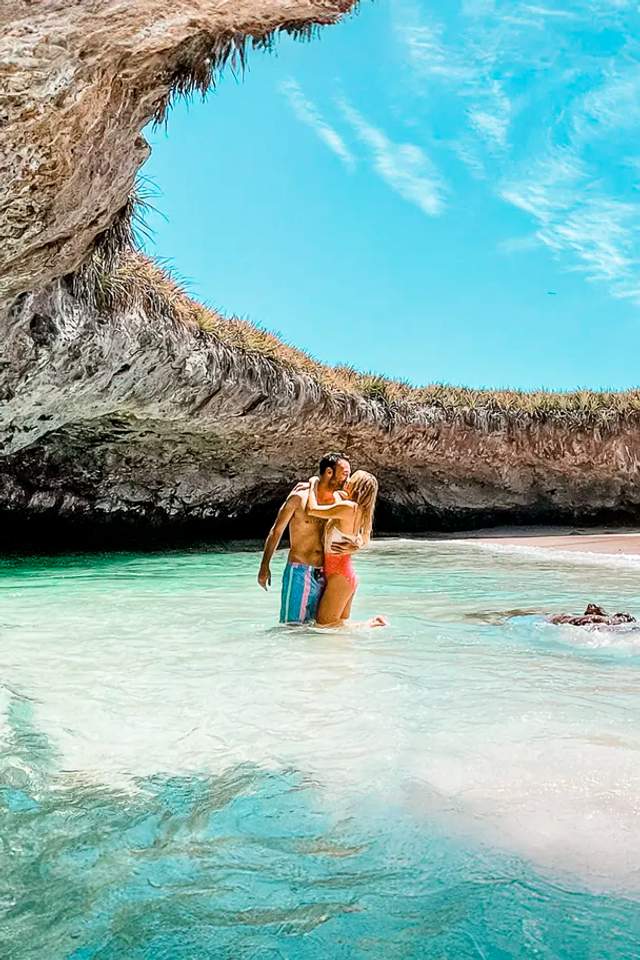
A speedboat cuts through morning water toward the Marietas, approaching from angles that reveal cliff-nesting species perched in volcanic crevices. The Island Discovery Tour brings you close enough to see individual birds tending their nests before the boat pulls into Hidden Beach—where you'll stand inside a volcanic crater open to the sky and Pacific Ocean.
The half-day format makes it ideal when you want focused seabird viewing without committing an entire day to the water. You're still in the UNESCO Biosphere Reserve with the same protected seabird populations, just experiencing different sectors of these remarkable volcanic formations.
The winter months between December and March stack experiences in ways that feel almost orchestrated by nature itself. While you're scanning rock formations for nesting blue-footed boobies and red-billed tropicbirds, humpback whales breach in the surrounding bay. This timing creates the richest wildlife viewing because winter migrant birds join resident seabirds during the same seasonal window that brings humpback whales north to Banderas Bay for breeding and nursing.

Las Caletas: Where Jungle Birds Meet the Bay
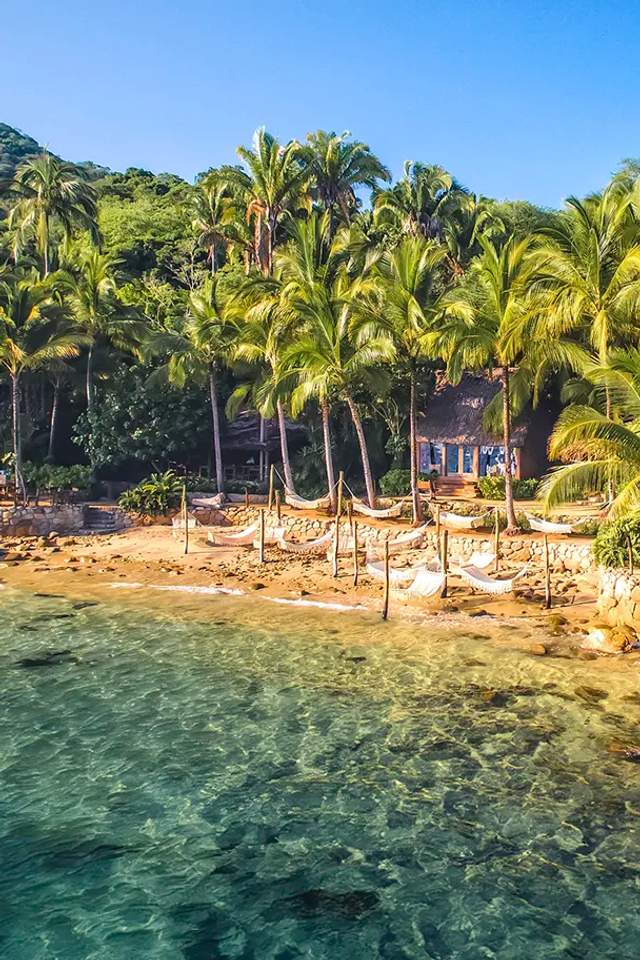
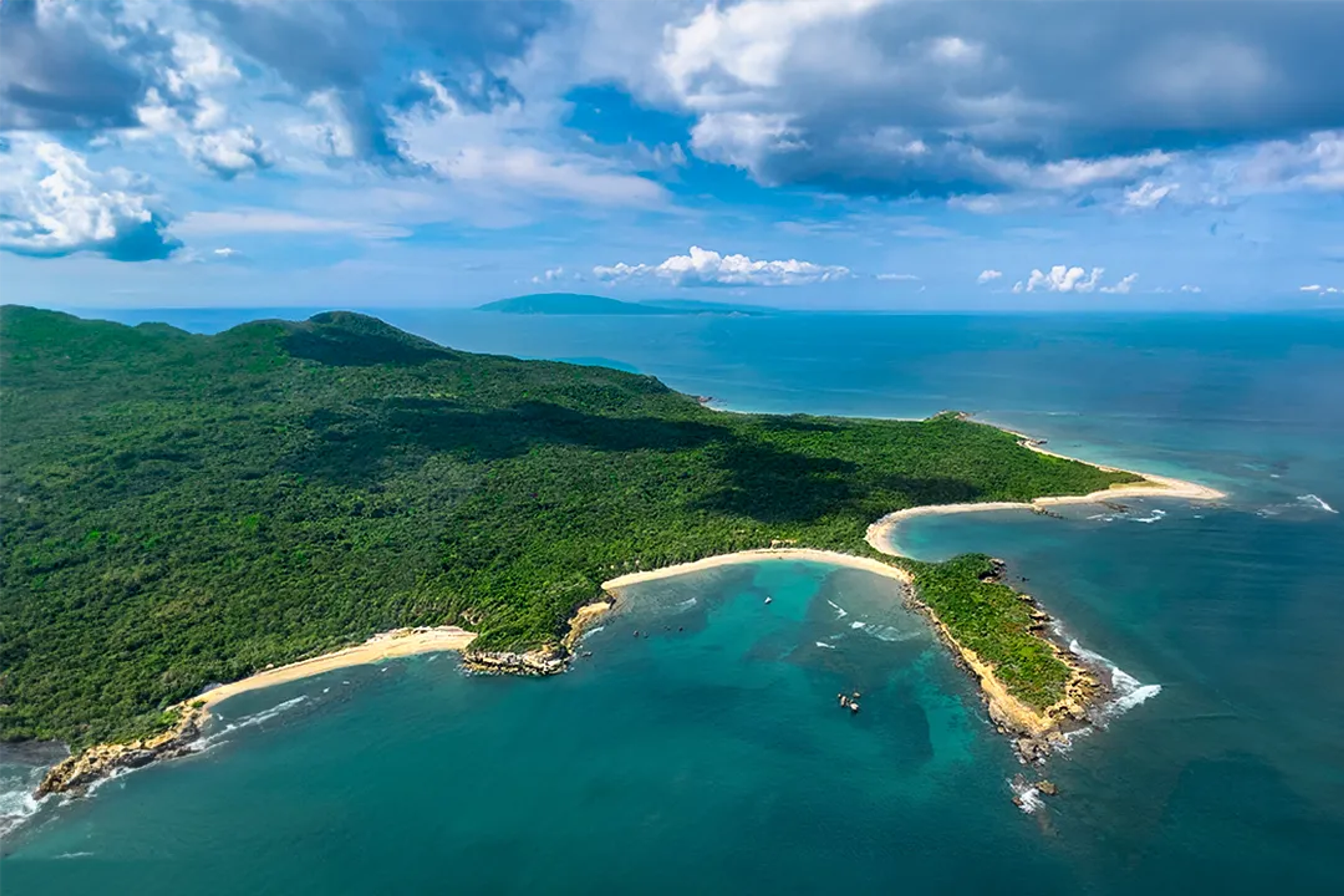
Las Caletas shifts ecosystems entirely, trading volcanic seabird colonies for the meeting point where Sierra Madre tropical forest tumbles down to meet Banderas Bay. This boat-access-only beach creates a unique convergence of three distinct bird habitats: coastal and marine areas, dense tropical jungle, and the mountain influence of the Sierra Madre.
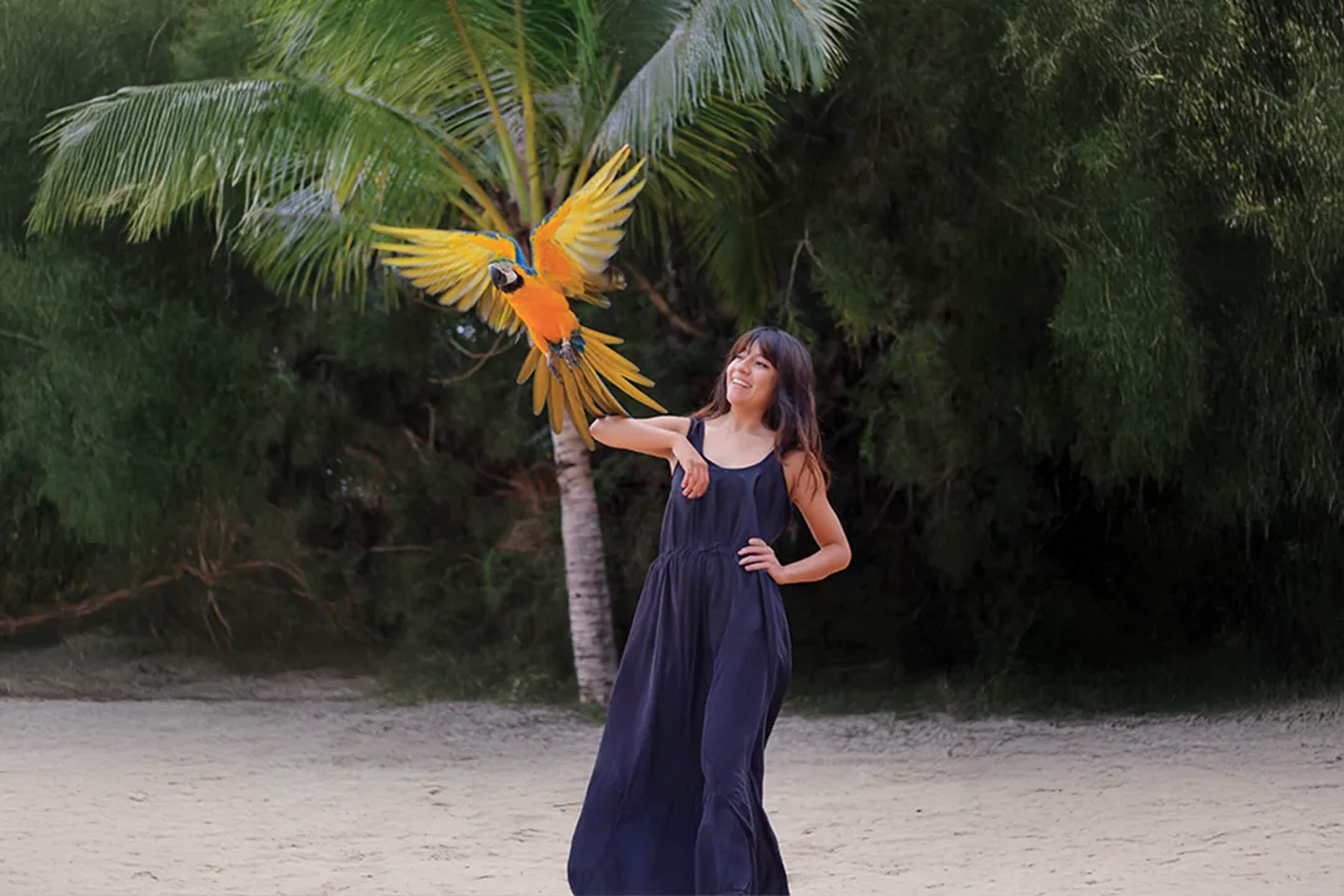
Here you'll find birds that exist nowhere else on your Banderas Bay birding journey. Lilac-crowned Amazons and San Blas Jays call through the canopy—species you won't encounter on the islands because they need the forest habitat that defines this location.
The Las Caletas Beach Hideaway includes the boat ride, but once you arrive, the rhythm changes completely. Guided nature walks take you into forest habitat where San Blas Jays, endemic to west Mexico, announce themselves loudly through the canopy with calls that echo between the trees.
The pace here differs fundamentally from island tours. You have time to stop when you spot movement, set up for photography with proper light and composition, and watch behavior rather than tallying species from a moving boat. Endemic to the Puerto Vallarta region, the Lilac-crowned Amazon represents another specialty species unavailable anywhere else in the world.
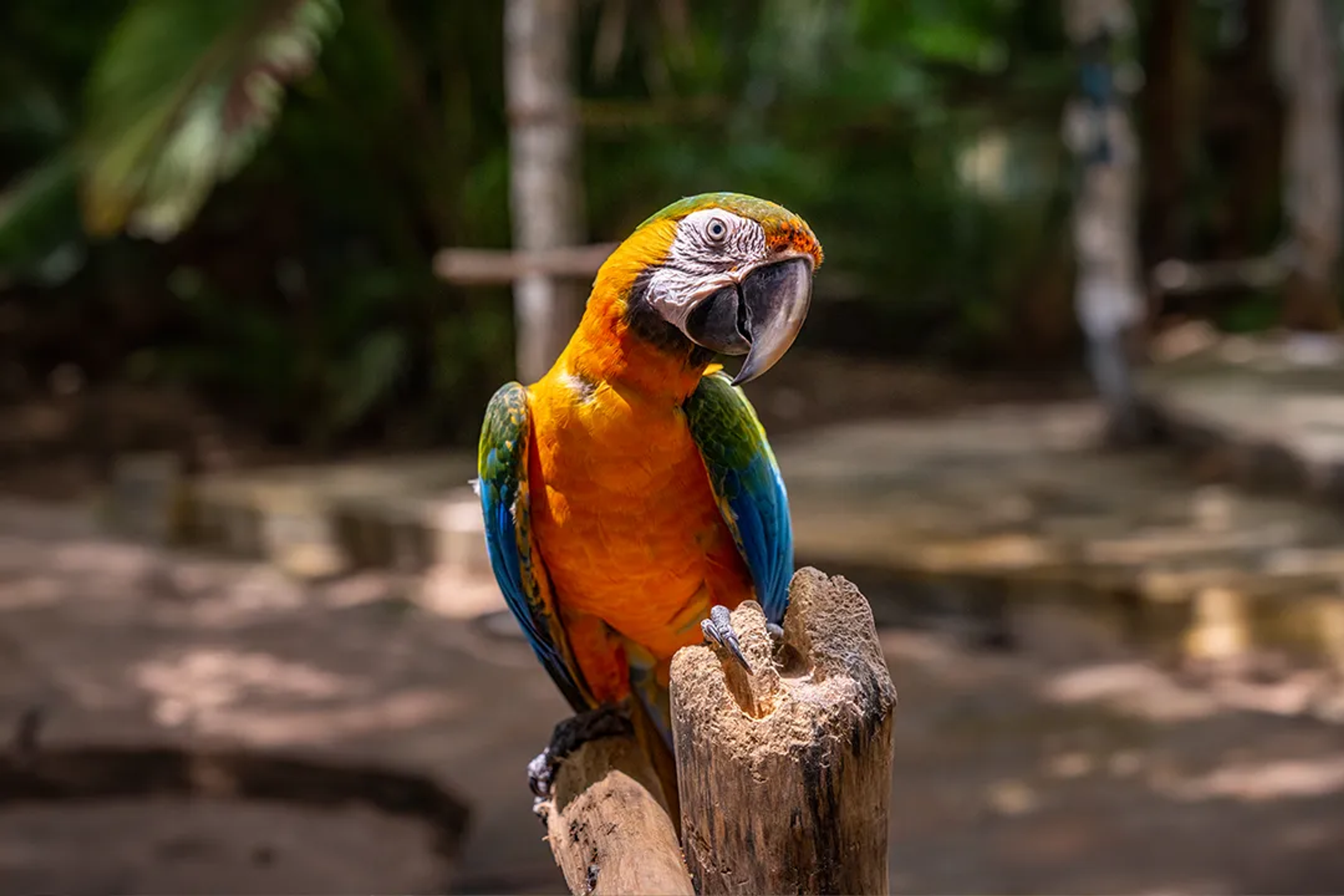
The forest habitat supports endemic species including Russet-crowned Motmots, West Mexican Chachalacas, and various woodpeckers. The Las Caletas property also includes wildlife areas where resident macaws and flamingos provide additional bird watching opportunities, offering photography opportunities and close viewing experiences that complement the wild endemic species in the surrounding jungle.
Whale Season Secret: Seabirds Follow the Giants
Between December 20 and March 1, humpback whales are guaranteed in Banderas Bay—one of the most reliable whale watching windows in the Pacific. The Whale Watching Adventure features boats specifically designed for optimal viewing of both cetaceans and the pelagic birds working the same waters.
The ecological relationship driving this convergence matters as much as the spectacle itself. When humpback whales surface and feed, they create disturbances that bring small fish and krill closer to the surface—exactly what pelagic seabirds need to fuel their own hunting. These birds follow marine mammal activity, taking advantage of feeding opportunities that large cetaceans create as they move through the bay.
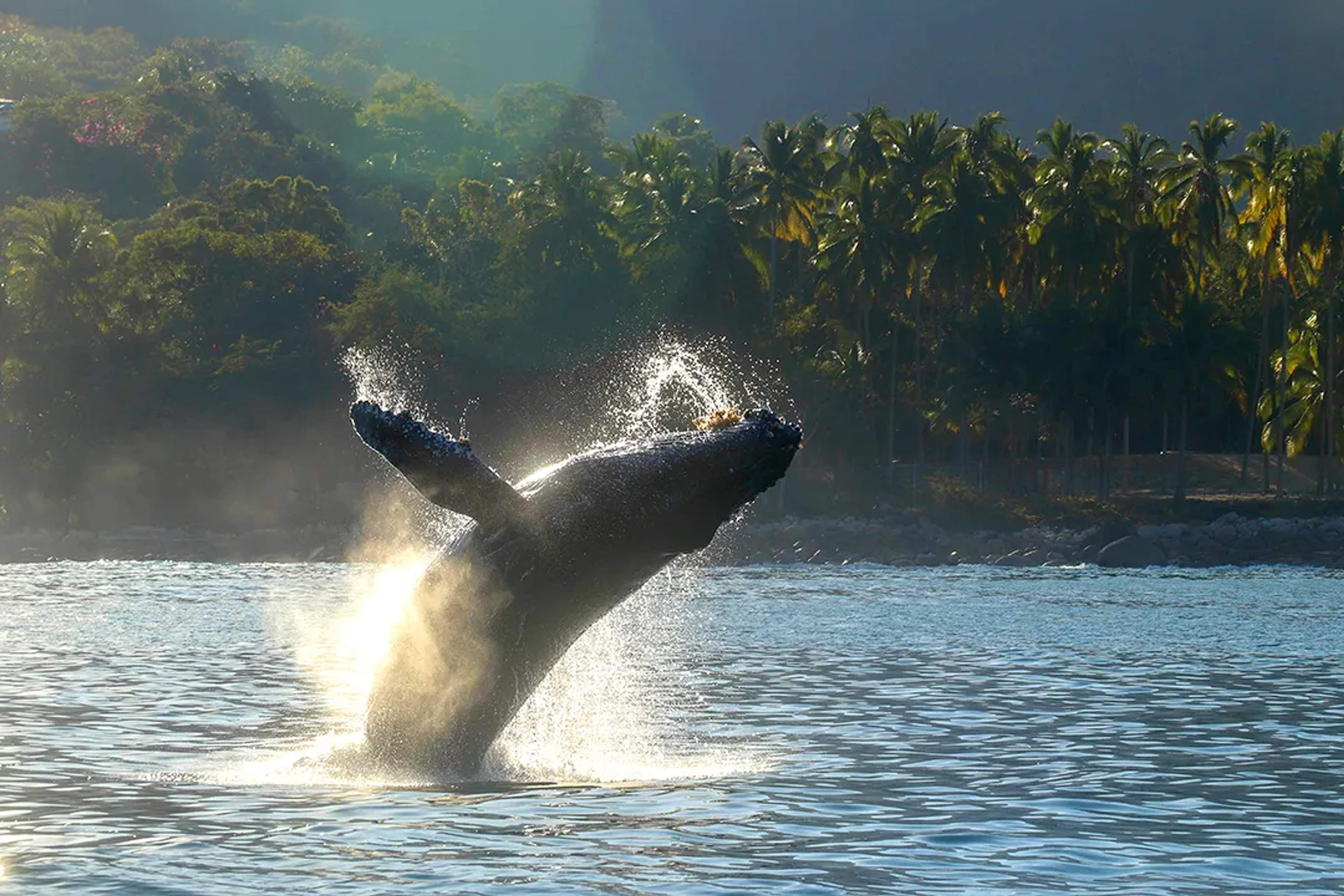
You can observe this seabird activity around whale sightings in real time, watching the feeding relationships between marine birds and cetaceans unfold. Between December 20 and March 1, these encounters are guaranteed—creating one of the few reliable windows in the Pacific to observe both humpback whales and the pelagic seabirds that follow their movements.
When to Go and What to Bring
Timing your visit shapes what you'll see more than any other single factor. December through March brings winter migrants alongside resident species, plus guaranteed humpback whale activity. March and April offer the only window for endemic Sinaloa Martins during their brief stopover, when they bathe at ponds during mid-morning and late afternoon for just a few weeks.
April and May deliver calm seas and fewer crowds while maintaining excellent conditions for year-round resident species. The Marietas Islands serve as a nesting site for blue-footed boobies year-round. The dry season delivers comfortable conditions for early morning outings when bird activity peaks.
Year-round tropical residents mean productive birding regardless of when you visit—choose your timing based on what specific species or experiences you want to prioritize.
Sun protection matters: choose clothing over chemicals. Lightweight, long-sleeved shirts and wide-brimmed hats provide the best sun protection without introducing chemicals that affect marine ecosystems.
Bring more than binoculars. Lightweight long-sleeved shirts protect from both sun and insects without overheating in tropical humidity. Pack a wide-brimmed hat with a chin strap—wind on boats will take anything loose. Moisture-wicking layers handle the sweat that comes with humid jungle walks.
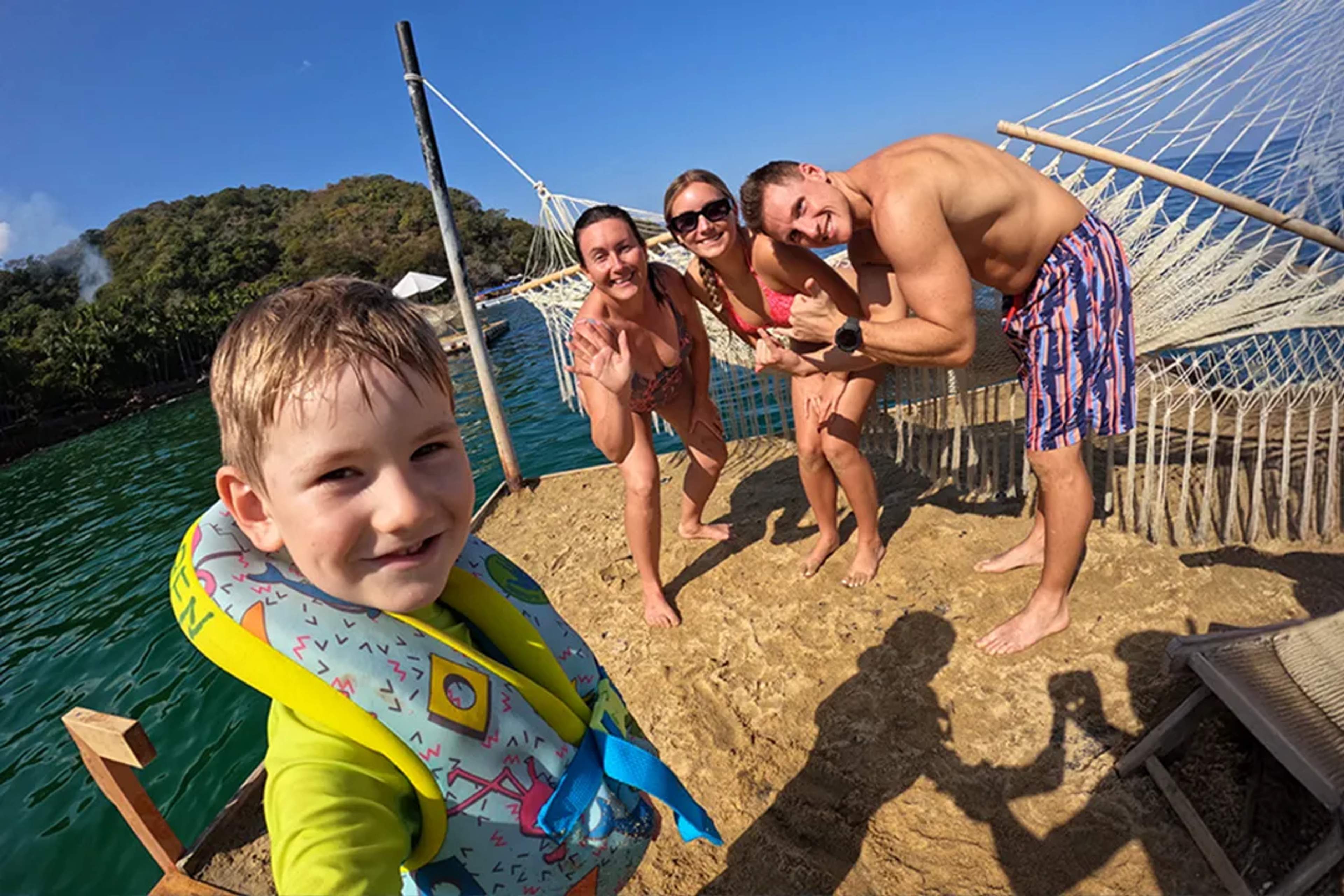
Dry bags and waterproof containers protect your optics and camera during boat transfers and unexpected spray, essential given the life jacket regulations requiring life jackets in water at all times.
For serious wildlife photography, bring both a telephoto lens and mid-range focal lengths—boats can approach seabirds to within mere meters, requiring flexible focal lengths for optimal composition. Note that drones are strictly prohibited at Marietas Islands National Park to prevent bird disturbance during breeding season.
The other essential is patience—something you can't pack but must bring anyway. Birding isn't a checklist race. The best sightings come when you're willing to wait, watch, and position yourself properly for observation.
Planning Your Banderas Bay Birding Adventure
Puerto Vallarta concentrates exceptional birding into accessible day trips: the UNESCO-protected Marietas Islands with their seabird colonies, unique jungle species at Las Caletas, and seasonal humpback whales from December through March create a concentrated birding experience rare in coastal Mexico.
Winter tours book fast. Plan ahead if you're targeting this premium window when the bay's biodiversity peaks.
Whether you're chasing the blue-footed booby as a life list target or just wanting wild mornings before returning to the pool, Banderas Bay delivers Puerto Vallarta tours that connect you with nature in ways that feel both accessible and authentic.