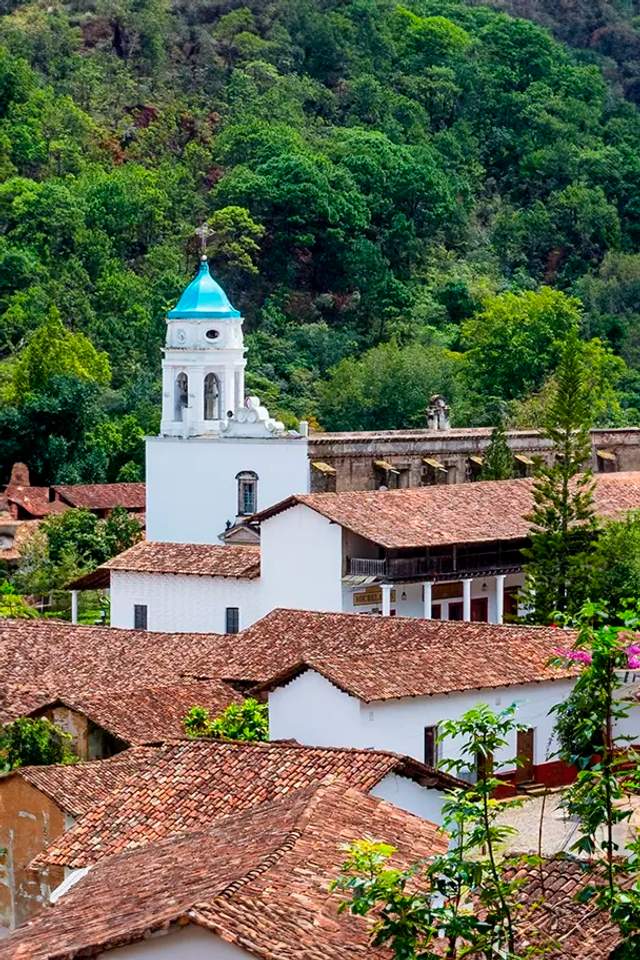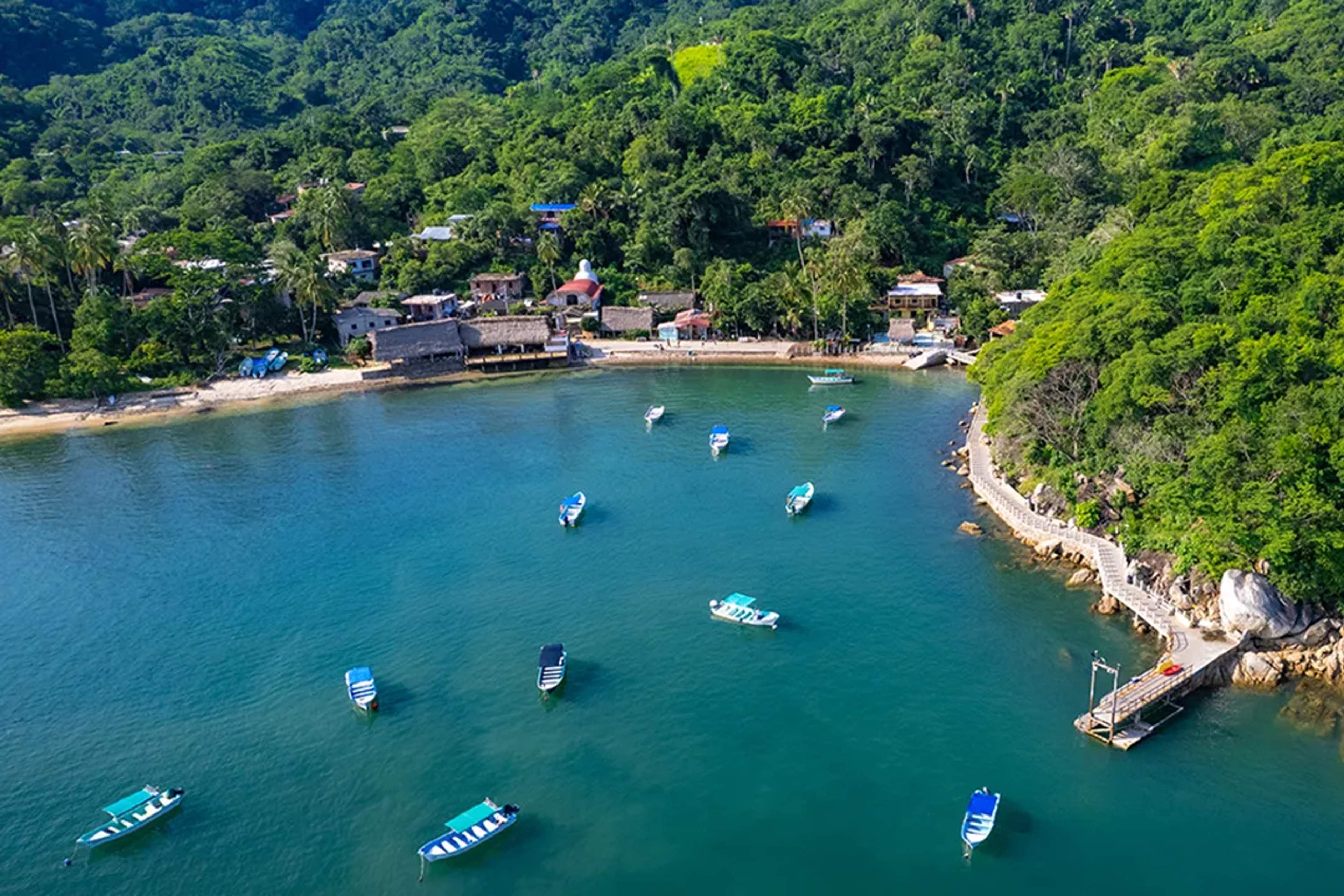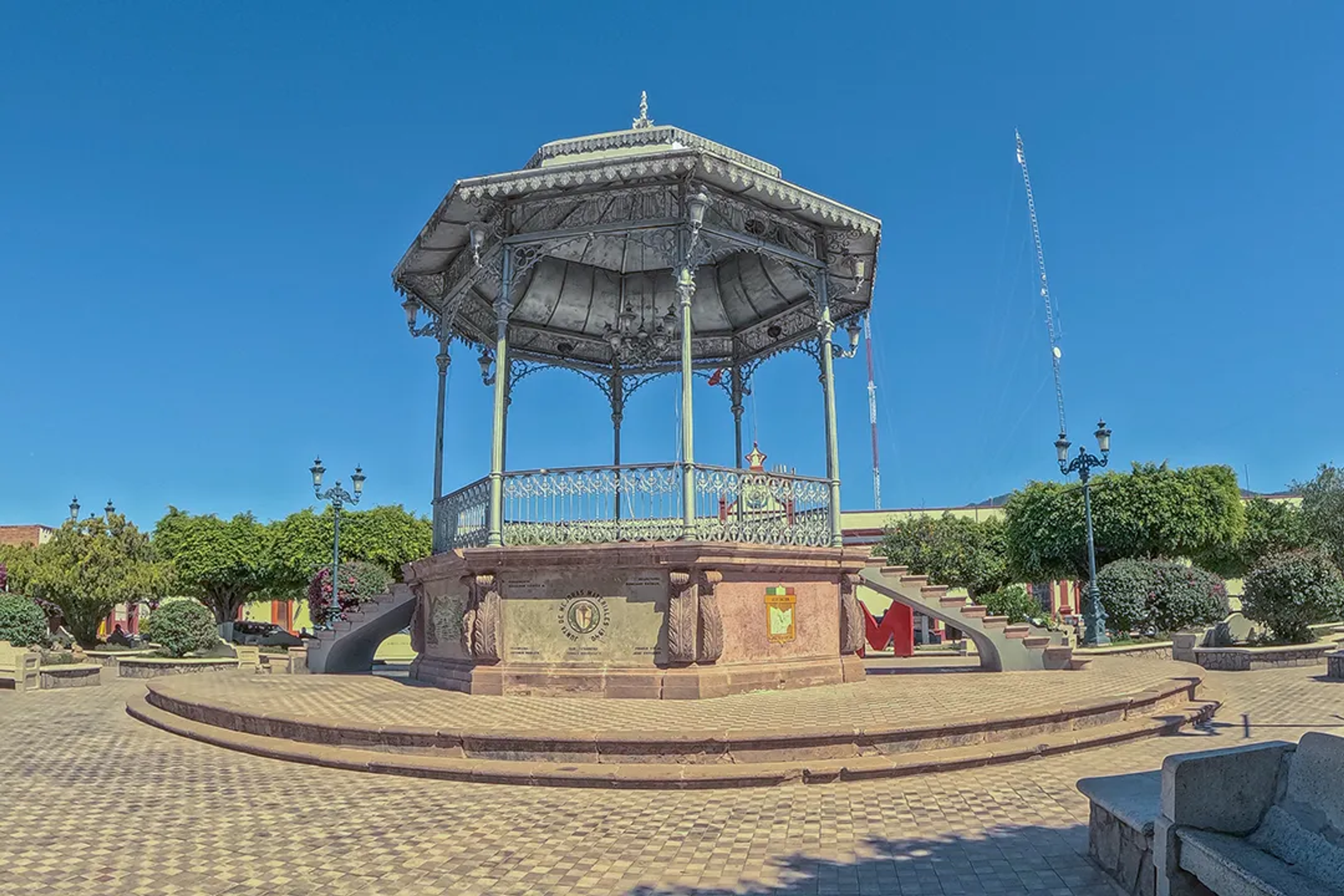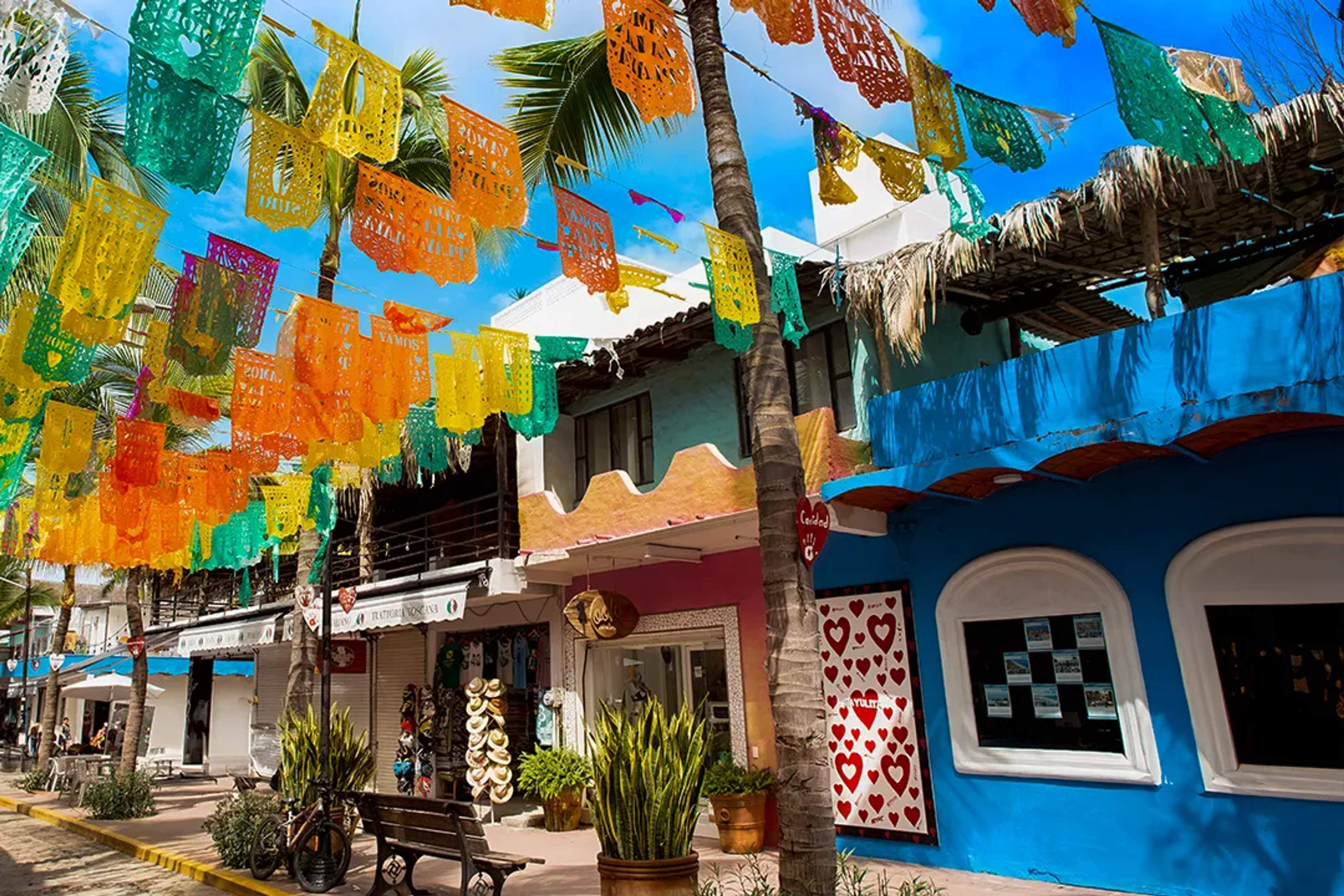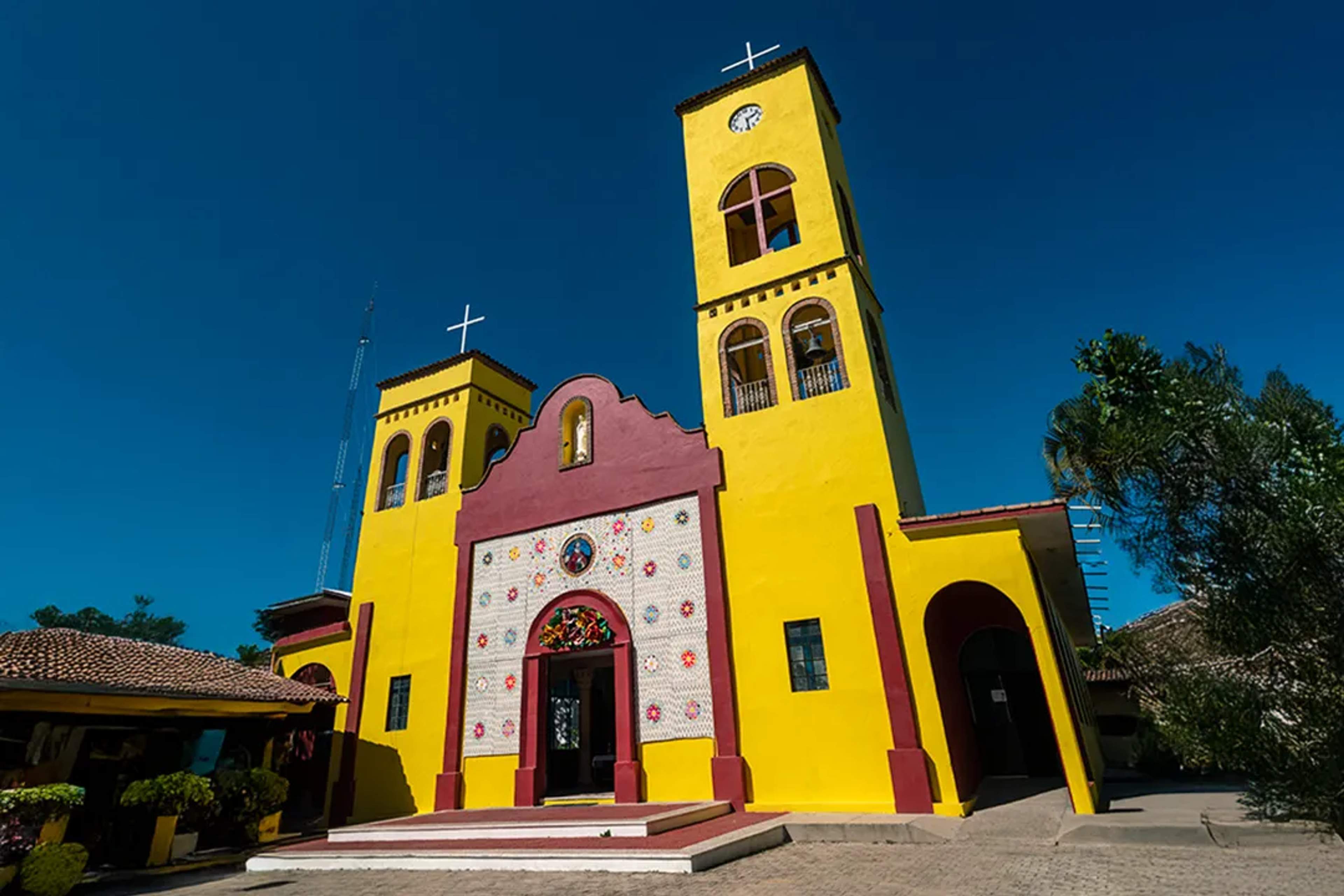
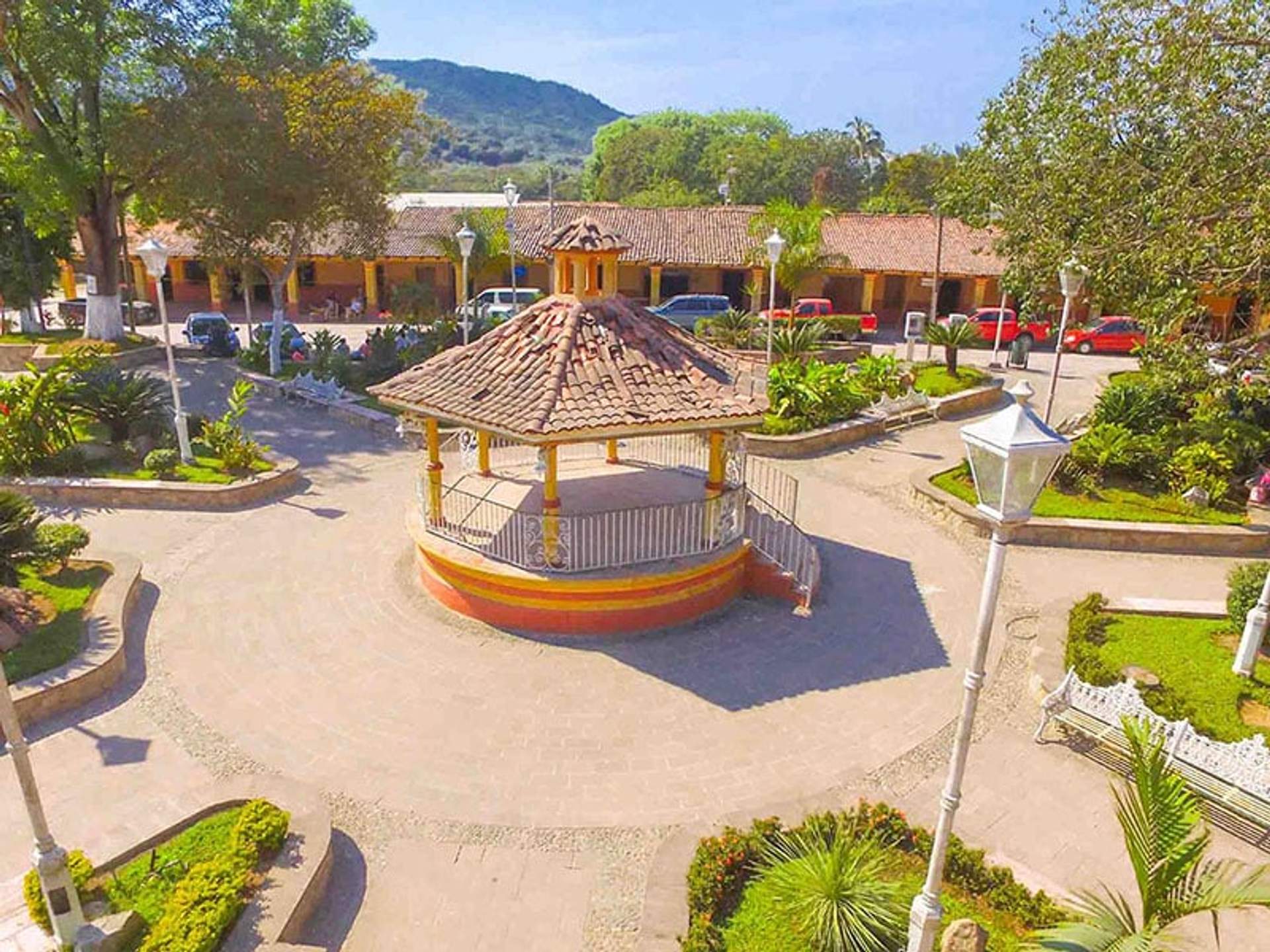
El Tuito is a small mountain town about 30 miles south of downtown Puerto Vallarta, tucked into Jalisco's hills where cobblestone streets, adobe buildings, and a palm-shaded plaza set the pace of daily life. Cattle, corn, and cheese production keep the local economy running, and tourism plays only a modest role, so the town still feels like a working community rather than a stop on a route.
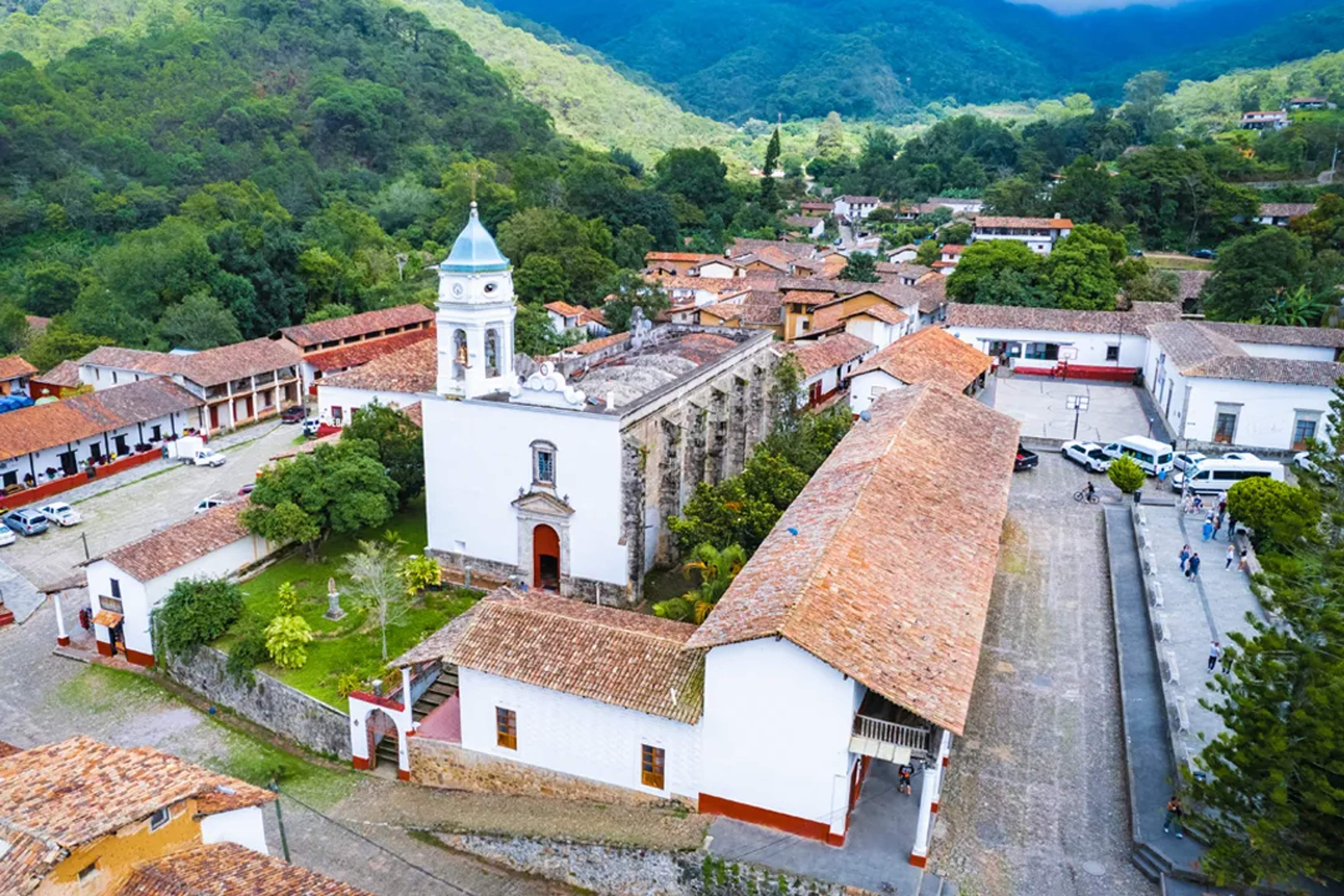
Here's what makes it stand out. At around 2,500 feet above sea level, the climate is fresher than on the coast, and although it can still get hot, it feels less humid too. The main plaza is anchored by the parish of St. Peter the Apostle, a church more than 200 years old with an altar built around a huge boulder. Below, we'll walk you through how to get there, what to do, and when to go.
A Short History of El Tuito
El Tuito is the municipal seat of Cabo Corrientes, though for most of its history it answered elsewhere. It was originally part of Tomatlán, then acquired by Mascota, and later part of Puerto Vallarta.
In 1944, the delegation became an independent municipality with El Tuito as its seat. More than 75 years later, residents still mark the anniversary each January with festivities at the parish, including an offering to the Virgin of Guadalupe.
How to Get to El Tuito
El Tuito sits roughly 30 miles south of central Puerto Vallarta along Highway 200, the scenic coastal road that continues past Mismaloya and Boca de Tomatlán before turning inland into the mountains. The drive takes about 45 to 60 minutes depending on traffic. We recommend picking one of three options.
Local Bus. The blue "El Tuito" bus leaves Zona Romántica from the corner of Basilio Badillo and Aguacate. Guests staying in the Hotel Zone take a taxi or rideshare to that corner first. Confirm the last return bus time with the driver, since roadworks have moved the stop and the bus doesn't always drop at the main square.
Taxi or Rideshare. Rideshare apps work well for the outbound trip from Puerto Vallarta. For the return, availability can drop off later in the day, so save a local taxi number or plan to leave before evening.
Rental Car. Driving south on Highway 200 gives you the flexibility to combine El Tuito with the bakery stop at El Columpio or the coastal beaches of Cabo Corrientes. Rain can trigger rockslides along the highway south, so check road conditions before you set out.
If you'd rather leave the logistics to us, our Puerto Vallarta colonial and walking tours cover the inland side of the region with transportation included.
Things to Do in El Tuito
Local Shops Around the Portal
The portal, half a block from the municipal plaza, is where the working town shows itself. Hardware shops sell machetes, saddles, and horseshoes, the basics that agriculture and livestock workers actually need. A small butcher shop next door sells pork rind, a local breakfast eaten plain or with green tomato sauce.
The main street has a tortilla factory, bakeries, and a cheese shop. Look for grey tortillas made from a local black corn strain you won't find in Puerto Vallarta. Panela, a fresh cheese, and jocoque, a fermented cow's-milk staple of local cooking, are the two to ask for at the cheese shop.
Mercadito El Tuito on Sundays
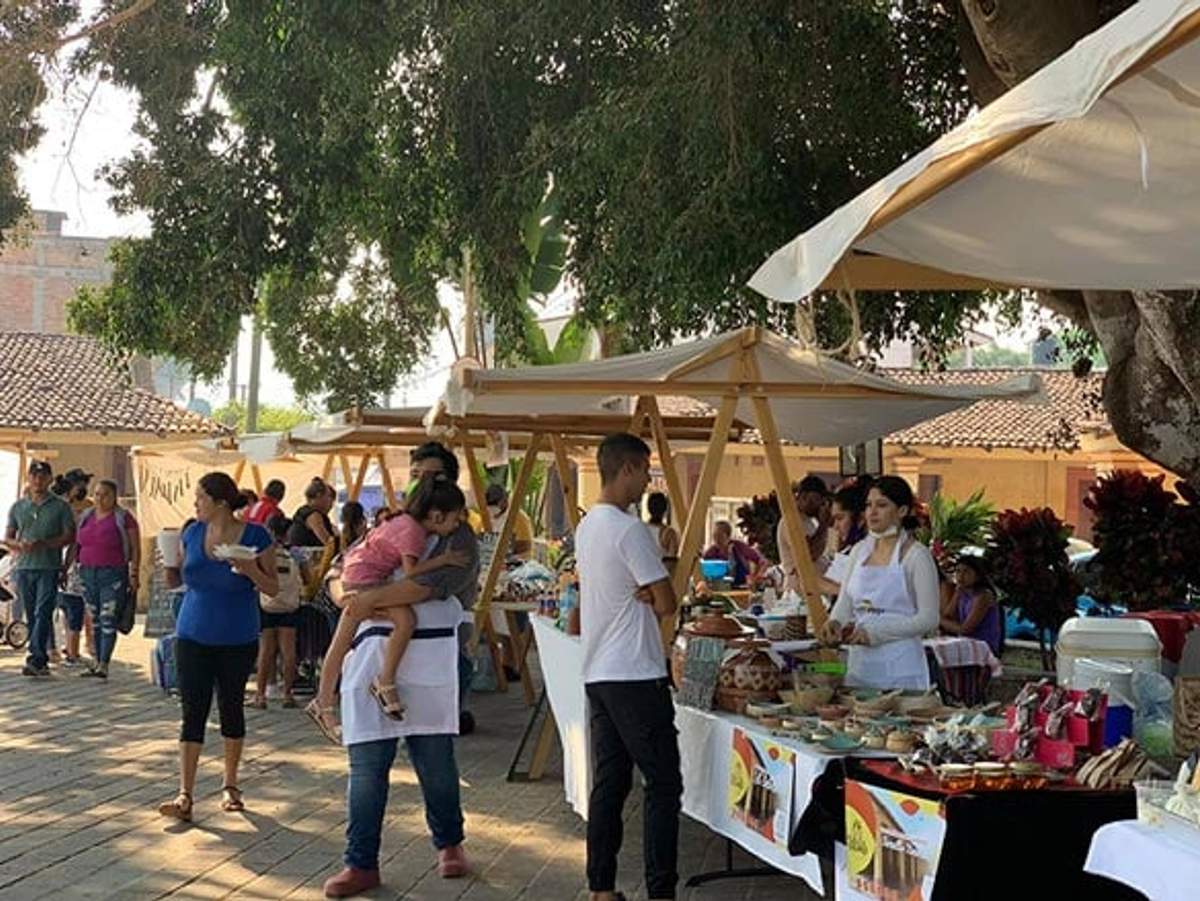
El Tuito town square hosts Mercadito El Tuito every Sunday from 9 AM to 2 PM. Producers sell produce, honey, raicilla, artisanal cheeses, seasonal bread, and pastries. Further on, stalls sell embroidery and jewelry alongside clay and copper crafts.
Food stands make quesadillas, sopes, and tacos de guisado. Regional dances and art workshops for all ages often fill out the program, so check the Facebook profile for that week's lineup. On other days the shops are open and the plaza is quieter.
Dining at El Patio de Mario
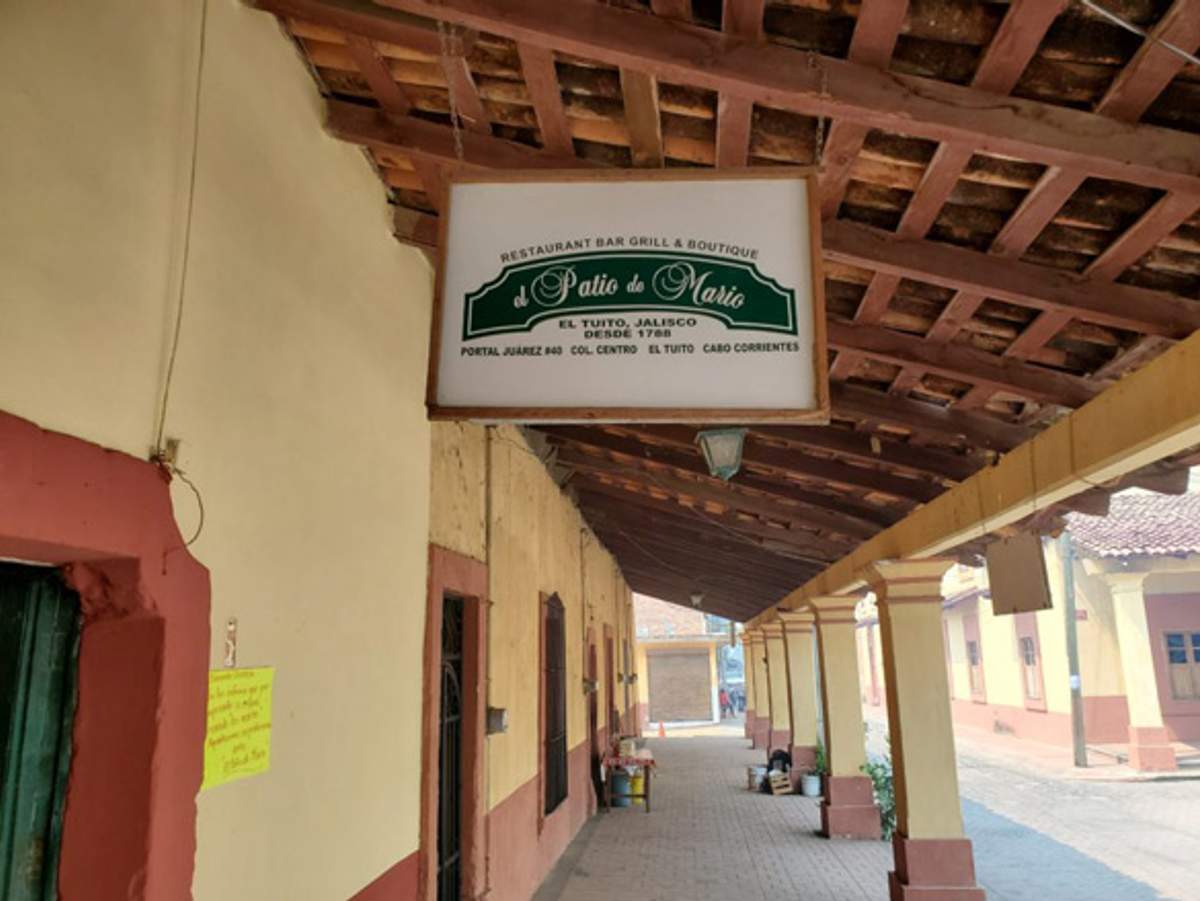
Beside the main plaza, El Patio de Mario serves regional cooking in the plant-filled courtyard of a building the family traces to 1788. Mario Rodriguez Romero runs it with his wife Anabel and their son Mario Junior, and he often greets tables with the house raicilla bottle.
Start with the El Tuito panela and jocoque with handmade tortillas, then move to birria, mole, or pipián alongside a margarita. Posted hours vary, and the kitchen may be closed on Thursdays, so plan lunch rather than a late afternoon. Bring pesos, since the restaurant takes cash only.
Coastal Raicilla, the Local Agave Spirit
Raicilla is a potent local liquor akin to a tequila version of moonshine, and the agave spirit of this coast tastes different from the sierra raicilla made inland. The coastal style is distilled in wood-and-copper Filipino-type stills around Cabo Corrientes.
Mario sells bottles at El Patio, and producers bring more to the Sunday market. If you want to taste before you buy, ask for a small pour at the mercadito stalls first.
The Parish of St. Peter the Apostle
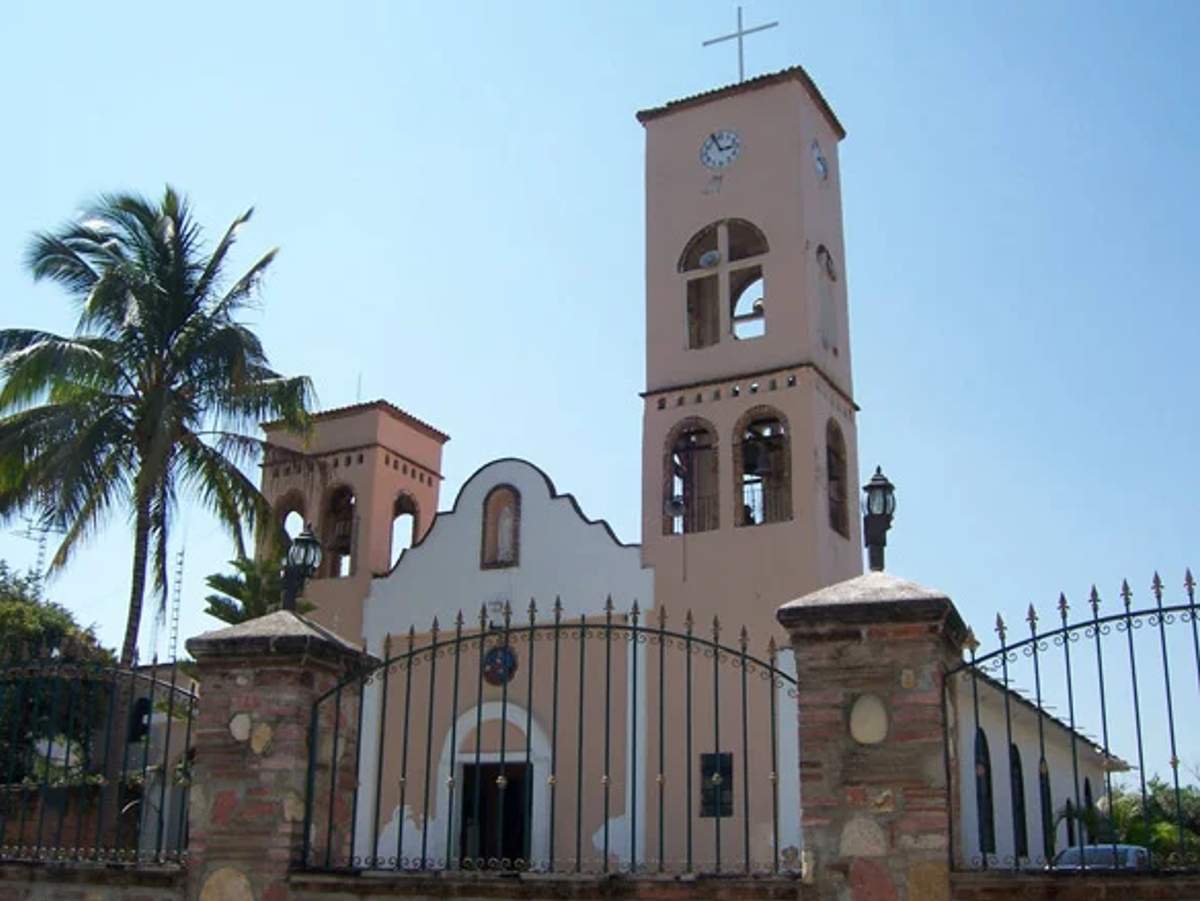
The church of St. Peter the Apostle is more than 200 years old and was built around a huge boulder that now forms the altar inside. The parish is dedicated to San Pedro, and events organize much of the town's annual calendar.
The January fiestas run from January 6th to 12th and honor the Virgen de Guadalupe. Pilgrims arrive from villages across the municipality, a football tournament and dances fill the week, and food stalls line the church portals, with fireworks and fairground rides.
September brings the town's other big week, with a Día del Charro cabalgata and jaripeo, followed by the Grito and a civic parade. Later in the year, families gather at the cemetery on the outskirts of town for Día de Muertos to share food beside the graves of their loved ones.
Fresh Baked Bread in El Columpio
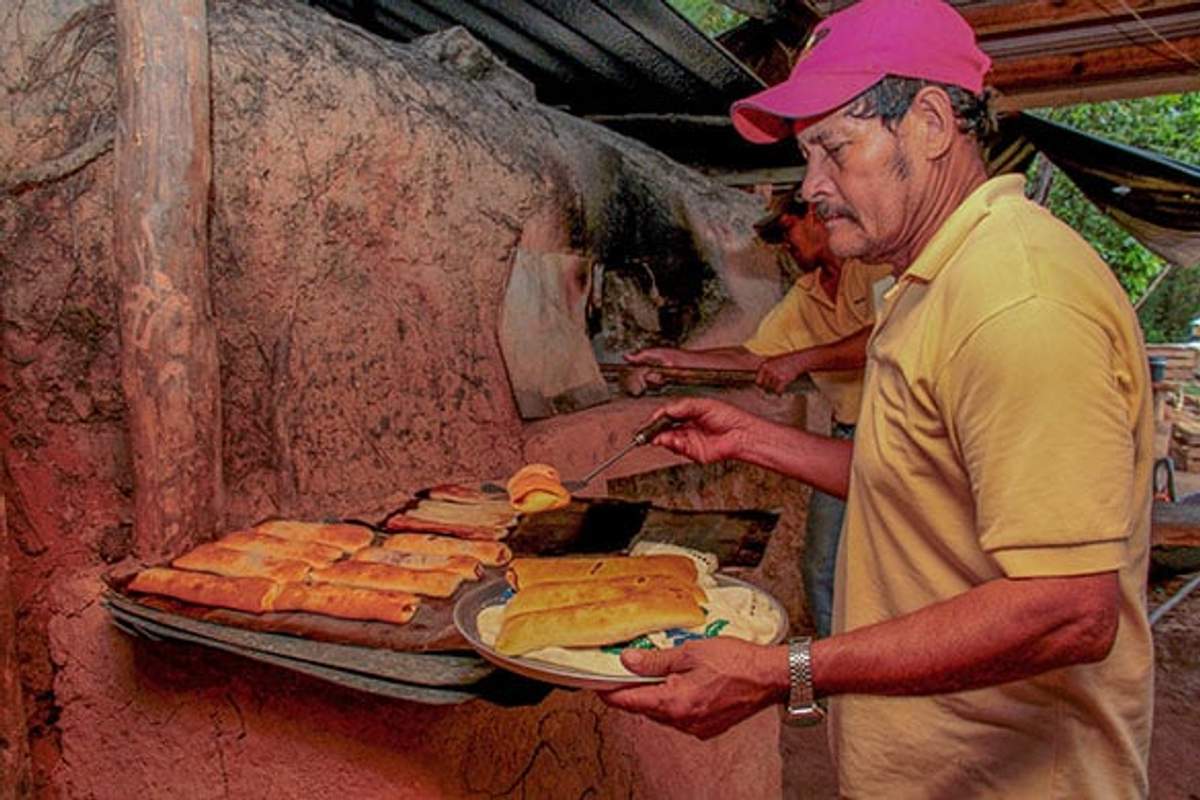
About 15 minutes from central El Tuito, the community of El Columpio has a family bakery, Panadería Los Pinitos, right on the highway. The week's baking rotates among seven brothers, one for each day, and the trade is passing to their sons and nephews, who work the same wood-fired clay ovens.
Customers most often request the cream cheese bread, followed by coconut and sweet potato, and the bakery also makes empanadas. It opens seven days a week from early morning to evening. Stop on the way in while the bread is still warm and the day's batches haven't sold out.
Best Time to Visit to Make the Most of Your Day in El Tuito
Puerto Vallarta is worth visiting any time of year, and each season brings something different to El Tuito. The dry season, from November through May, is the classic window. Days run warm and clear, evenings are cool at valley elevation, and morning drives up the highway are usually easy.
The rainy season, from June through October, has its own appeal. Mornings are usually clear before clouds build over the hills, so you can spend the plaza-and-lunch part of the day in bright weather and be back on the road before the afternoon showers. Just keep an eye on the highway forecast, since heavy rain can loosen rocks along the route south.
Two dates worth planning around. The January fiestas run from January 6th to 12th, when pilgrimages, food stalls, and fireworks fill the town. September brings the Día del Charro cabalgata, the Grito, and a civic parade. Sundays are the busiest day year-round thanks to the mercadito, so pick the vibe that fits your trip.
Smart Traveler Tips and Preparations for El Tuito
A few practical things will make your day in El Tuito smoother.
- Bring pesos in cash. ATM access in El Tuito is unreliable; El Patio de Mario is cash only, and market stalls generally expect cash too. We recommend withdrawing in Puerto Vallarta before you leave, and asking for small bills.
- Pack sun-protective clothing. A hat, UV shirt, and sunglasses will serve you well in the highland sun, which stays strong at midday even when the air feels cool.
- Layer for the evening. Afternoons run cooler than Puerto Vallarta, and evenings can feel cool once the sun drops behind the hills.
- Check road conditions. Rain can trigger rockslides along the highway south, so read the forecast before you set out during the rainy months.
- Plan your return before you go. Confirm the last bus time with the driver, and check the rideshare app before you rely on it for the trip back.
- Arrive in the morning. Sunday stalls pack up early in the afternoon, and shops keep steadier morning hours during the week.
- Time your bakery stop. Panadería Los Pinitos sells its most popular loaves down through the day, so stop on the way in while the ovens are still warm.
We find that a little preparation goes a long way toward turning a good day trip into a great one.
Vallarta Adventures' Picks Beyond El Tuito
San Sebastian del Oeste Day Trip
San Sebastian del Oeste is a colonial silver mining town tucked into the Sierra Madre, and our day trip covers the drive so you can focus on the town itself. The day walks you through cobblestone streets and white adobe houses with tile roofs, and includes the colonial church on the plaza. It pairs well with an El Tuito trip for travelers building an inland Jalisco itinerary.
Pueblos Culinary Tour
Our Pueblos Culinary Tour works through countryside villages outside Puerto Vallarta, with stops to meet small food producers and a shared lunch to close the day. Expect artisanal cheeses, raicilla tastings, and home-style Jalisco cooking, the kind of experience a friend who lives here would plan for you. It's a natural extension of what makes El Tuito worth the drive.
Why El Tuito Belongs on Your Puerto Vallarta Itinerary
Cobblestone streets ring a palm-shaded plaza, the smell of fresh tortillas drifts from a doorway, and the bells of St. Peter the Apostle mark the hour. El Tuito holds a rare spot in the day-trip lineup around Puerto Vallarta.
It has real character, from a parish more than 200 years old to a Sunday market that draws producers from across the municipality, and a family restaurant in a building traced to 1788. And it hasn't been reshaped for tourism, which is exactly why the drive up from the coast is worth making.
If El Tuito sparks your interest in what the inland side of Jalisco has to offer, we have plenty of ways to help you keep exploring. Check out our Puerto Vallarta walking tours and find the ones that match the kind of trip you're building.