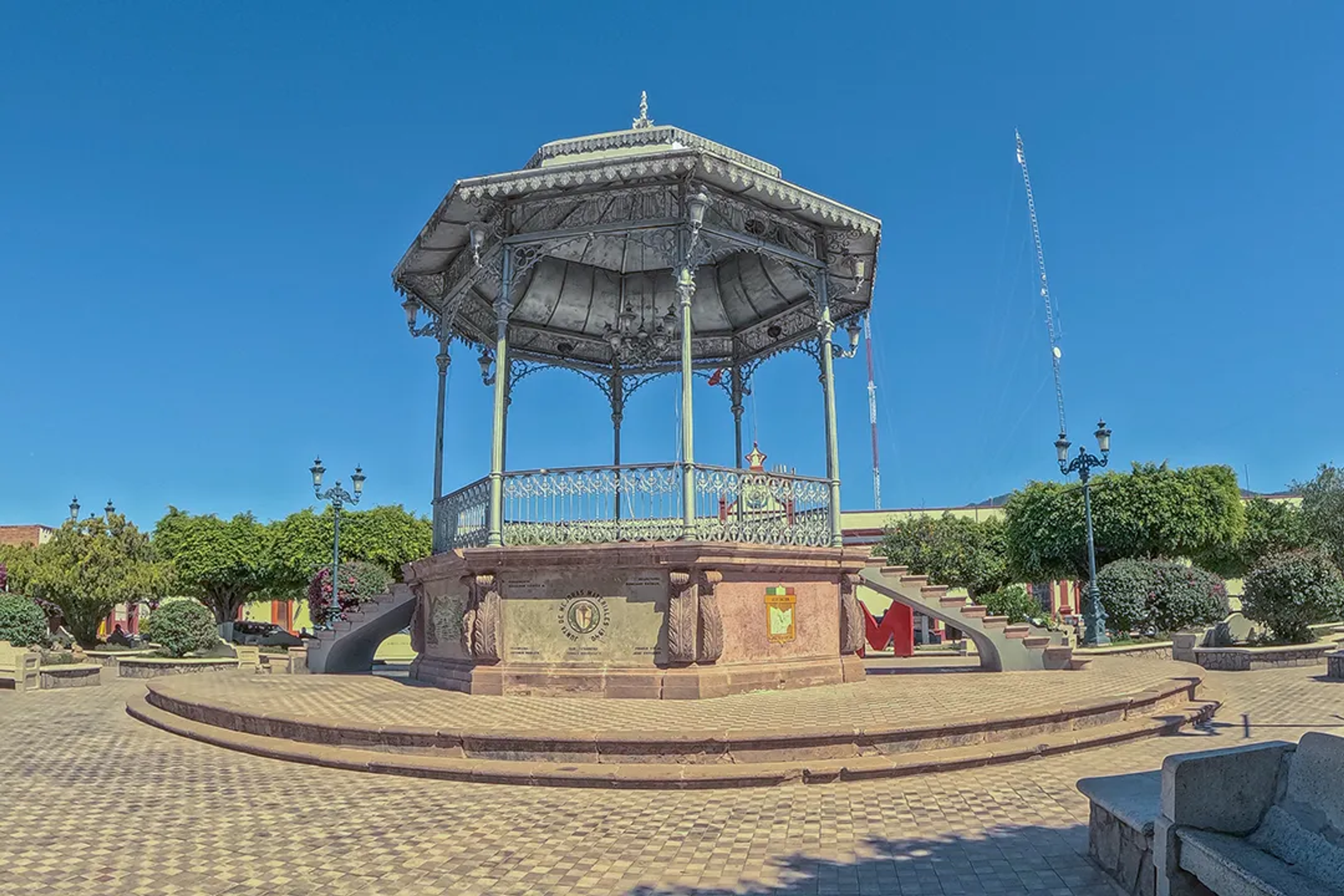
Some places in Mexico ask you to slow down before they share what they are. Mascota is one of them. Tucked into the Sierra Madre a few hours from the coast, this Pueblo Mágico rewards travelers who trade beach umbrellas for pine forests and cobblestones for an afternoon.
If you are ready to see a side of Jalisco most visitors never reach, pack a light jacket and read on. Your local guide is waiting.
Why Visit Mascota
Mountain switchbacks separate your resort from a different Mexico. Mascota, Jalisco is a Pueblo Mágico in the Sierra Madre where pine and oak forest replaces palm trees. The Pueblos Mágicos program is a federal designation given to towns that have preserved their heritage, architecture, and cultural traditions, and Mascota earned the title in 2015.
This quiet mountain town offers a view of the Jalisco that existed long before the beach hotels. Cobblestone streets run between old casonas with tile roofs, and mornings here smell like wood-fired bread. The air is cooler and drier than the coast, so days start crisp and evenings cool down enough for a sweater.
Daily life follows its own rhythm, and lunch takes as long as you let it. Mascota sits between other Pueblos Mágicos in the same sierra, and it is the one we send people to first.
Mascota’s Cultural History
The town’s earlier name was Amatzacatlan - Matsocotla, “place of deers and snakes.” Local guide Juan Carlos Gil begins Mascota’s story there. Mascota is also called La Esmeralda de la Sierra, the emerald of the mountains, and is close to Puerto Vallarta.
The original inhabitants were the indigenous Tecos, and Mascota was a cacicazgo whose jurisdiction reached Talpa, El Tuito and Chacala. In 1525, Hernán Cortés sent his nephew, captain Francisco Cortés de San Buenaventura, north from Colima to conquer the provinces beyond. The region took the name Valle de Banderas during the conquest.
Mascota is also on the Ruta de la Raicilla. The agave spirit distilled around here comes from Maximiliana agave that grows in these hills, and it carries a Designation of Origin in Jalisco. Tabernas work it in small batches, and bottles turn up on the shelves of the local agricultural school's shops.
Getting to Mascota from the Coast
By car, the state highway climbs from sea level past agave fields and into pine-oak forest. The road narrows and winds in the mountains, so we allow extra time for stops and changing conditions.
Road conditions can change during the rainy season, particularly around mountain work zones, so check locally before leaving. The rebuilt bridge at La Desembocada restores the highway connection from the coast to the sierra.
During the rainy season, mountain storms can bring heavy rain and wind, along with electrical activity. Take the mountain stretch in the morning and plan the return in daylight.
By bus, Autotransportes Guadalajara Talpa Mascota, known locally as ATM, runs scheduled service from its terminal in Colonia Versalles. Confirm the current departure and return times directly with the operator before making a day trip.
The bus works if you plan to stay in Mascota town itself. A car is what gets you out to Yerbabuena and Navidad, and it also lets you reach Laguna de Juanacatlán.
Tour CBTA 31 Agricultural High School
CBTA 31 is Mascota's agricultural high school, and its work reaches town through what it sells. Its livestock and agriculture programs train students on working farmland. The training covers animal management and processing what the land produces. It also runs programs in protected agriculture and food production, and in the school workshops a carpentry class builds picnic tables alongside its instructor.
The part open to everyone is the school's cooperative stores in town. Shelves hold school-made cheeses, coffee, raicilla, honey, preserves, and regional sweets.
Visit The Precious Blood of Christ Church
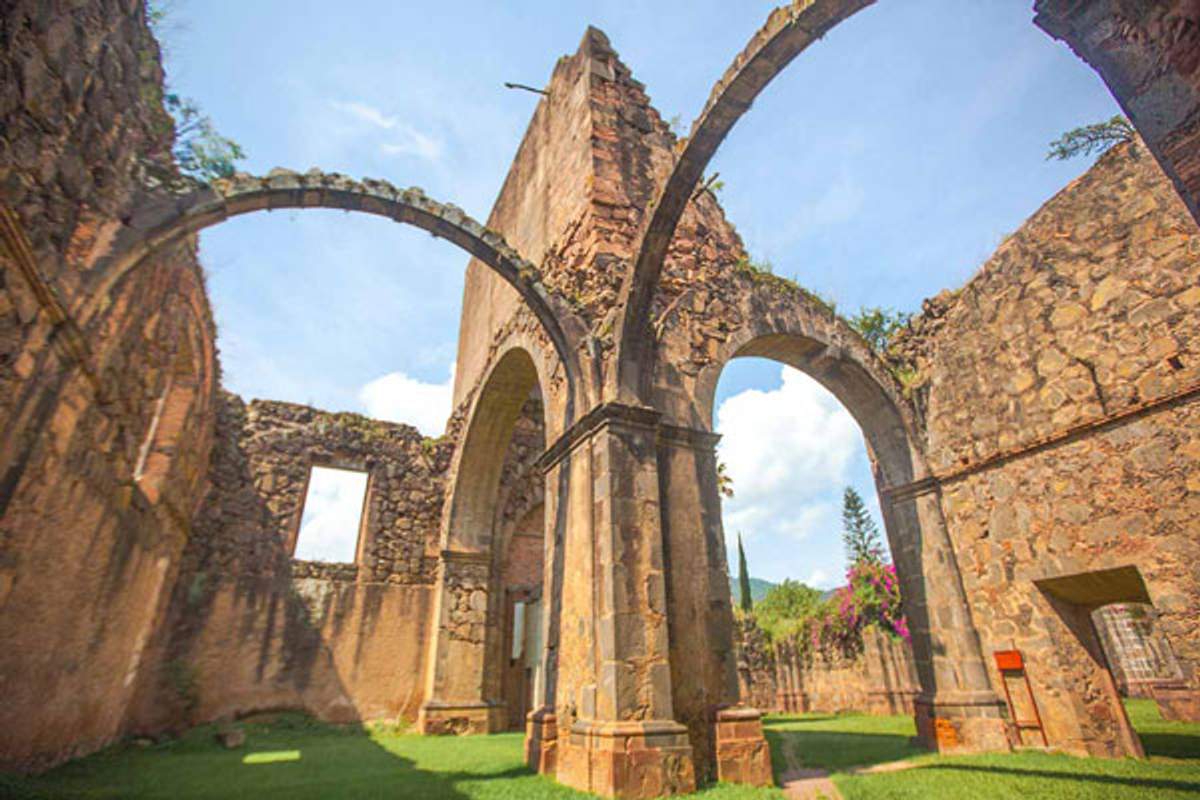
The Precious Blood of Christ Church, known locally as the Templo Inconcluso, is a landmark in Mascota. Work on the main structure began in the 19th century and stopped during the Revolution and the Cristero War. Quarrystone walls, slender columns, and monumental arches remain open to the sky.
A side chapel is on the right wing, dedicated to the Preciosa Sangre de Cristo and inaugurated on July 1st, 1905. Its altar shows a sculpture of an angel catching Christ's blood in a chalice.
Today gardens fill the ruins. Every July 1, the grounds host an anniversary festival with mariachis and a traditional kermesse serving regional delicacies made by town residents, alongside other concerts and cultural events.
Walk Through the Main Streets of Mascota
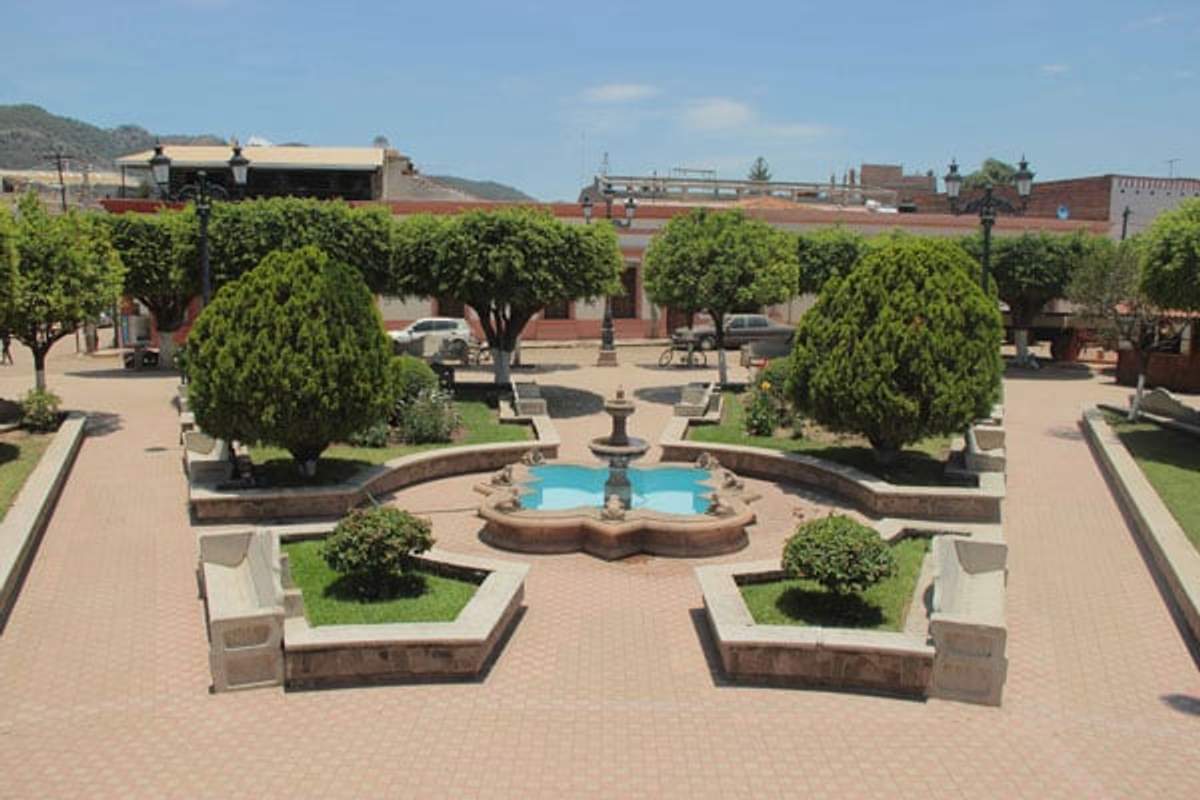
Old adobe houses with tile roofs line the cobblestones, and the town's character lives in small details, the wood of an antique door, the color of a façade. The center is compact, so wander without a map.
Mascota's other daily craft is community baking with milk and cream from CBTA 31. Bakeries here make bread and cookies by hand in wood-fired ovens, and they also make traditional ahualulco. At the counter, ask for pan de nata or pan sardina. Galletas de media luna are another option.
Café Nápoles, on Hidalgo in the center, sells pan de nata, cookies, and jams to take home. Vendors around town sell guayabas rellenas and rollo de guayaba, both guava sweets.
Take in the Beauty of “La Dolorosa”
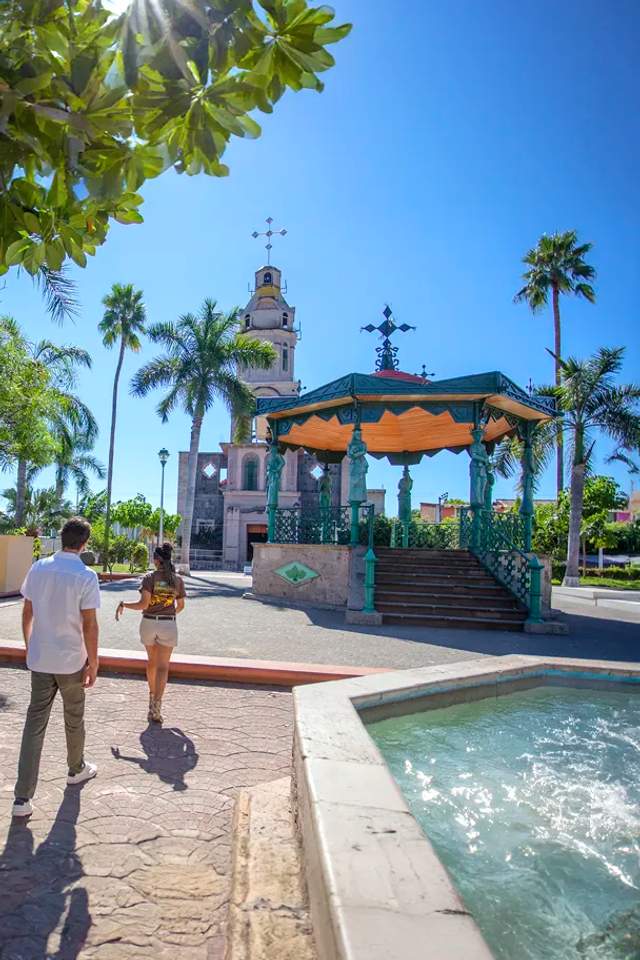
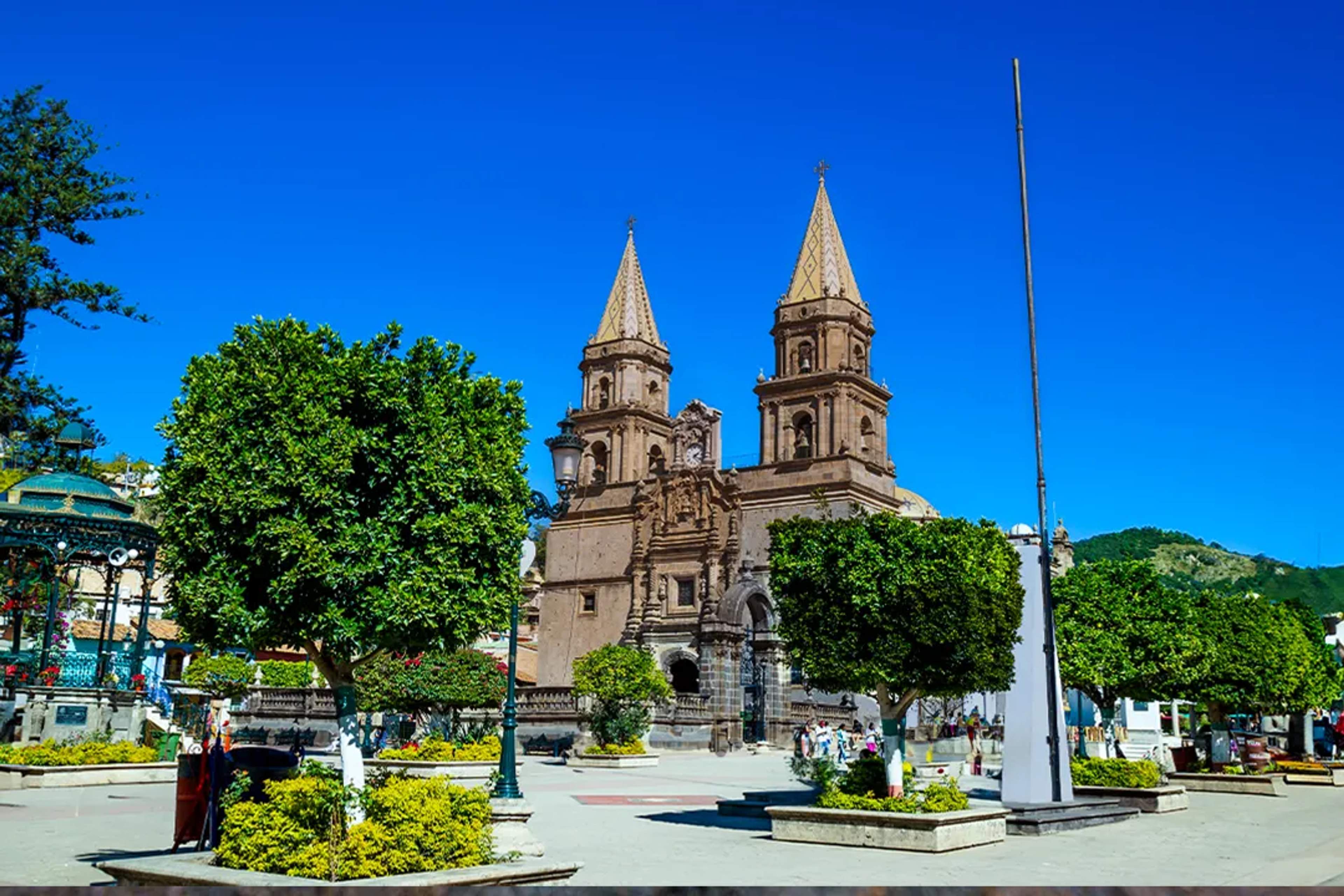
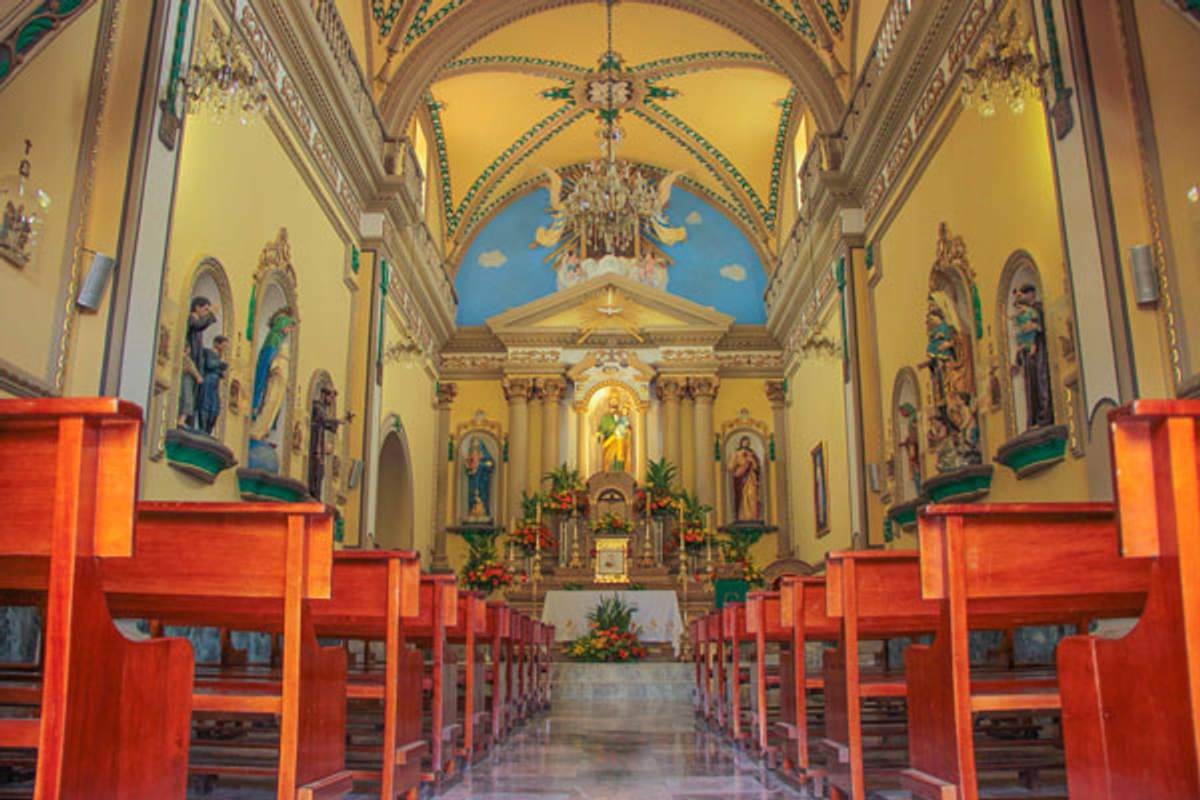
La Dolorosa, the Parroquia de la Virgen de los Dolores, faces the plaza and is dedicated to the Virgin Mary. The baroque temple carries groin vaults and neoclassical altarpieces in Mascota, Jalisco.
Inside hangs an image of the Virgen de Guadalupe. Before the feast, outlying communities walk into town with flowers and offerings for the parish, tambora music in the streets behind them.
The annual parish celebration takes place on September 15 and merges with Fiestas Patrias. Pilgrimages fill the streets, and mariachi and fireworks accompany them.
Explore Beyond Mascota Town
For another day, head out to Yerbabuena and Navidad, or drive to Laguna de Juanacatlán for the lake and the countryside surrounding it. These outlying communities show the farming side of the sierra and pair well with an overnight in Mascota.
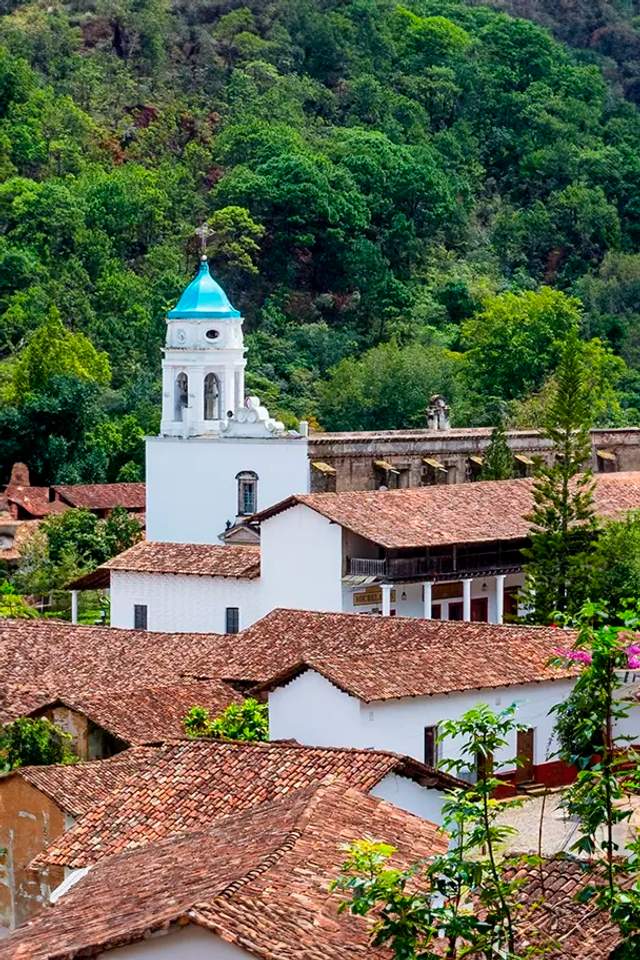
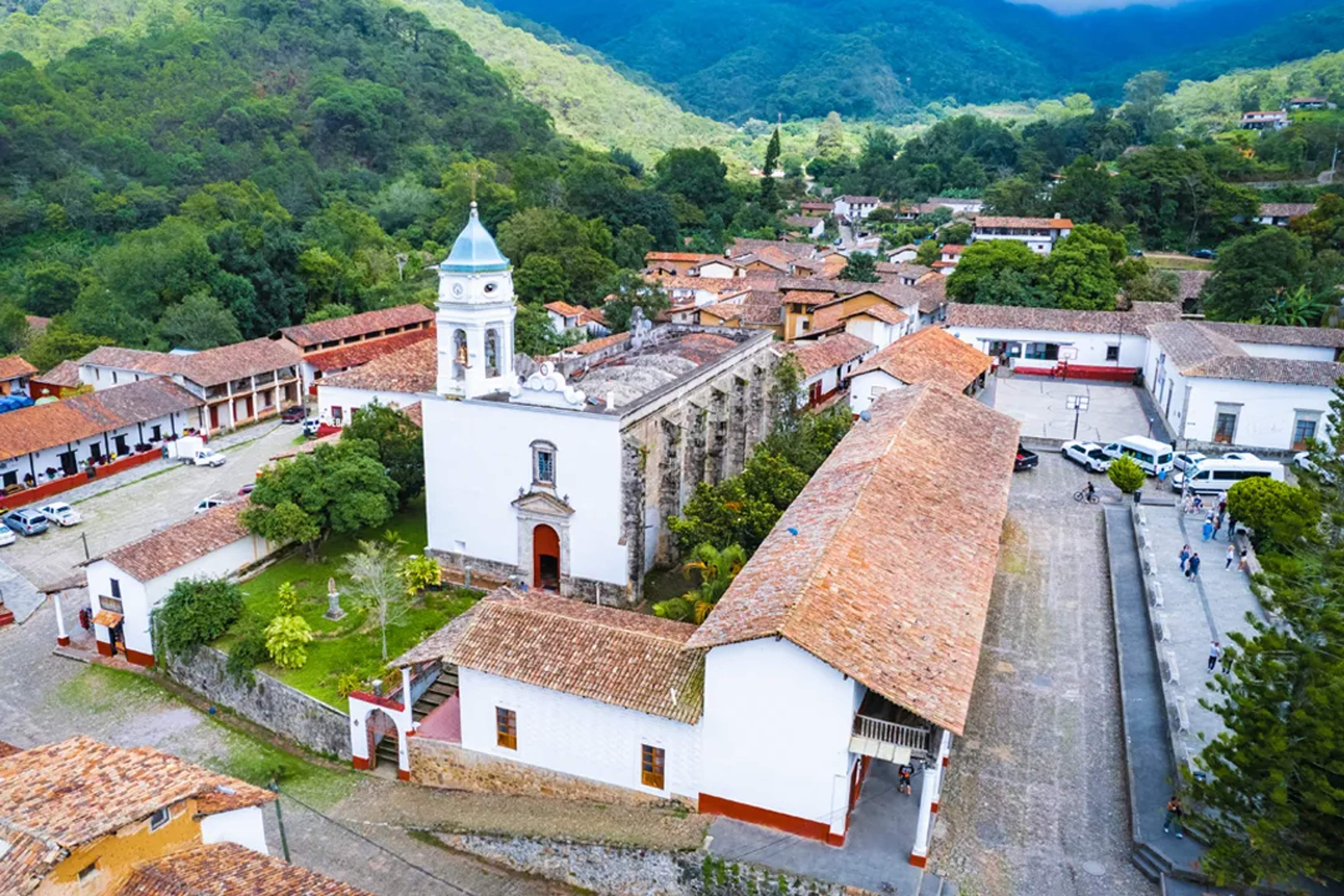
For colonial streets, the classic pairing is San Sebastian del Oeste, a silver-mining town near the coast. Reaching it from Mascota requires backtracking, so it works better as a separate outing. It is quieter than Mascota, white adobe walls and a blue-domed church at the center.
More Colonial Escapes on Your Next Adventure
If the mountains and cobblestones have you curious about more of inland Jalisco, a couple of guided days pair well with this kind of trip.
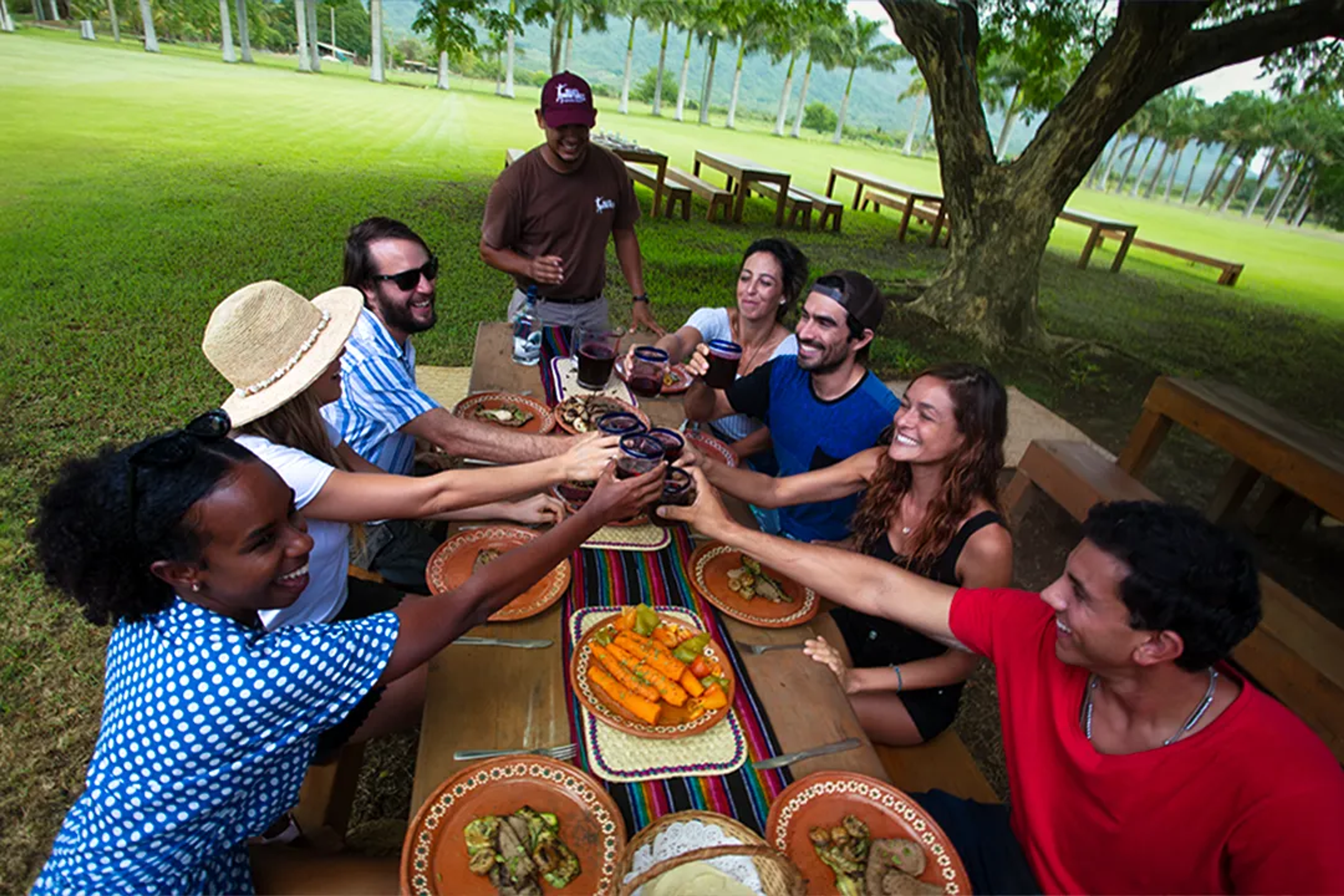
Pueblos Culinary Tour: Travel through the fertile valleys of the Sierra Madre foothills, watch tortilla-making at a traditional tortilleria, and stop in the town of Valle de Banderas. The day ends beside a lagoon with a cooking session led by a local chef and a family-style lunch.
San Sebastian del Oeste: This day trip visits the Pueblo Mágico with a guided walk past the white adobe buildings and the blue-domed church, a family-owned silversmith workshop, coffee tasting at a traditional organic farm, an artisanal tequila tasting with a visit to the agave fields, and a traditional three-course Mexican lunch.
No matter which direction you head, start early and take the switchbacks in daylight. Our Vallarta Adventures guides come from these towns and like sharing them.
Frequently Asked Questions
Is it safe to drive from Puerto Vallarta to Mascota?
Plan intercity travel in daylight, stay on the main road, and use dispatched taxis or app-based ride services once you arrive. Check current security operations updates before any trip.
If you would rather not take the switchbacks yourself, the ATM bus covers the same route.
How many days should I spend in Mascota?
A day trip works if you start early. Leaving the coast in the morning gives you time to walk the historic center on cobblestones that ask for closed, comfortable shoes, see the temple ruins, browse a bakery and the school stores, and eat lunch slowly before returning in daylight.
Evenings are the town's quietest hours, and an overnight frees the next morning for the countryside outside town before you head back down.
What is the weather like in Mascota compared to the coast?
Mascota is high in the Sierra Madre, so days are warm rather than hot and the air is much drier than on the coast. Nights ask for a light jacket rather than beach clothes. Winter nights can feel cold by beach standards, closer to sweater-and-jacket weather than anything you packed for the bay.
Pack layers in any season, and bring rain gear during the rainy season.
Should I bring cash to Mascota?
Yes, and more pesos than you think you will spend. Small counters, street vendors, and local shops may be easier to use with cash, so keep small bills separate from the rest.
Withdraw what you need on the coast before you leave rather than counting on finding a machine in the center.