Puerto Vallarta doesn't have Maya or Aztec pyramids, and that surprises a lot of culture-loving travelers who arrive expecting them. The Maya built their cities on the opposite side of the country, and the Aztecs never reached this coast.
What you'll find here is different, and in many ways more surprising. Western Mexico developed its own ancient traditions, with circular pyramids, underground tombs found nowhere else on Earth, jungle petroglyphs, and living Indigenous cultures whose art and beliefs still shape the region today.
If you came to Puerto Vallarta for more than beaches, this coast rewards curiosity. Here's where to go, what to see, and why it matters.
Why There Are No Maya or Aztec Pyramids Here
The Maya lived in the lands that are now Yucatán, Quintana Roo, Campeche, Tabasco, and Chiapas, on the opposite side of Mexico. Maya pyramids are found on that side of the country, far from western Mexico.
The Aztecs never made it here either. Their westward expansion was blocked by the Purépecha Empire of Michoacán, which the BBC describes as the empire the Aztecs couldn't conquer.
Along Banderas Bay, the shaft tomb cultures and the Aztatlán tradition came before later Wixárika (Huichol) communities. Their records include petroglyphs, underground tombs found nowhere else on Earth, ceramics, beadwork, and yarn art that is still made today.
Ruins and Ancient Sites Worth the Trip
Climb the Circular Pyramids of Guachimontones
About a 10-hour round trip from Puerto Vallarta, Guachimontones sits near Teuchitlán in the Jalisco highlands. INAH calls it "one of the most important sites in the west of Mesoamerica", with a history beginning around 1,000 BCE.
The Teuchitlán culture built the only monumental architecture in the world based on concentric circles. Round stepped pyramids rise from circular plazas, once topped by a pole where a "bird man" performed for the wind god Ehecatl. The site belongs to the UNESCO-listed Agave Landscape of Tequila, and opens Thursday to Sunday.
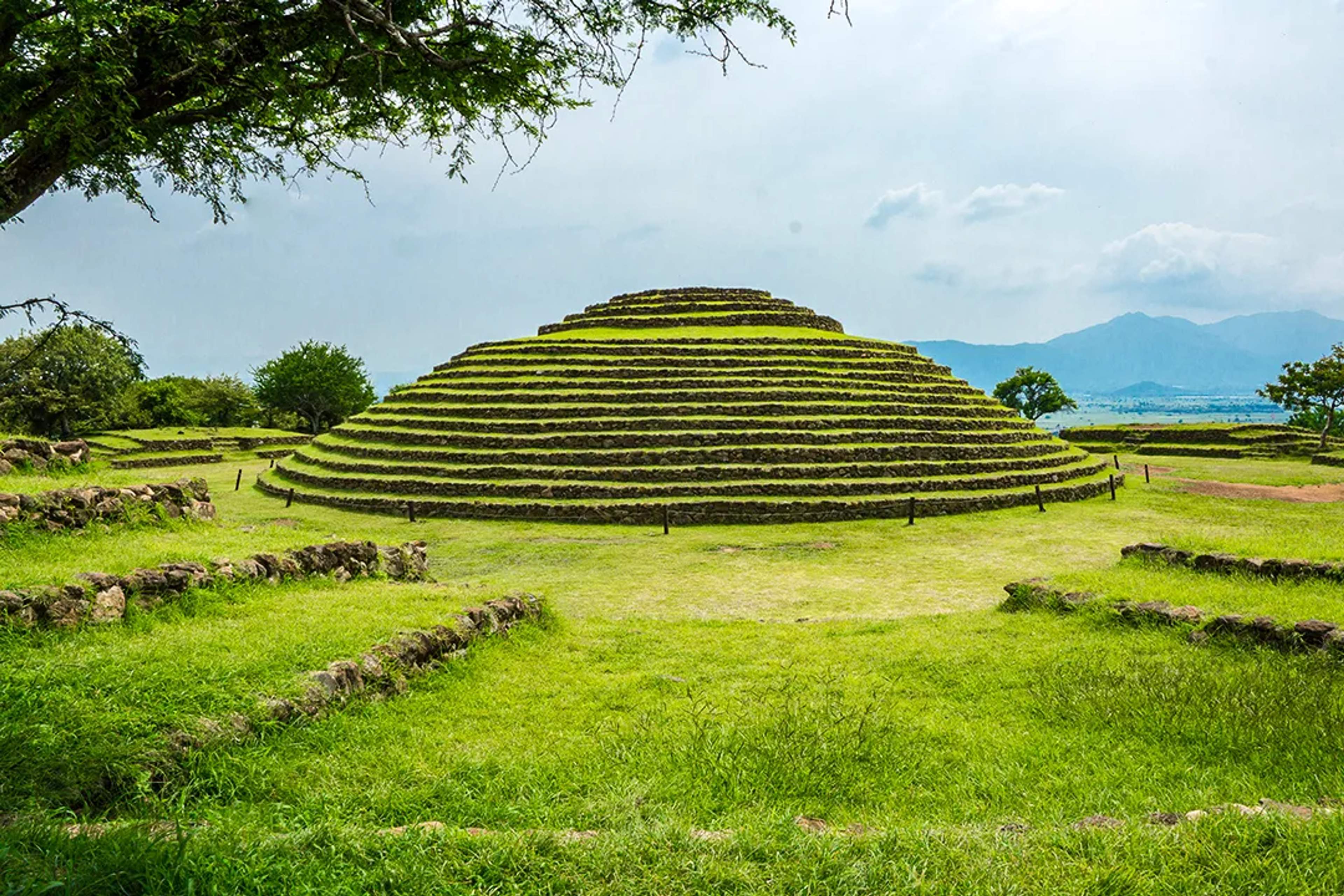
If the agave country pulls at you, our private tequila tour crosses this same Sierra Madre terrain to the town of Tequila, where you'll walk agave fields with an expert jimador and blend your own bottle.
See the Circular Temple at Ixtlán del Río
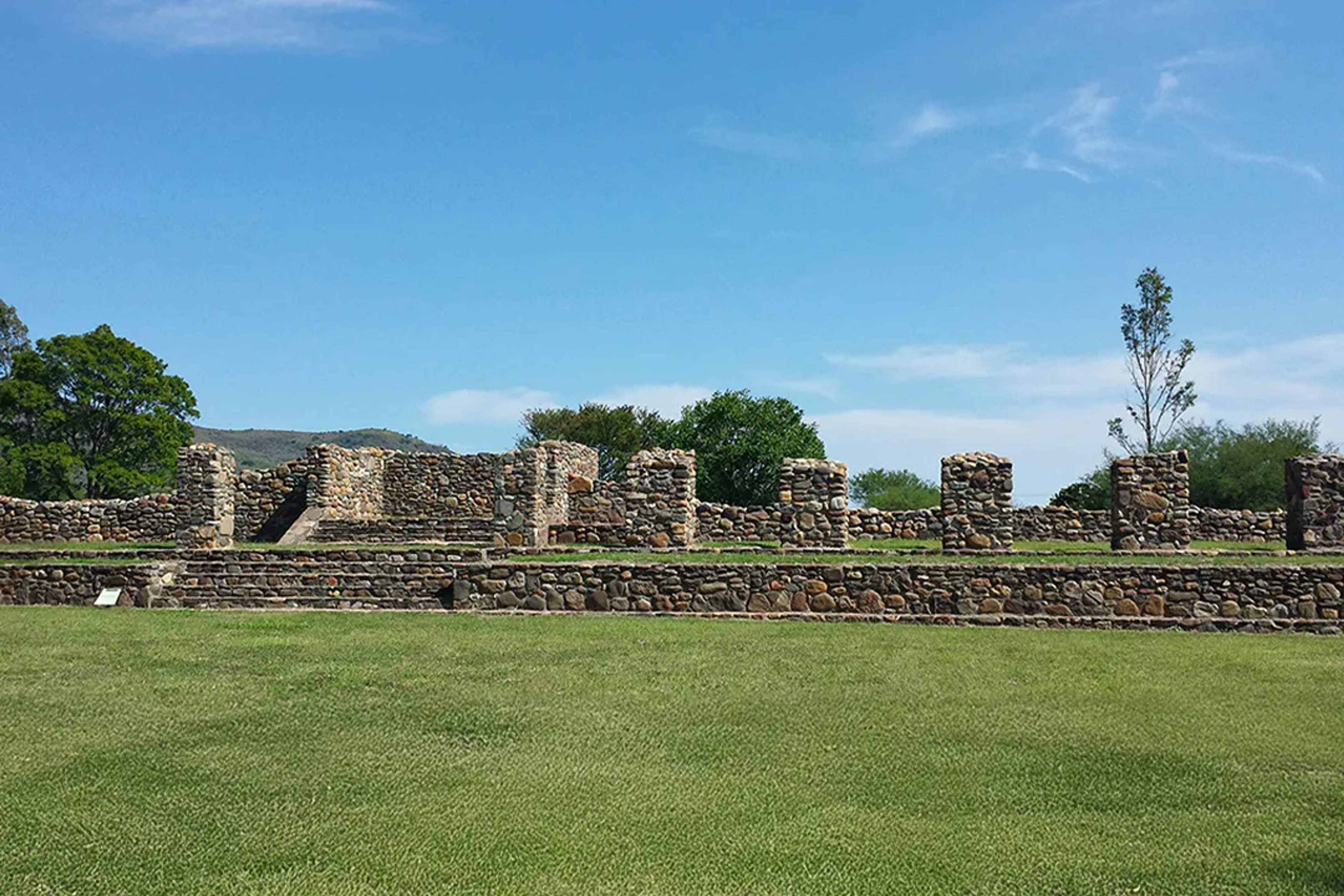
Los Toriles at Ixtlán del Río remains lightly visited despite more than 80 surviving structures. It sits at km 95.6 of Federal Highway 15 from Guadalajara, and the town earned Pueblo Mágico status in 2023.
The ancient city covered more than 80 hectares and peaked between 700 and 1200 AD. Structures arranged around plazas include the site's signature, a circular temple dedicated to Ehecatl-Quetzalcóatl, the wind god. It is one of the few round temples in Mesoamerica, nicknamed "el toril" for its resemblance to a bullring. An on-site museum has bilingual signage.
Find the Altavista Petroglyphs Near Chacala
The Altavista petroglyph site sits near Chacala village in Nayarit. Around 2,000 petroglyphs have been registered along the Arroyo de Las Piletas, with 56 visible in the visitor area. Carvings include spirals, a crying face, and a man with a head of corn, attributed to the Tecoxquin people.
The trail follows a creek to the Pila del Rey, a pool of cold spring water framed by huge rectangular rocks. It is rocky and unsigned, so a local guide from Chacala adds essential context and cultural depth.
Learn About Shaft Tombs, Western Mexico's Signature
Ancient cultures of Jalisco, Nayarit, and Colima built shaft tombs underground. These vertical shafts run 3 to 20 meters deep and lead to burial chambers filled with ceramic figures of musicians, ball players, warriors, and shamans. No comparable tombs have been found anywhere else in the world.
The first major undisturbed shaft tomb was found in 1993 at Huitzilapa, in the Tequila Valley between Vallarta and Guadalajara. The Phil Weigand Interpretive Center at Guachimontones displays a glass-covered tomb, ceramic figures, and obsidian artifacts.
Meet Living Wixárika Culture in Sayulita and San Pancho
The region's original peoples remain part of Jalisco and Nayarit. The Wixárika, also known as Huicholes, still live in the Sierra Madre and still practice traditions with pre-colonial roots. In 2025, UNESCO inscribed the Wixárika Route to Wirikuta on the World Heritage List, a pilgrimage corridor spanning more than 500 km across five states.
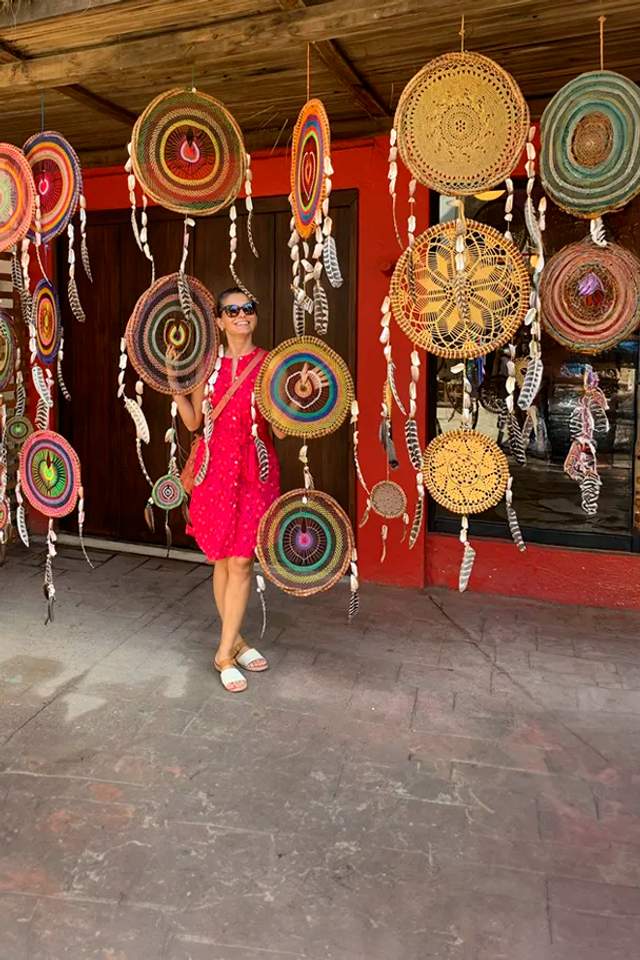
Wixárika culture is alive in Jalisco and Nayarit. Their beadwork and yarn paintings carry sacred symbols. Deer are messengers to the gods, peyote sits at the center of visions, and corn represents life itself.
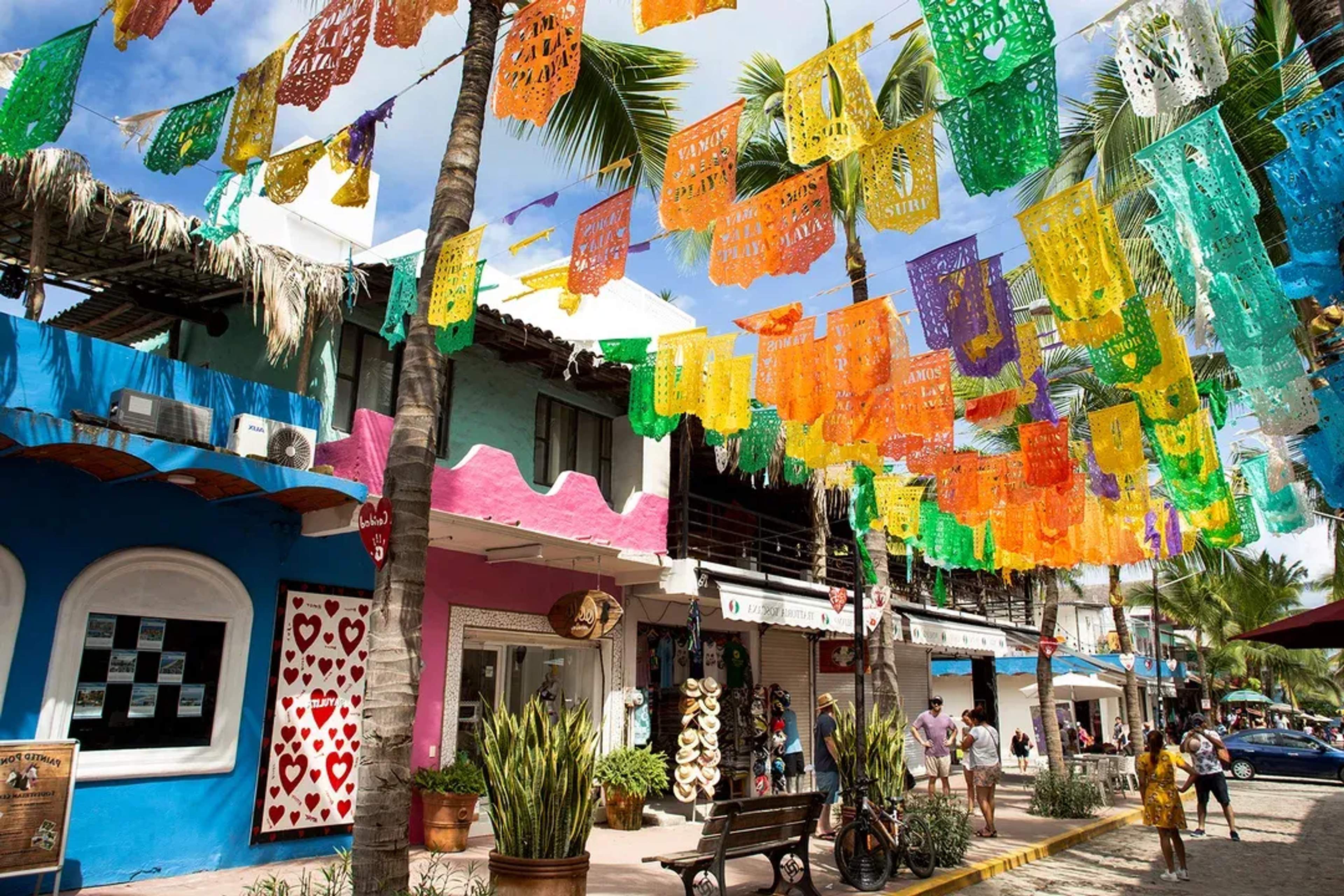
You can see this culture up close in Sayulita and San Pancho, where the Catholic heritage of the Spaniards and the Huichol worldview intertwine to give these beach towns their special flavor. On our private Sayulita and San Pancho tour, you'll discover what we affectionately call the hippie-chic side of Mexico. Picture bustling bohemian towns where you can take in murals and boutiques, then see Huichol artisans working on beadwork and embroidery right outside their colorful shops.
Walk the Colonial Streets of San Sebastián del Oeste
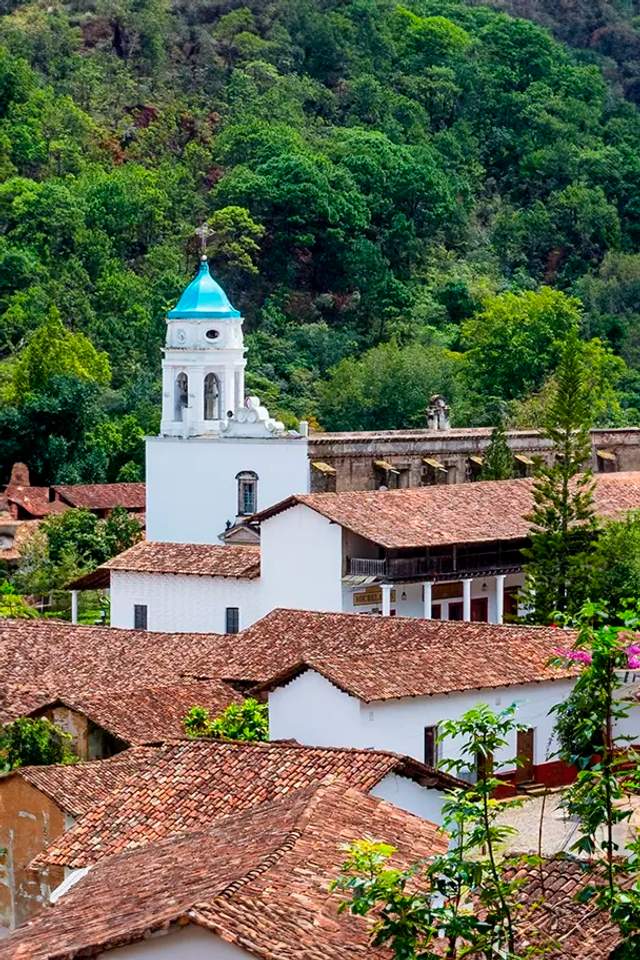
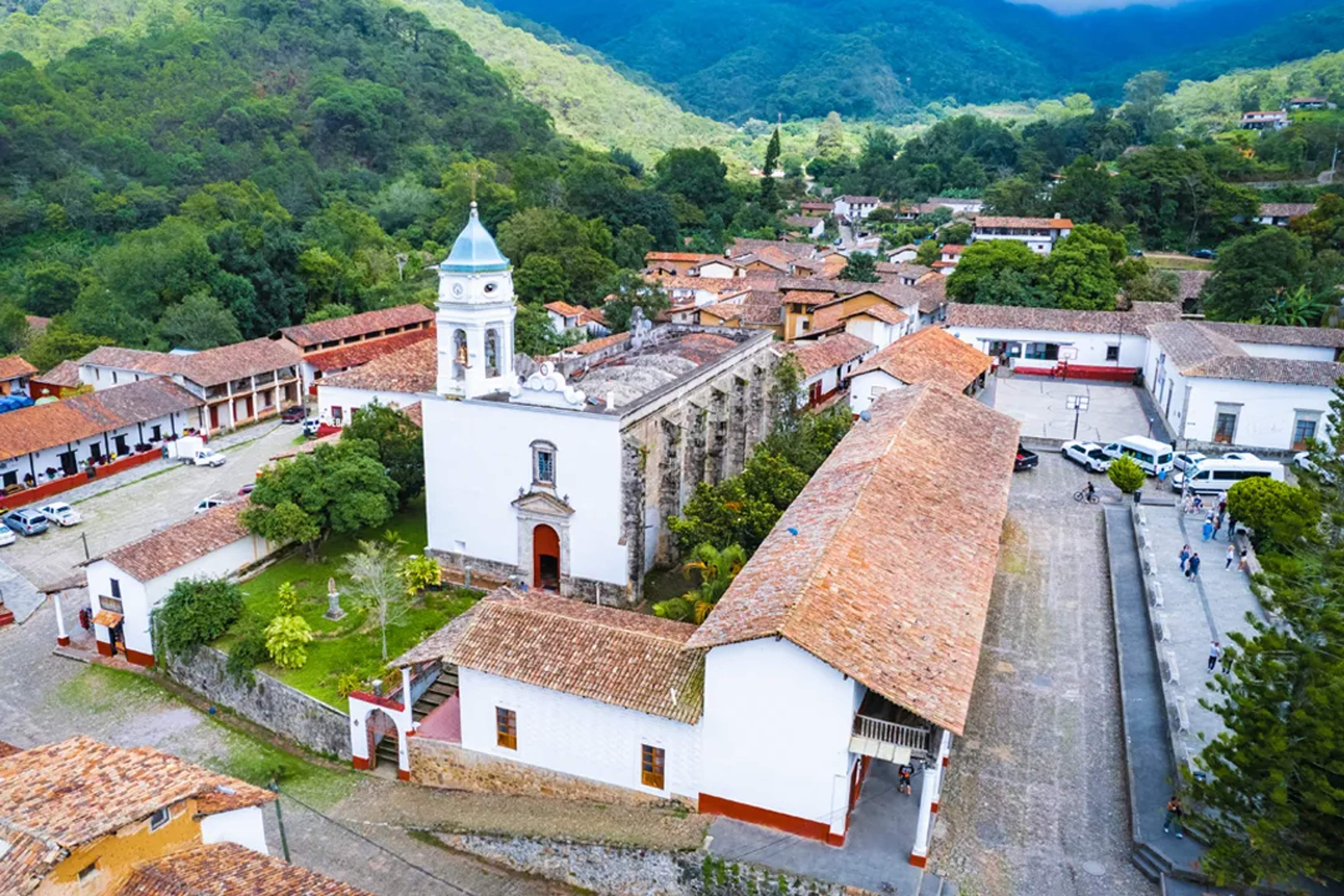
San Sebastián del Oeste, founded in 1605 as a silver mining settlement in the Sierra Madre, preserves its colonial character almost untouched. By 1785 more than 25 mines and foundries operated here, and the town peaked at around 20,000 residents by 1900. Today about 600 people remain.
You'll find white adobe buildings, cobblestones, archways, and a church rebuilt after an 1868 earthquake with a Baroque bell tower. San Juan de Abajo and San José del Valle add their own historic parish churches.
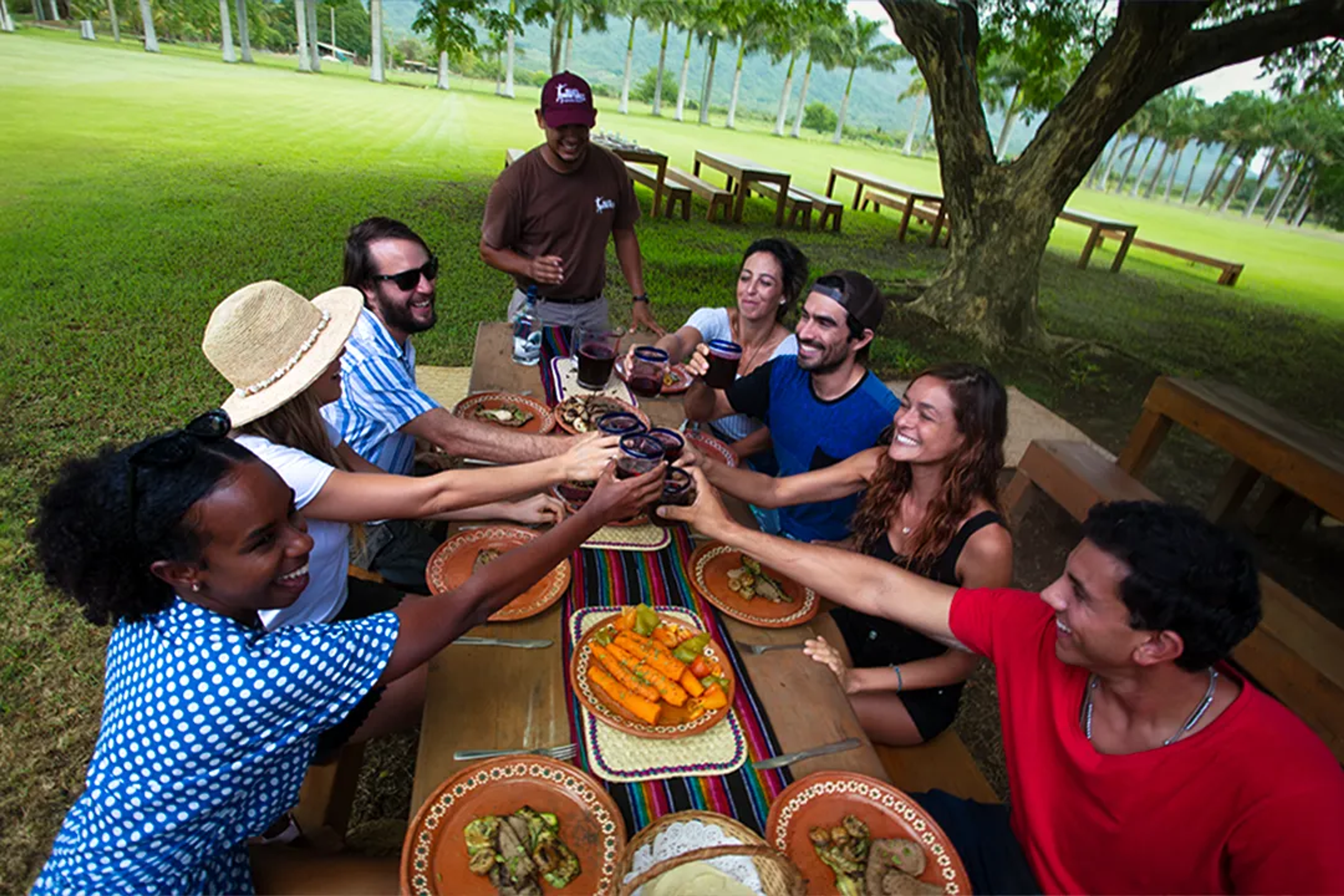
Our San Sebastian del Oeste day trip pairs the walking tour with a silversmith workshop, a coffee farm tasting, an artisanal tequila tasting, and a traditional three-course lunch. The schedule moves slowly, with time for the town's history and mountain air.

Tips for Visiting Ruins Near Puerto Vallarta
Check Puerto Vallarta's museums before you go. The Museo Arqueológico del Cuale on Isla Cuale holds the city's pre-Hispanic collection. Pottery and ceremonial objects appear alongside tomb displays arranged chronologically with bilingual captions. Isla Cuale has been the focus of ongoing restoration projects, so we recommend confirming the museum is open before making a special trip. Downtown, the Museo Histórico Naval on Calle Zaragoza has 14 interactive rooms and more than 154 pieces covering maritime history, including navigation instruments and the Manila Galleon trade. Its focus is colonial Pacific history, and the museum gives excellent context for how this bay connected Mexico to the world.
Time your visit with the seasons. Every season here has its case. From November through May, the dry season brings reliable weather for inland day trips. Mountain roads are drier, and lower vegetation makes petroglyph sites easier to read. December through March adds humpback whales to Banderas Bay, so you can pair ruins with wildlife in one trip. From June through October, rain usually arrives as short afternoon bursts while mornings stay sunny, so daytime outings are rarely affected. Those months bring lush green scenery and fewer crowds, though jungle trails get muddier and mountain roads can be slower after heavy rain.
Pack like a local for jungle sites. Remote sites reward a little preparation. Bring sturdy closed-toe shoes for rocky trails, plenty of water, snacks, a hat, bug repellent, and sun-protective clothing. During the rainy months, add a lightweight rain layer. For Altavista especially, remember that the site is sacred to Wixárika communities who still leave offerings there, so look, photograph respectfully, and leave everything as you found it.
Expand Your Horizons Beyond the Pyramids
The diversity of Puerto Vallarta includes circular pyramids, jungle petroglyphs, living Wixárika artistry, and silver-town streets. Vallarta Adventures guides can help you reach the region's archaeological sites and mountain towns.