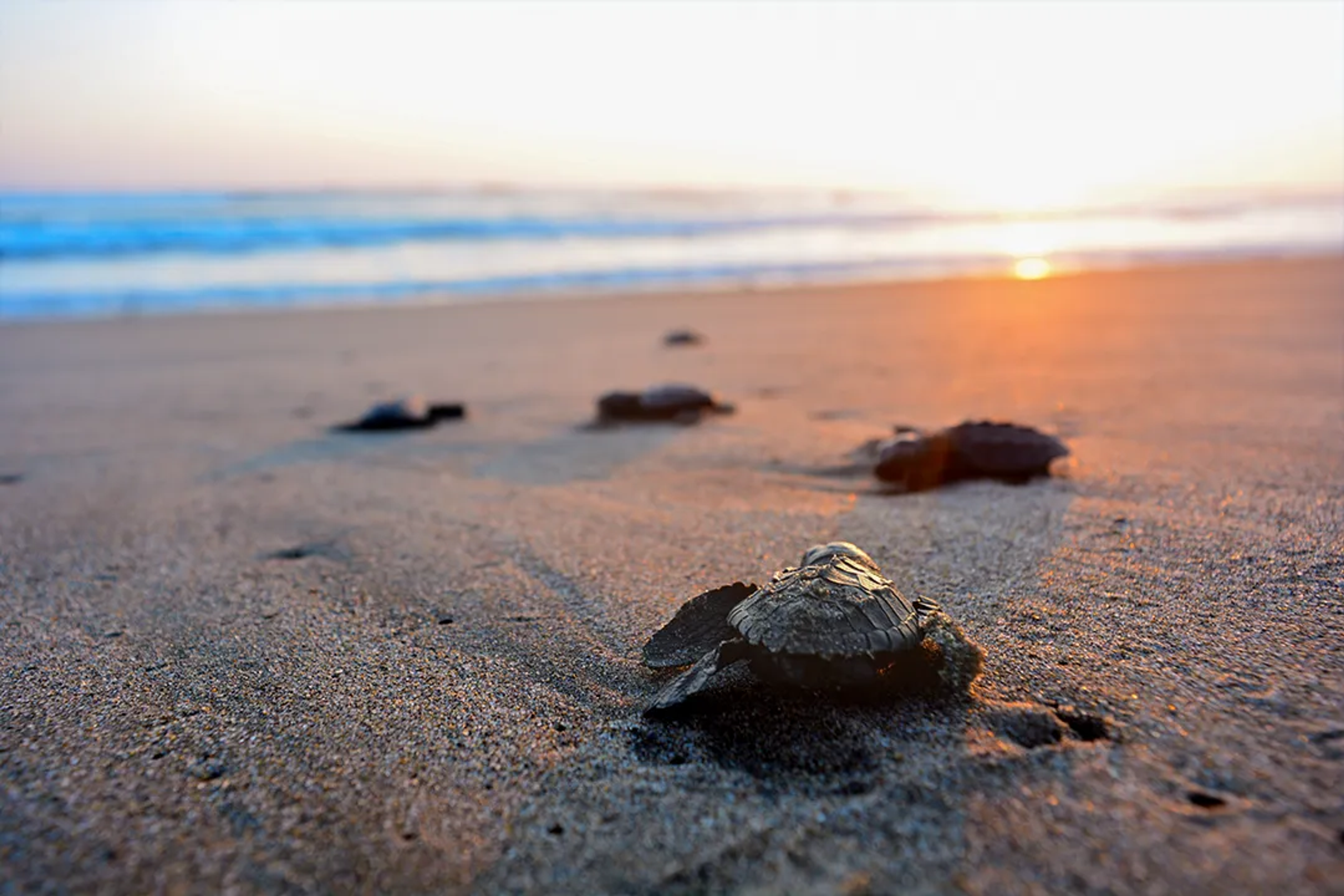
Each year between August and November, Puerto Vallarta transforms into one of Mexico’s most extraordinary wildlife destinations. As the sun sinks into Banderas Bay, thousands of baby sea turtles begin their instinctive race toward the waves. It’s a powerful natural event that blends conservation and wonder, one that more travelers now plan their trips around.
This blog was created to guide you through everything you need to know: how and where to witness turtle releases, the types of turtles that nest here, what ethical tourism looks like in this context, and how you can dive deeper—literally—with immersive marine tours that bring you face-to-face with these ancient creatures. Whether you’re traveling solo, with family, or as part of an eco-conscious adventure, Puerto Vallarta offers a turtle-watching experience you’ll never forget.
When Does Turtle Nesting Season Begin?
Turtle nesting season in Puerto Vallarta runs from August through November, with most hatchling releases taking place just after sunset. This timing helps protect the baby turtles; lower light conditions reduce the risk of predators and naturally guide the hatchlings toward the ocean.
Average Sunset Times in Puerto Vallarta (Local Time)
- August: 7:30–7:45 PM
- September: 7:20–7:30 PM
- November: 6:10–6:15 PM
Sunset times vary slightly due to weather and geography.
Swim with Sea Turtles in Puerto Vallarta
Dive at Las Caletas and Spot Olive Ridley Turtles
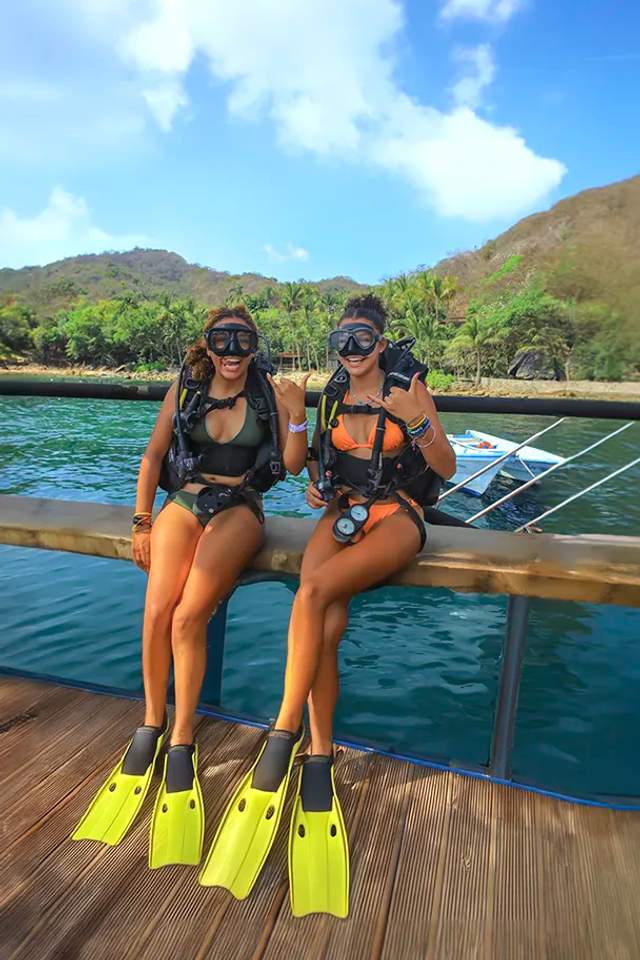
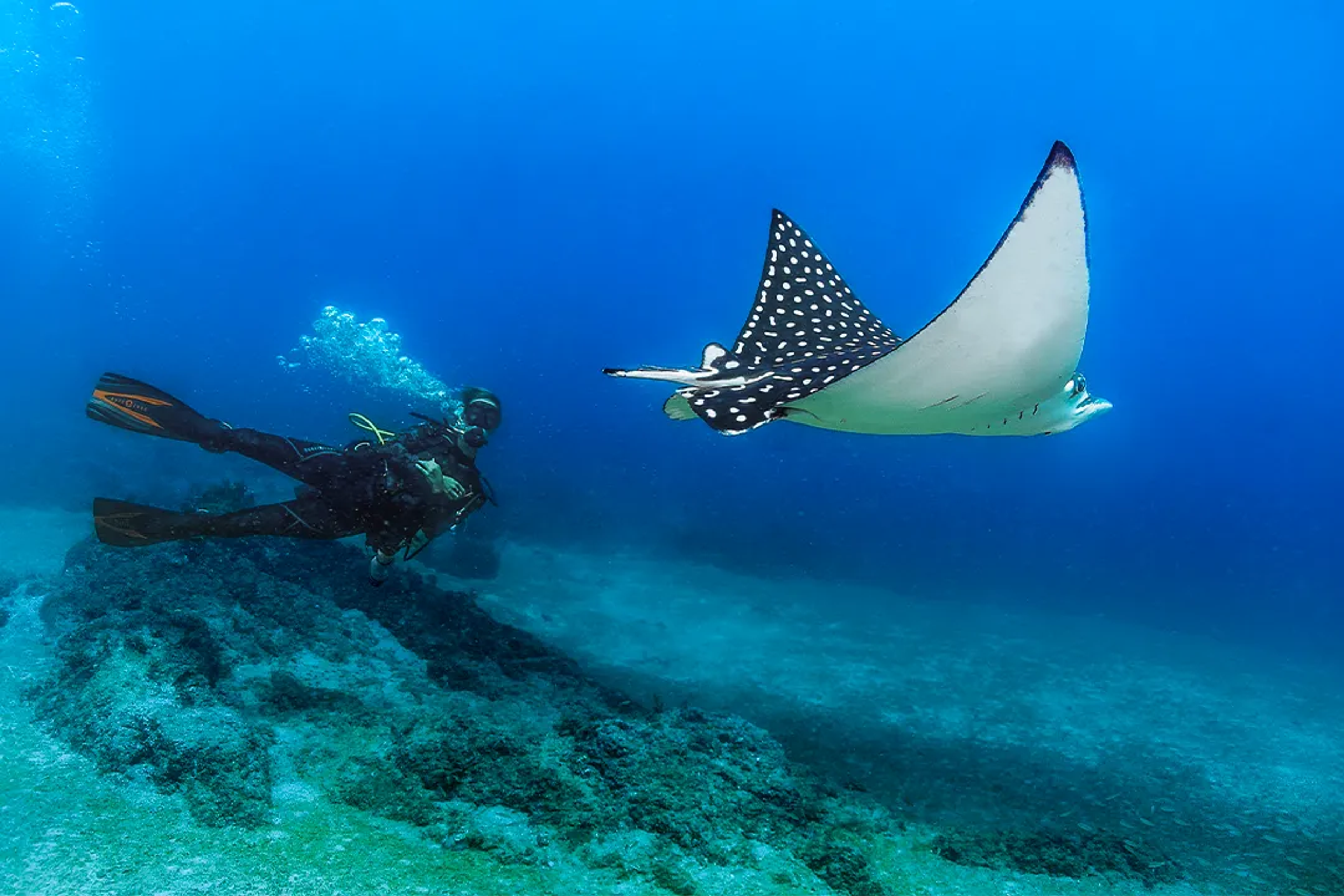
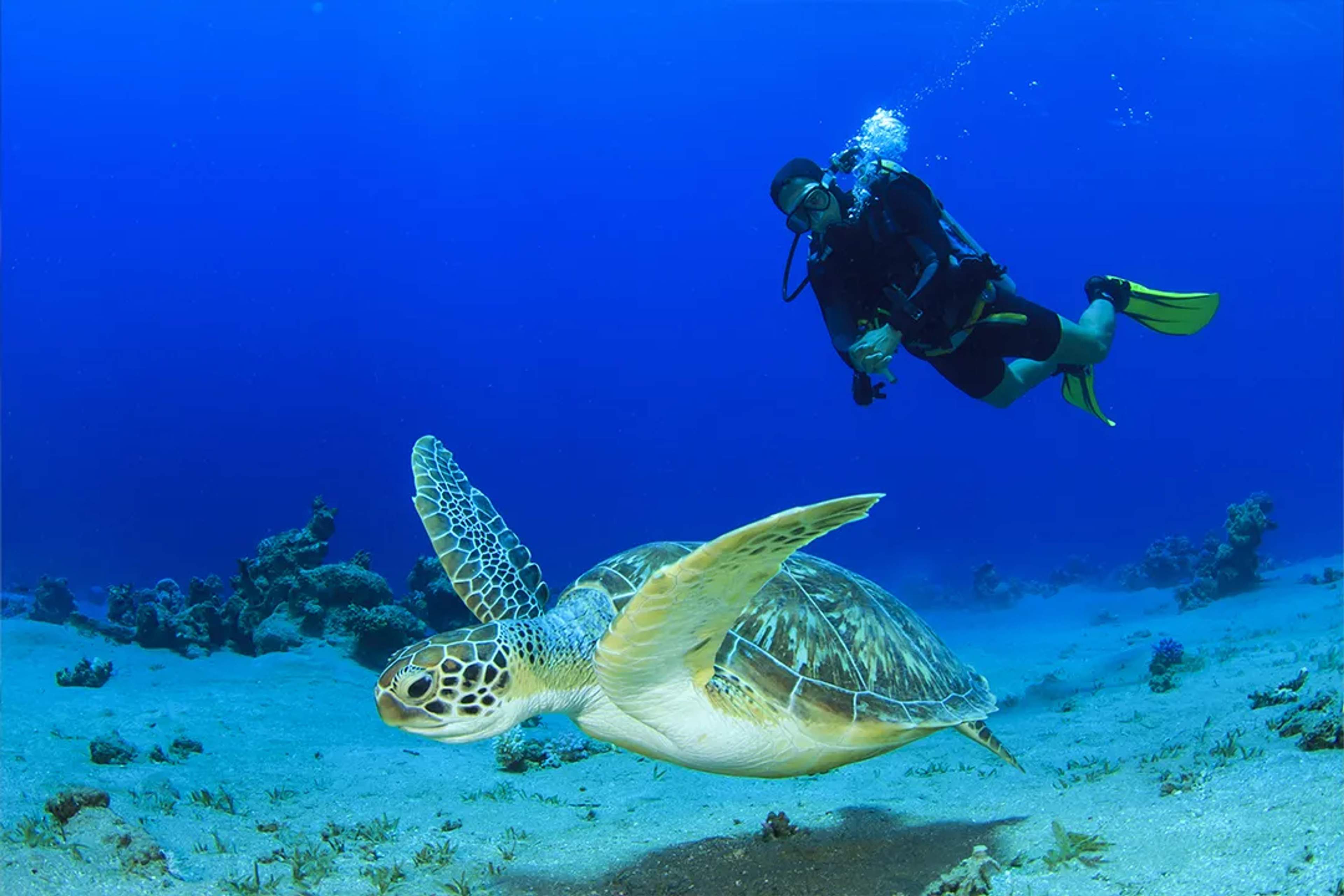
Accessible only by boat, Las Caletas is a secluded cove surrounded by jungle and golden beaches—an ideal environment for sea turtles. This guided diving takes you into calm, crystal-clear waters where you may encounter Olive Ridley turtles gliding past coral gardens, along with reef fish and eagle rays.
The site’s protected status supports healthy biodiversity. Guides highlight turtle-friendly coral formations and explain how conservation efforts in the area protect nesting and feeding grounds. Whether you're a beginner or an experienced diver, the excellent visibility and gentle conditions make this a rewarding dive. Afterward, relax in shaded hammocks, explore jungle trails, or enjoy a beachside lunch.
Scuba at Los Arcos: Swim with Hawksbill and Green Turtles
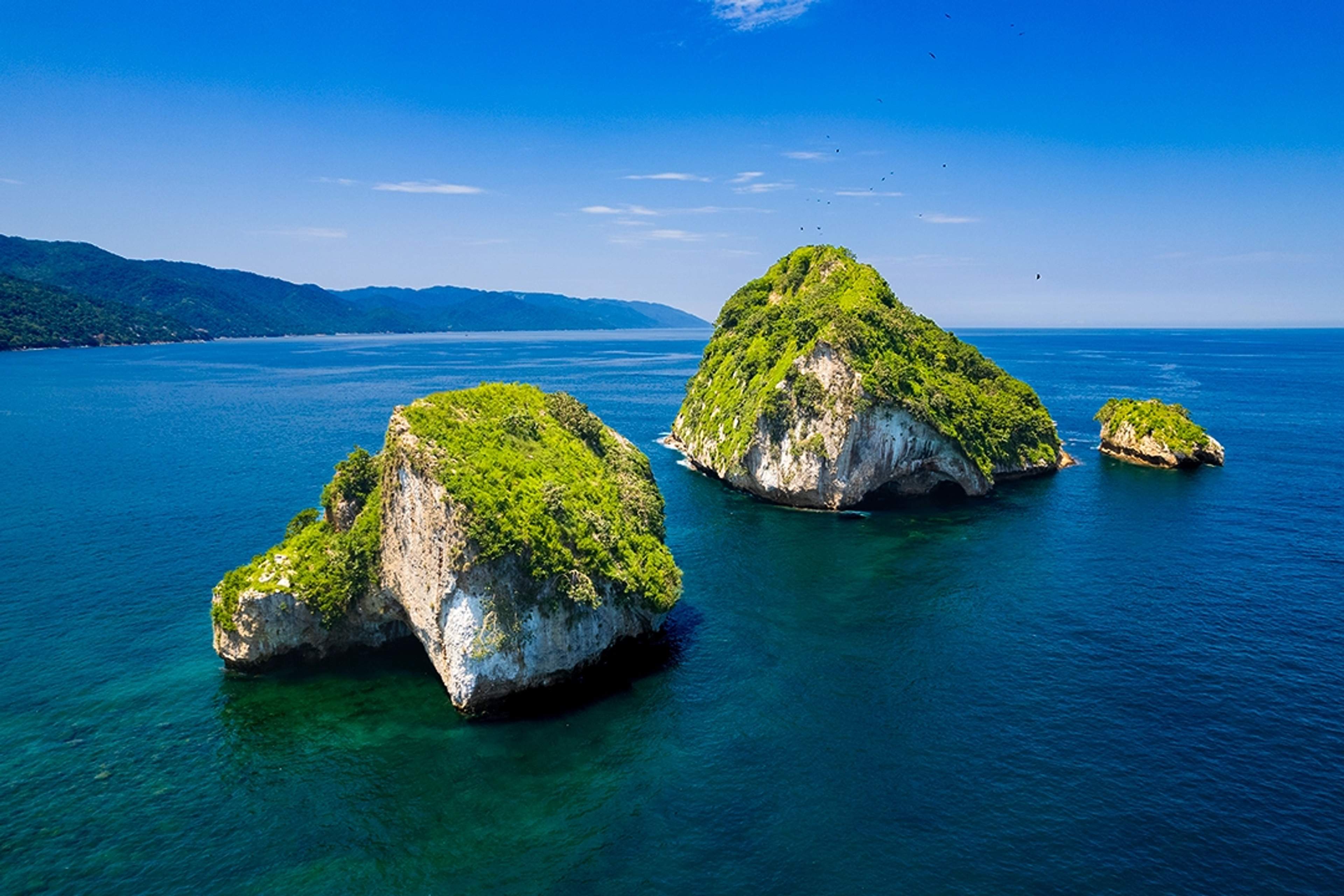
Los Arcos Marine Park features dramatic volcanic arches, caves, and deep reef walls that attract a wide range of marine life. This dive site is especially popular among turtle enthusiasts, with regular sightings of Hawksbill and Pacific Green turtles moving through its protected waters.
Guides explain how the rocky formations provide shelter and food sources for turtles, along with an array of tropical species. Whether you’re new to diving or advanced, Los Arcos offers a memorable, conservation-conscious encounter with some of the region’s most iconic marine wildlife.
Snorkel with Sea Turtles at the Marietas Islands
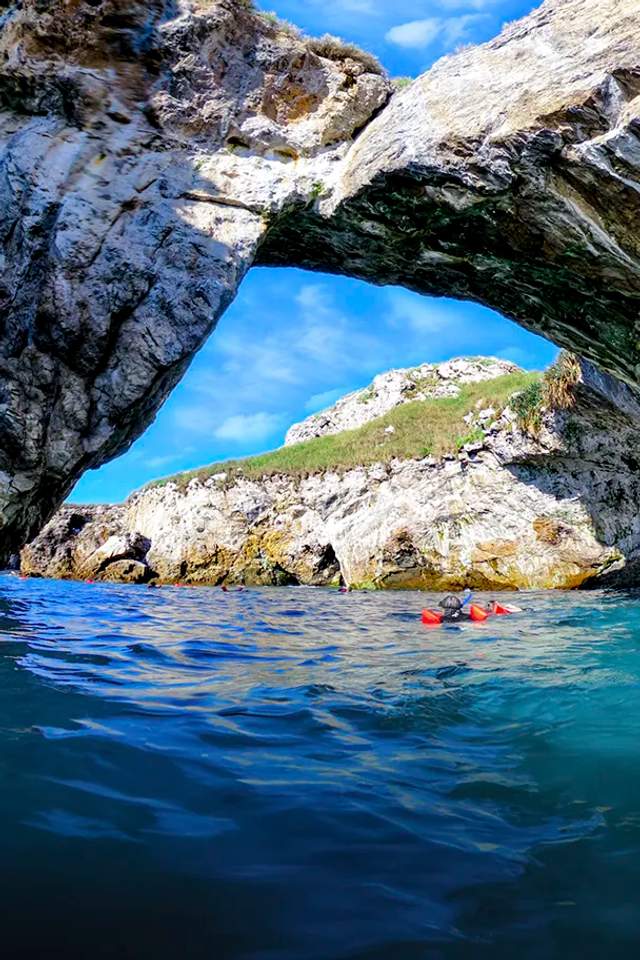
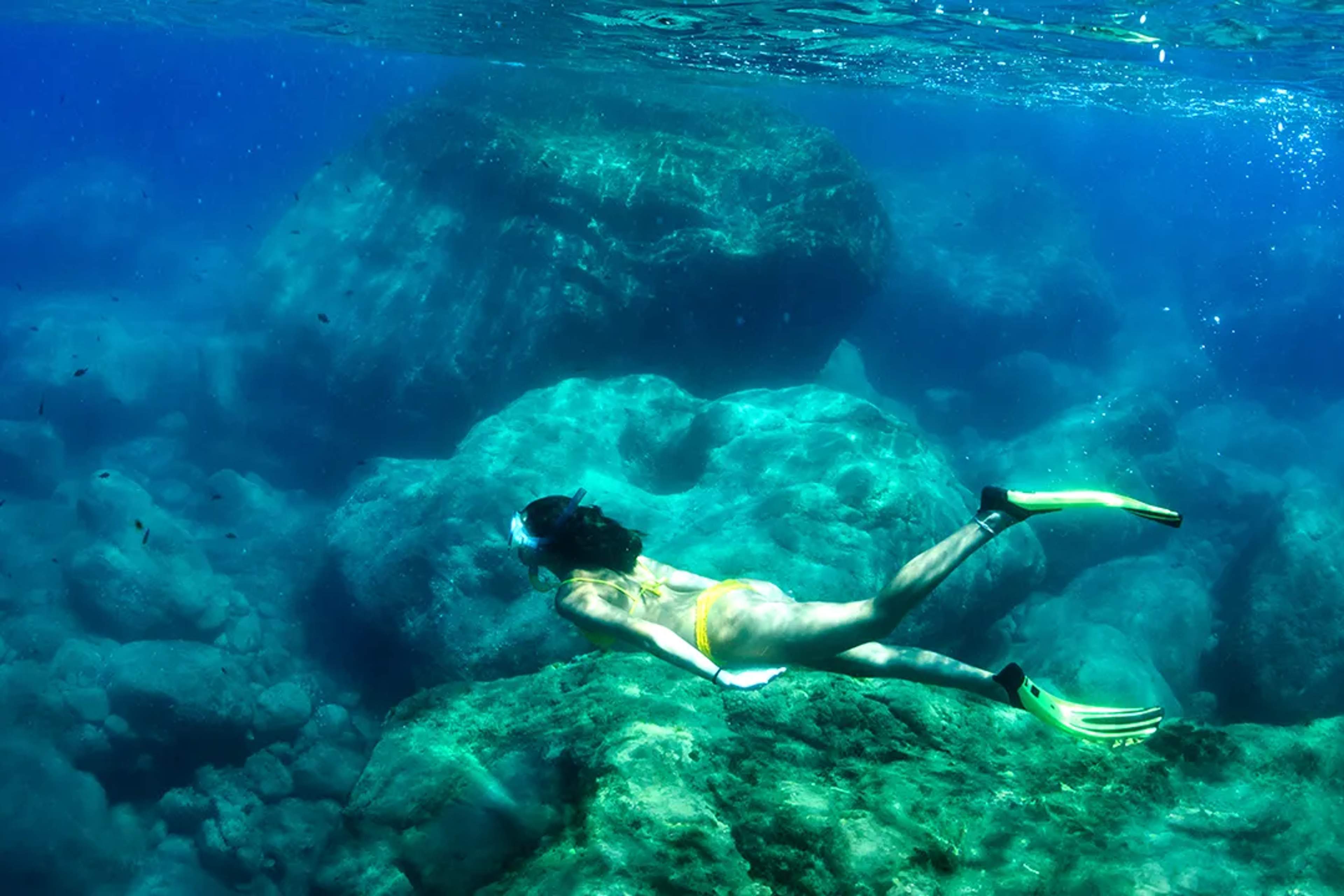
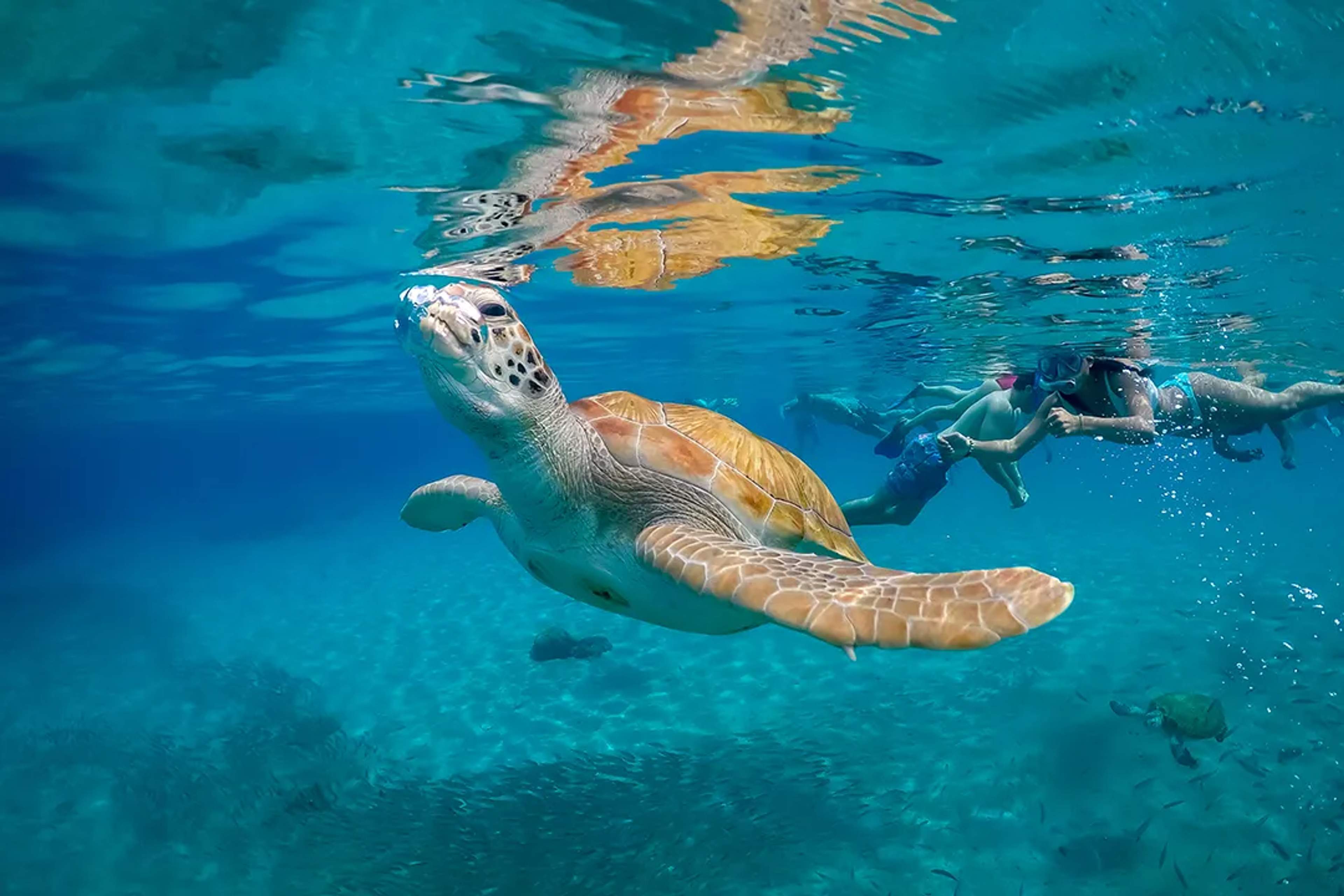
Located just off the coast of Banderas Bay, the Marietas Islands Eco Discovery takes you to a federally protected marine reserve known for its clear waters, volcanic formations, and rich marine life. This snorkeling experience offers the chance to spot Olive Ridley and Pacific Green turtles along with tropical fish, rays, and coral reef species.
Because the area is highly protected, boat access and fishing are limited, allowing marine wildlife to thrive. In addition to snorkeling, this eco-adventure includes kayaking, paddleboarding, and beach time at Majahuitas Beach, making it an excellent choice for families, couples, and eco-conscious travelers interested in learning more about marine conservation and turtle habitats.
Turtle Release Quick Tips
Best Time to Visit:
- August to November, just before sunset
What to Bring:
- Long sleeves and insect repellent
- Closed-toe shoes for walking on the beach
- Red-light flashlight (non-disruptive to turtles)
What to Avoid:
- Flash photography or bright lights
- Touching turtles or nests
- Walking on dunes or unmarked sand
During the season, conservation groups and local volunteers organize nightly patrols to monitor turtle activity, mark new nests, and protect hatchlings. In many locations, visitors are welcome to observe or join these efforts. Whether you witness a nesting female or a group of hatchlings heading to the ocean, it’s a powerful and educational experience for all ages.
Where Are the Best Beaches to See Sea Turtles?
Several beaches in and around Puerto Vallarta are known for sea turtle activity, but there are only three official sea turtle camps (or campamentos tortugueros) operating in the region. These community-led initiatives focus on protecting nesting turtles, relocating eggs to safe hatcheries, and guiding baby turtles safely to the ocean.
Boca de Tomates – Just minutes from the Puerto Vallarta airport, this small but passionate turtle camp runs regular releases during the nesting season and welcomes volunteers.San Pancho – Located north of the city, this charming beach town is home to Project Tortuga, a respected community-run hatchery with education and conservation programs.
Sayulita – Known for its vibrant surf culture and eco-conscious vibe, Sayulita is also home to an active turtle camp focused on preservation and public involvement.Whether you're visiting in summer or early winter, be sure to check if a release is happening—you may have the chance to witness (or even assist with) one of nature’s most heartwarming moments.
Some beach hotels like Garza Blanca and Velas Vallarta also organize turtle releases, so if you are interested in doing that activity in the comfort of the hotel you are staying at, the best idea is to reach out to them before booking, to ask if that’s an activity they do, and inquire about the specifics (months of the year they do it, specific dates and timings).
Inquire if your hotel is located on one of these beaches:
- Camarones Beach – Located downtown and monitored by local volunteers.
- Los Muertos Beach – A central beach that frequently sees turtle activity.
- Nuevo Vallarta Beach - For those staying in the Nuevo Vallarta hotel zone.
What Kinds of Turtles Nest in Puerto Vallarta?
Puerto Vallarta hosts four main species of sea turtles:
- Olive Ridley (Golfina): The most common, making up about 90% of nests. Recognizable by their heart-shaped olive shell. IUCN Status: Vulnerable.
- Pacific Green (Tortuga Negra): Herbivorous and smooth-shelled, these turtles undertake long migrations. IUCN Status: Endangered.
- Hawksbill (Carey): Known for their amber-patterned shells and narrow beaks suited for coral reef feeding. IUCN Status: Critically Endangered.
- Leatherback (Laud): The largest sea turtle in the world. Due to their endangered status, sightings and hatchings are rare in the area. IUCN Status: Endangered.
Each species plays a unique role in maintaining marine ecosystems. For example, the herbivorous Pacific Green helps keep seagrass beds healthy, while the Hawksbill controls sponge populations on coral reefs. Understanding their behaviors makes every turtle encounter more meaningful.
Can Families Participate in a Turtle Release?
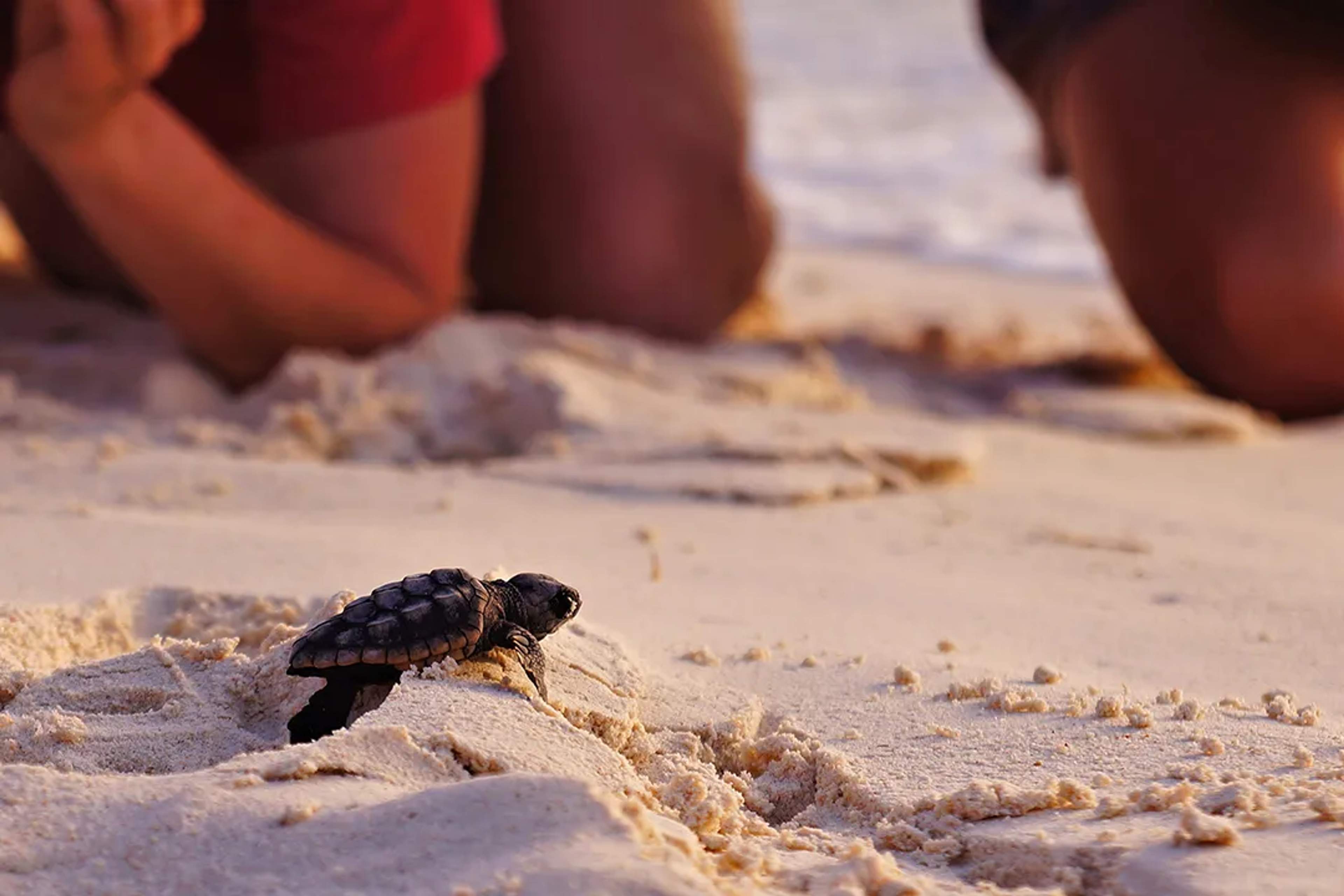
Yes! Turtle releases are ideal for families with children aged six and up. These events are designed to be educational and respectful of wildlife. Playa Holi and Playa de Oro are great options for family-friendly turtle viewing with well-managed access and conservation guidance.
Releases are led by experts who explain the turtles' life cycle and the threats they face. Kids can ask questions, get involved (without touching the animals), and walk away with a deeper respect for ocean life.
When Should I Arrive for a Release?
To get the most out of the experience, arrive 30 to 45 minutes before sunset. This allows time for the conservation briefing, secures a good viewing spot, and prevents crowding the release area. Early arrival also ensures you won’t accidentally disturb marked or unmarked nests.
In many cases, the conservation team will begin with a short presentation or demonstration. These moments help set the tone for the evening and often provide helpful background information that enriches the release experience.
What Are the Guidelines for Watching a Turtle Release?
Visitors are asked to follow a few essential guidelines: Do:
- Use red-light flashlights or activate phone night mode
- Stay at least 2 meters back from turtles
- Wear long-sleeved, sun-protective clothing
- Listen to guides and follow their instructions
Don't:
- Use white lights or camera flash
- Touch the turtles or interfere with the nests
- Bring pets, smoke, or leave trash
- Walk on dunes or unmarked sand areas
These rules are not just recommendations—they're vital for turtle survival. Disrupting hatchlings with bright lights or physical interference can disorient them, increasing the risk of predation or death before they even reach the water.
What Conservation Programs Can I Visit?
Two trusted programs welcome visitors:
- Campamento Tortuguero Boca de Tomates: North of the airport, this grassroots initiative organizes nightly releases and accepts donations to support patrols and supplies.
- Grupo Ecológico de la Costa Verde: Based in San Pancho, this nonprofit offers volunteer programs and educational outreach.
Both organizations are run by passionate locals and marine biologists who are deeply committed to preserving Puerto Vallarta’s marine biodiversity. Participating in one of their programs offers a behind-the-scenes look at how conservation works on the ground.
Can I See Turtles Outside Nesting Season?
Sea turtles are often visible year-round in the waters off Puerto Vallarta. They forage near coral reefs and rocky outcroppings, and are frequently spotted during snorkeling or diving tours near areas like Los Arcos and Las Caletas.
If you're a snorkeler or diver, ask your guide about the likelihood of turtle sightings during your outing. Many operators keep logs of recent encounters and can recommend the best time of day and tide conditions for wildlife visibility.
Why Are Sea Turtles Important in Mexican Culture?
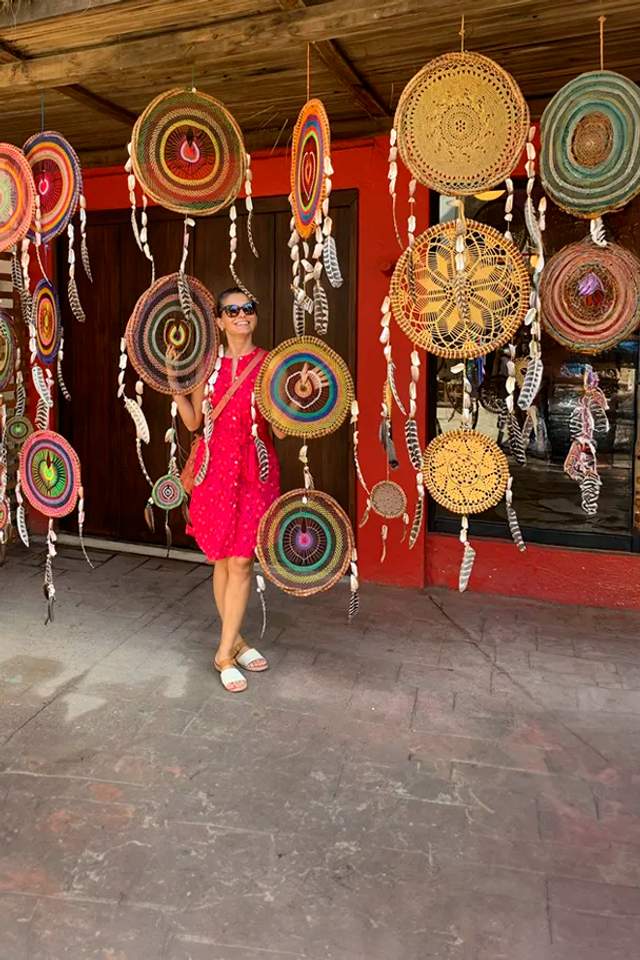
Sea turtles symbolize wisdom, longevity, and protection in Indigenous traditions. They appear in ceramic art on Día de los Muertos altars and are featured in beadwork, textiles, and pottery made by local artisans. Supporting local markets in places like San Pancho and Bucerías helps preserve these cultural expressions.
In some coastal communities, turtles are honored with spiritual rituals or symbolic stories passed down through generations. Visitors are encouraged to explore these cultural ties to better understand the deep relationship between local people and the sea.
Understanding the Life Cycle of a Sea Turtle
Turtles nest on the same beach where they were born. After 45 to 60 days of incubation, hatchlings emerge and follow the moonlight to the ocean. Fewer than 1 in 1,000 survive to adulthood, but those that do may return 20 years later to nest.
The entire process is both delicate and awe-inspiring. Conservationists study each stage of the cycle to better understand how to protect sea turtle populations in the face of climate change, ocean pollution, and urban development.
How Travelers Can Support Sea Turtle Protection
Travelers can help protect turtles by:
- Wearing sun-protective clothing and using reef-safe sunscreen
- Avoiding single-use plastics
- Eating at restaurants that serve sustainably sourced seafood
- Volunteering or donating to hatchery programs
- Spreading awareness through education and social sharing
Before booking a tour or activity, check whether the operator follows ethical wildlife interaction standards. Choosing responsible operators helps set a higher bar across the industry.
Final Thoughts
Turtle season in Puerto Vallarta is a magical intersection of nature, culture, and community. Whether you're watching tiny hatchlings find the ocean or swimming alongside an adult turtle, every moment is a chance to connect with something timeless.
These experiences can be life-changing—not just for you but also for the turtles whose survival depends on responsible tourism and environmental stewardship.
Ready to make your trip meaningful? Book your eco-adventure today with Vallarta Adventures and help protect one of the Pacific’s most iconic species. Witness the magic of turtle season—and leave Puerto Vallarta knowing your presence helped ensure this extraordinary cycle continues for generations to come.