Puerto Vallarta has one of Mexico's most established international communities, and for good reason. Between the Pacific coastline, the Sierra Madre foothills, and a city that still feels like a real Mexican town rather than a resort campus, it offers something most beach destinations don't. It offers a place where people actually build lives. During high season, the city hosts an estimated foreign population, with roughly 10,000 to 15,000 staying year-round. If you're seriously considering a move, here's what we see expats in Puerto Vallarta deal with on a daily basis, the good and the less glamorous.
Picking a Neighborhood
Where you live will shape your entire experience here, more than almost any other decision. PV's neighborhoods vary dramatically in character, cost, and how close you'll be to local life versus the international community.
Zona Romántica is the most popular starting point for newcomers. It's walkable, socially dense, and home to PV's recognized LGBTQ+ district with organizations like the Vallarta Gay+ Community Center. English-speaking services are everywhere. The tradeoff is price, and the area carries significant tourist foot traffic year-round.
5 de Diciembre, just north of the Cuale River, offers a more locally rooted feel at lower cost. It's specifically recommended by long-term residents who want proximity to the center without the tourist-zone premium.
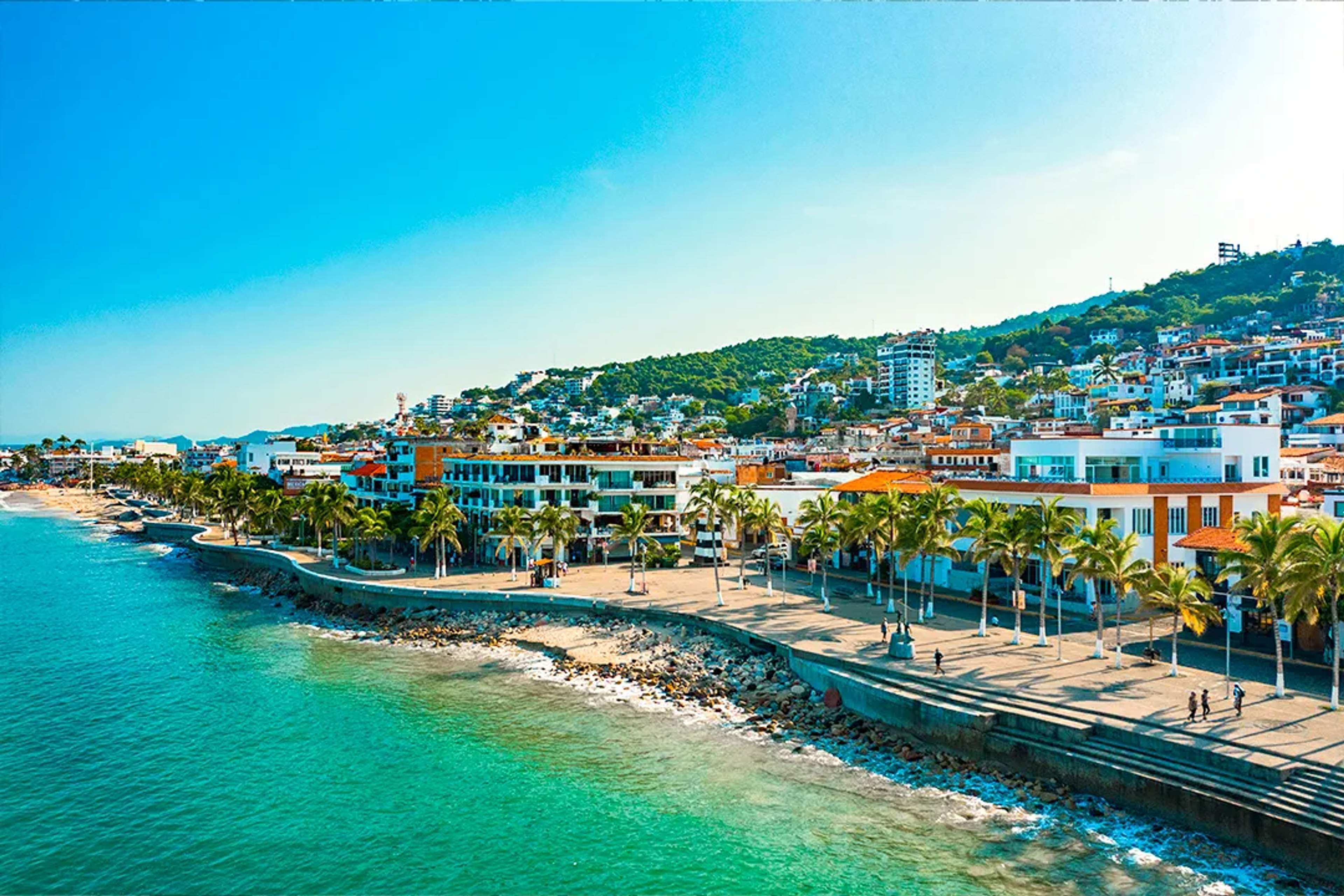
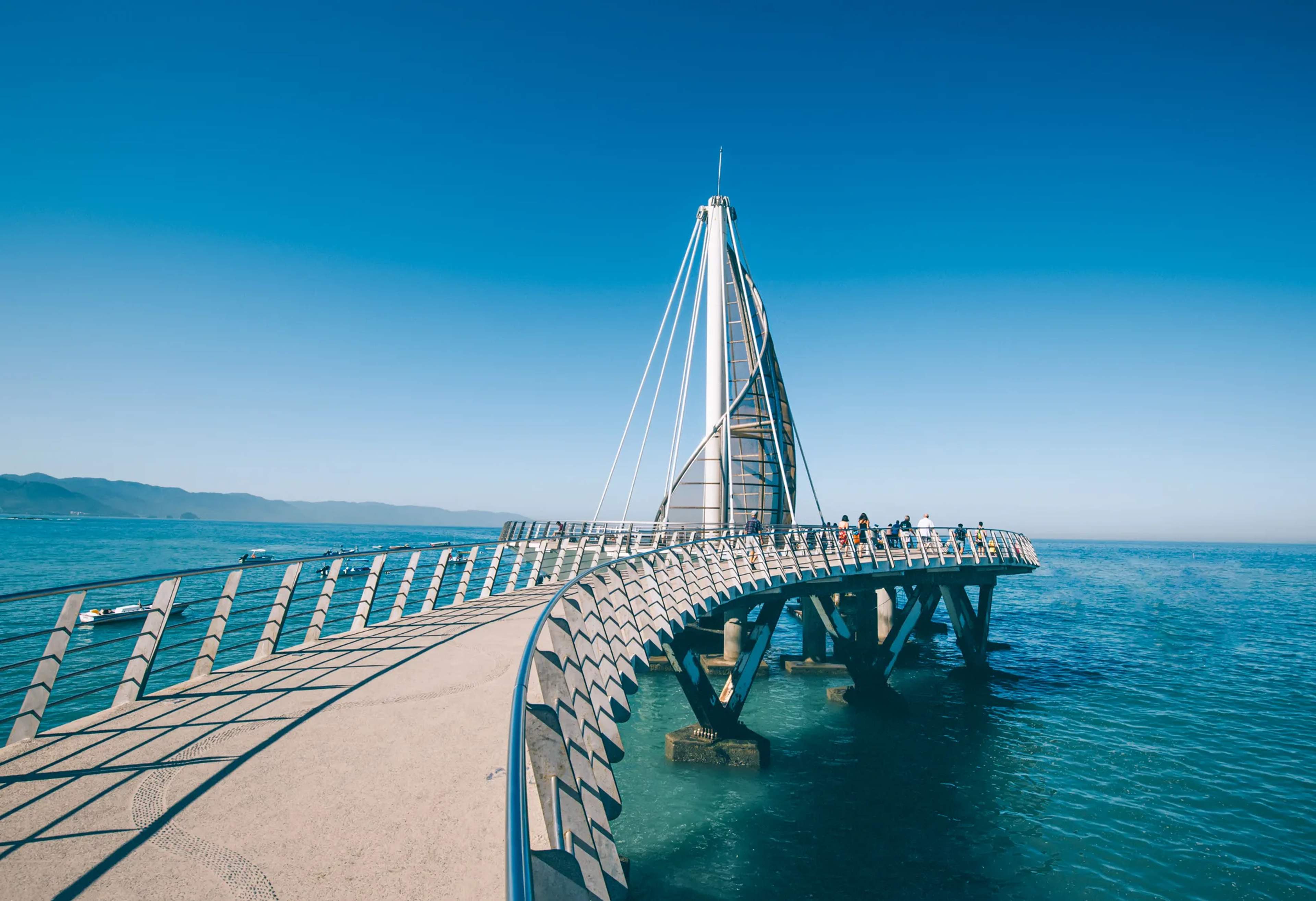
Olas Altas, the beachfront stretch within Zona Romántica, is where much of the area's daily social life happens. The street is lined with cafes, restaurants, and small shops, and the Saturday farmers market here is a long-running gathering point for residents. Living on or near Olas Altas means walking distance to the beach, the Los Muertos pier, and most of PV's best-known dining, though you'll pay a premium for the location.
Versalles is a solid residential option for budget-conscious newcomers who still want city access. Fluvial Vallarta, near the big-box stores, draws families and buyers looking for newer construction. Marina Vallarta skews upscale, with a golf course, marina, and a more self-contained expat enclave feel.
It's worth noting that Nuevo Vallarta sits in the neighboring state of Nayarit, not Jalisco. That distinction matters for residency paperwork, property rules, and local governance, so keep it in mind if you're looking at properties across the bay.
What It Actually Costs
PV is not the cheapest place to live in Mexico. Costs have risen noticeably in recent years as demand from both local and international buyers has pushed real estate prices higher. According to Numbeo costs, a one-bedroom apartment in the city center averages around $1,413 per month, while outside the center you're looking at roughly $853.
For a couple living comfortably in a mid-range neighborhood like 5 de Diciembre, expect a total monthly budget of approximately $2,200 to $2,500, covering rent, groceries, utilities, internet, dining, and some entertainment. A single person can manage on $1,500 or less if they're careful with housing and eat locally.
Groceries at local markets remain affordable. A dozen eggs runs about $2.30, a kilo of chicken around $12. Dining out at a simple restaurant costs roughly $12 per person, while a mid-range dinner for two lands around $70. The real variable is air conditioning. Utility bills swing significantly based on AC use, especially from June through October.
Healthcare and Residency Basics
Healthcare quality in Puerto Vallarta is genuinely strong. Private hospitals like CMQ (with locations in the city center, Premiere, and Riviera Nayarit) and Hospital San Javier in Marina Vallarta offer full services with English-speaking staff. A typical private doctor visit costs around $40.
Most expats use a hybrid approach. IMSS, Mexico's public healthcare system, is available to residents with valid temporary or permanent visas, with monthly premiums ranging from roughly $63 to $93 depending on age. Many pair IMSS or a high-deductible private plan with out-of-pocket payments for routine care, where costs remain significantly lower than in most of their home countries.
On the residency front, all applications begin at a Mexican consulate before you arrive. Temporary residency requires demonstrated monthly income of approximately $4,185 to $4,400, or savings averaging around $70,000 over 12 months. Permanent residency thresholds are higher, around $7,400 monthly income. These numbers are based on Mexico's minimum wage formula and fluctuate with exchange rates, so confirm directly with your specific consulate.
One detail that catches people off guard is that income requirements are after-tax income. And if you're driving a foreign-plated vehicle into Mexico, you'll need to take it back out before completing the residency process. Plan the timing carefully.
Getting to Know the Region Beyond the Beach
One of the best things you can do in your first few months is get out of your neighborhood and learn the broader geography. The Bay of Banderas area is much bigger than the city itself, and knowing the surrounding communities, the mountain towns, and the agricultural valleys will change how you relate to daily life here.
We recommend the Pueblos Culinary Tour as a genuine orientation to where Puerto Vallarta's food comes from. The route passes through mango fields and plantations of watermelon, papaya, and pineapple on the way to the agricultural towns of San Juan de Abajo and Valle de Banderas. You'll visit an organic cacao farm, see the tree-to-drink process firsthand, and make tortillas at a traditional tortillería. For new residents, this kind of day builds practical food literacy. You'll start recognizing what's seasonal at the market and understand the agricultural network feeding your city.
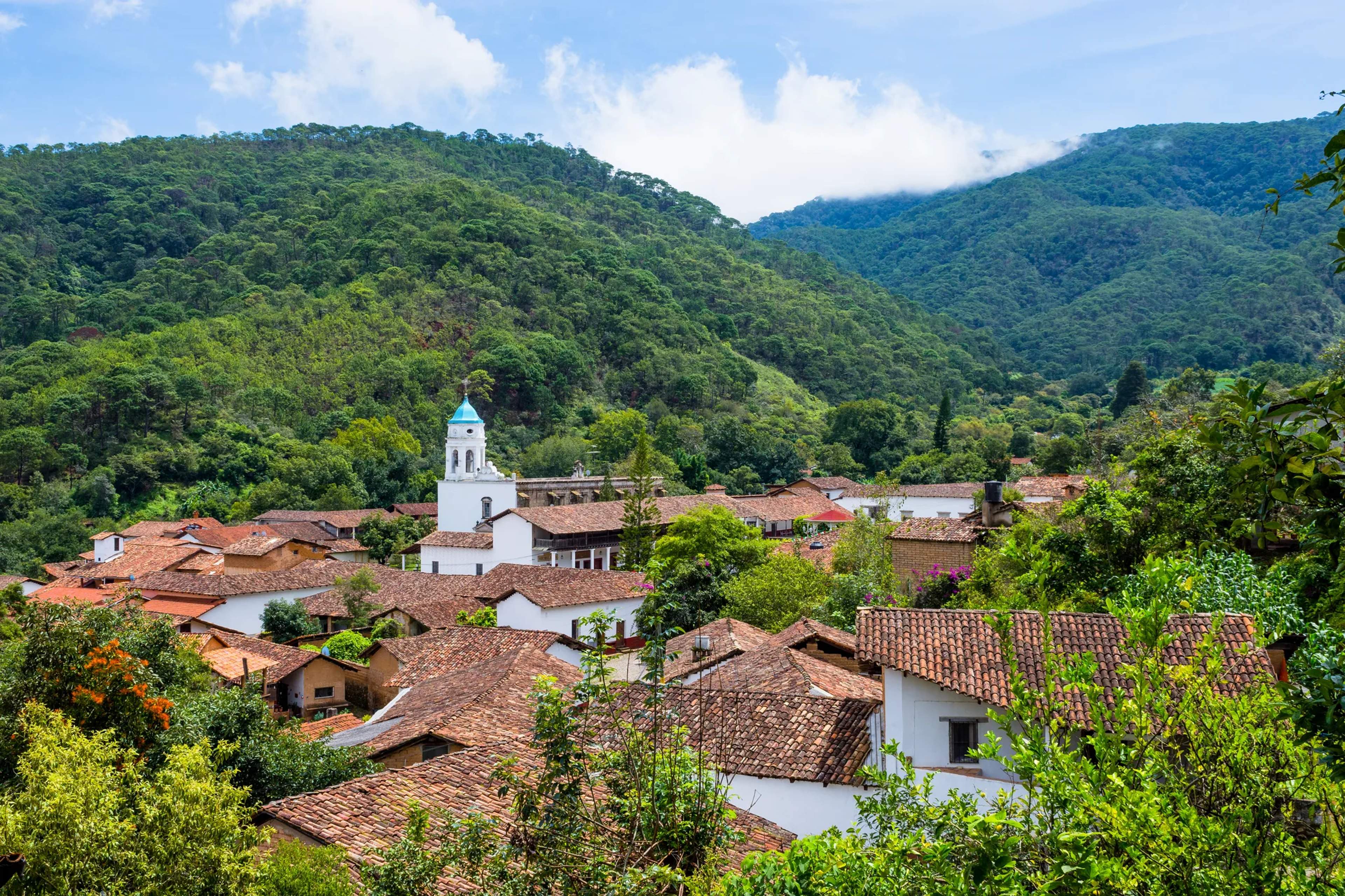
The Sierra Madre mountains behind Puerto Vallarta are another defining feature most newcomers don't explore early enough. A full-day trip to San Sebastian del Oeste takes you into a colonial silver mining town with cobbled streets and centuries-old buildings, classified as a Pueblo Mágico. It's about eight hours well spent, and it opens up the mountain dimension of the region that most people don't discover until they've been here for years.
Both of these are the kind of days that turn "I just moved here" into "I'm starting to understand this place."
Community and Social Life
PV's social infrastructure is more developed than most comparably sized Mexican cities. The International Friendship Club has been a community institution for decades, running medical assistance programs, educational support, food distribution, and fundraising. For many long-term residents, participating becomes a regular part of daily life.
Online, the Puerto Vallarta Expat Network on Facebook functions as practical infrastructure for housing questions, local recommendations, and finding your footing. Active forums on established platforms cover everything from banking to neighborhood reviews.
One honest note about seasonality is that the social scene contracts significantly from June through October. Many expats travel during the summer months to avoid the heat and humidity. If you're staying year-round, expect a quieter, smaller community during those months, which some residents actually prefer.
Practical Things That Surprise People
Banking takes longer than you'd expect. Most Mexican banks require at least temporary residency to open an account. Scotiabank branch is one of the more accessible options for foreigners.
Internet varies by specific address, not just neighborhood. Telmex fiber optic is the preferred option when available, followed by Total Play. Confirming availability at your exact address before signing a lease is essential, especially for remote workers. Starlink serves as a documented backup for areas without cable infrastructure.
Spanish matters. English is widely spoken in tourist and expat areas, but language barriers are real outside those zones. Dealing with utility companies, government offices, and building genuine friendships with local residents all require at least conversational Spanish. Local language schools are affordable and widely available. Start before you arrive if possible.
Humidity and mold are year-round concerns, not just a rainy season problem. A dehumidifier is difficult to find locally, so bring one. Evaluate ventilation and AC infrastructure in any apartment before signing. Closets without airflow will grow mildew on clothing within days during the humid months.
Bureaucracy involves more in-person visits than most people anticipate. Many expats hire facilitators, professional administrators who handle utility setup, residency processing, and government paperwork on your behalf. Budget time and patience for the first 90 days especially.
Seeing Puerto Vallarta From the Water
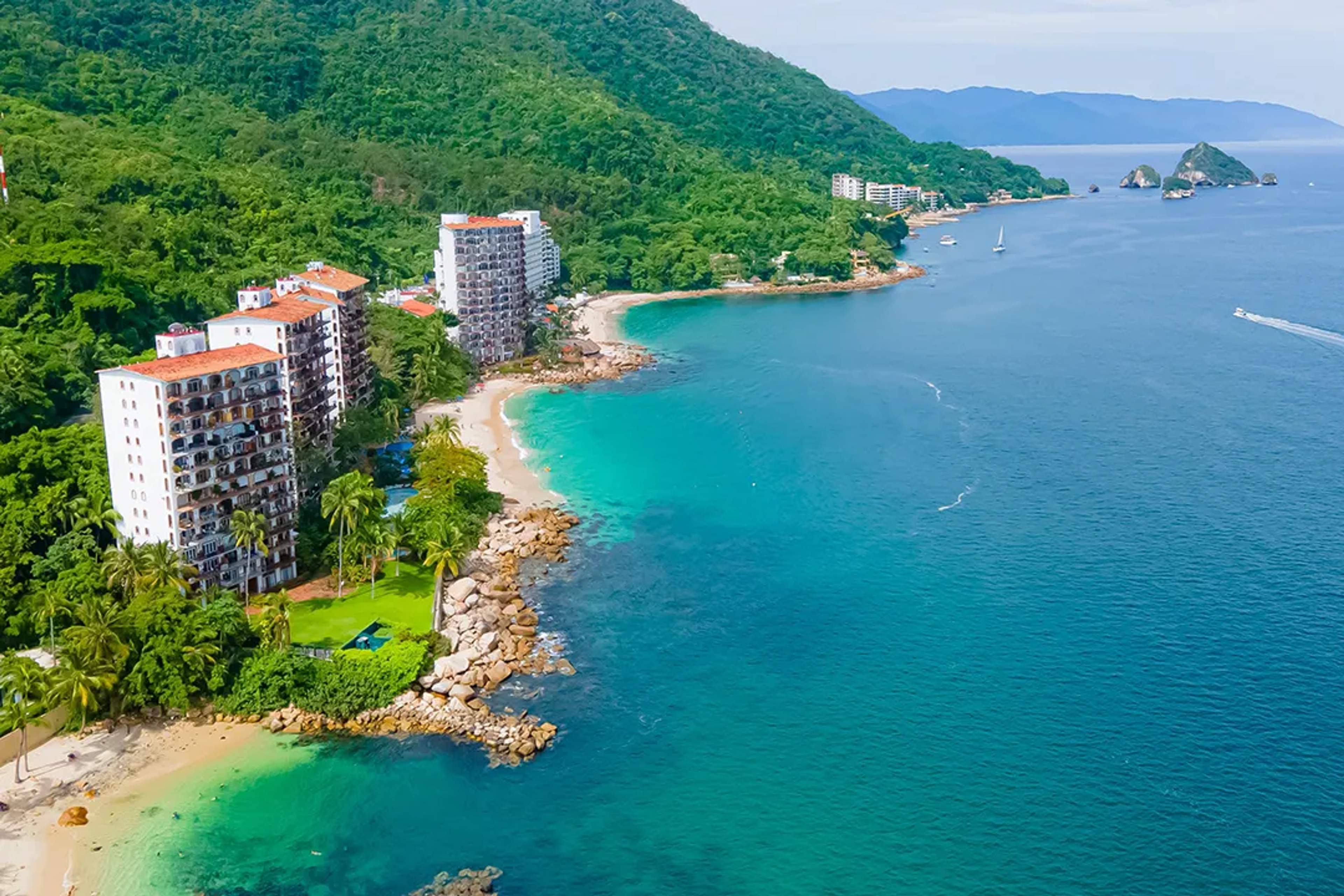
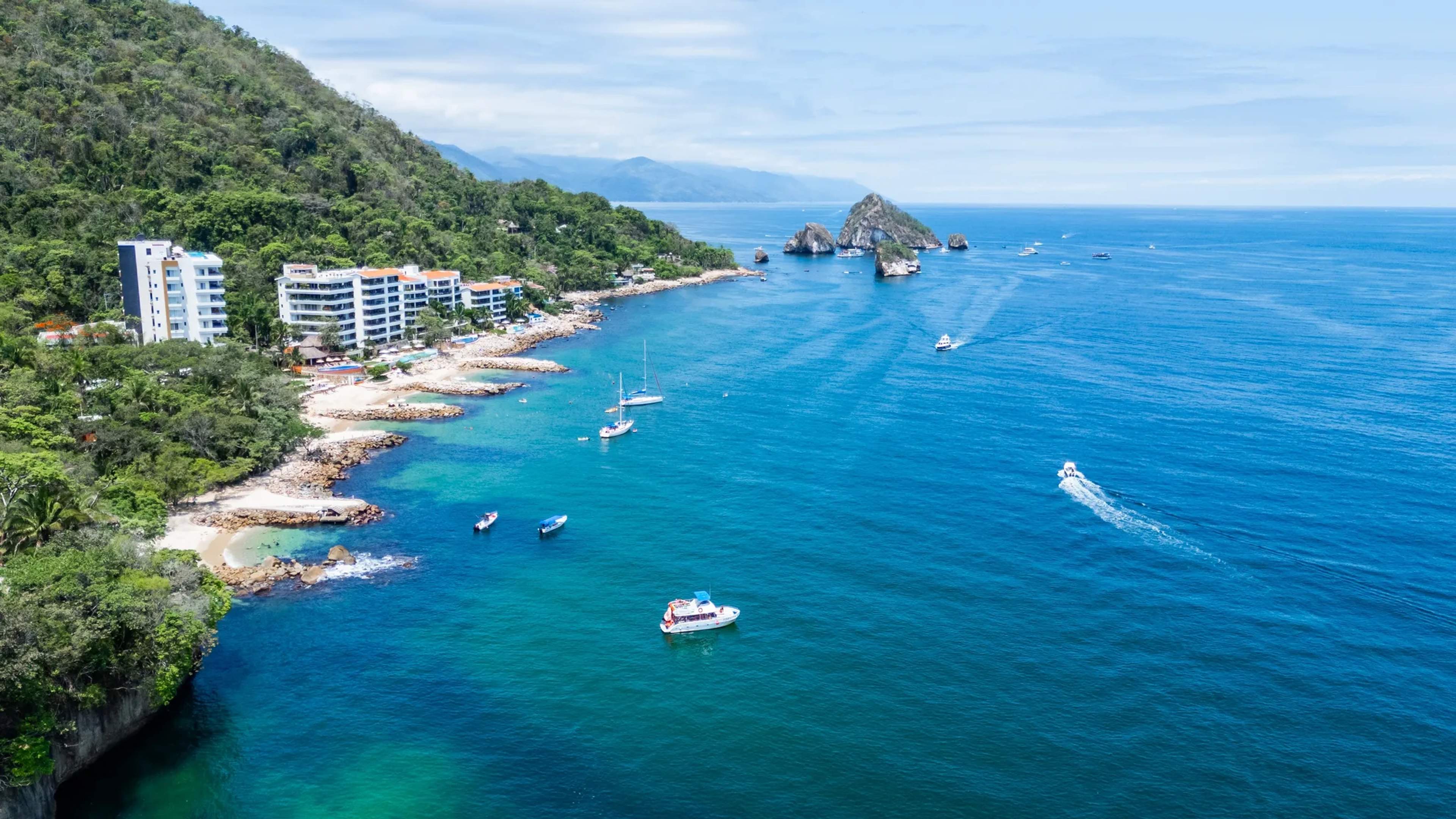
Once you've settled in, the next shift in perspective comes from the bay itself. Puerto Vallarta reads differently from offshore, with the Sierra Madre foothills rising behind a coastline that finally makes sense as a single living arc.
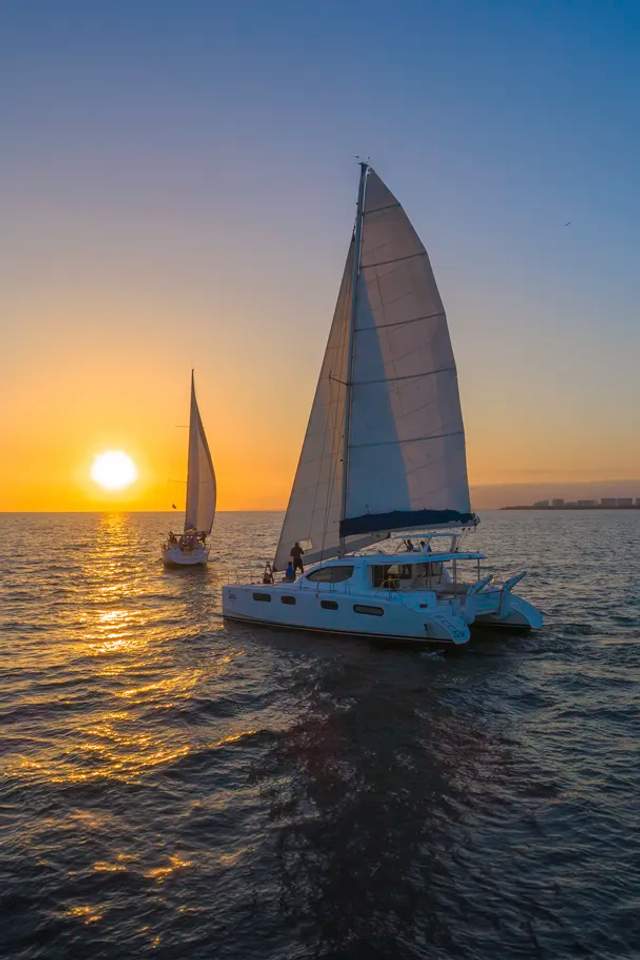
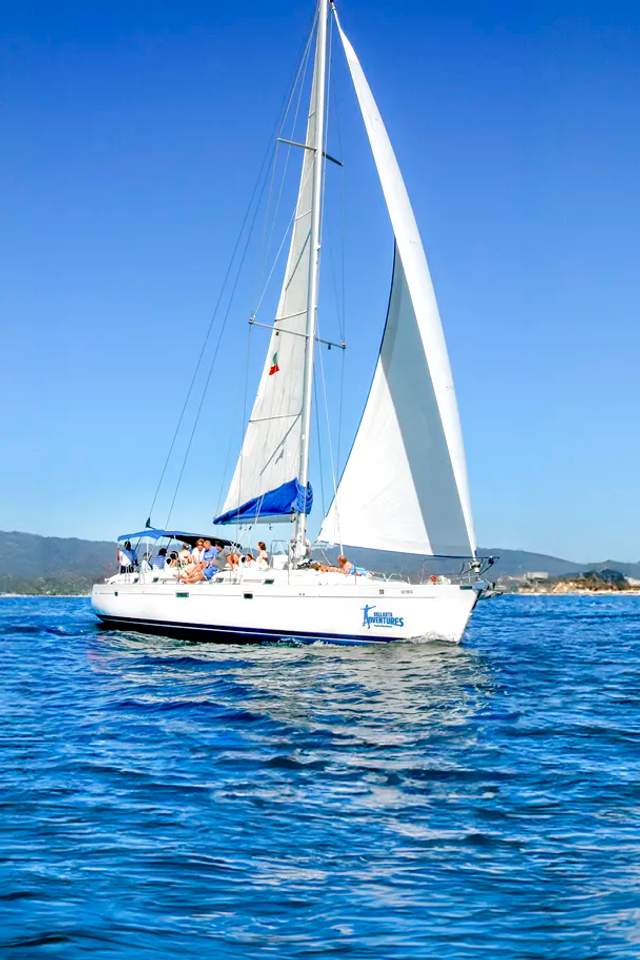
An evening on Banderas Bay is also one of the easier things to plan when family and friends come to visit, which they will. The Puerto Vallarta Sunset Cruise is a small-group sail aboard French Beneteau sailboats or Leopard catamarans, with gourmet hors d'oeuvres, tapas, and a premium bar as the Sierra Madre turns gold behind the skyline. From mid-December through late March, grey and humpback whales pass through the bay, and sightings from the deck are common.
Frequently Asked Questions
Is Puerto Vallarta safe for expats?
Puerto Vallarta is generally considered one of the safer destinations in Mexico for long-term foreign residents, with most expat neighborhoods feeling calm day and night. As anywhere, common sense applies. Stick to well-lit streets at night, use authorized taxis or rideshare after dark, and get to know your block. Most long-term residents report feeling comfortable going about daily life without issue.
Can foreigners buy property in Puerto Vallarta?
Yes, though coastal property works a little differently. Because Puerto Vallarta sits within Mexico's restricted zone (within 50 km of the coast), foreigners typically purchase through a bank trust called a fideicomiso or through a Mexican corporation. Both are well-established legal structures. A local real estate attorney is worth the fee to walk you through the specifics before signing anything.
Do you need a car to live here?
Not necessarily. If you base yourself in Zona Romántica, 5 de Diciembre, or anywhere central, you can live comfortably on foot, by bus, and with the occasional rideshare. A car becomes more useful if you're in Marina Vallarta, Nuevo Vallarta, or if you plan regular trips to Sayulita, San Pancho, or the Sierra Madre. Many expats wait six months before deciding.
How long does the residency process take?
Expect the full process to span several weeks to a few months depending on your consulate and local workload. You'll start with the consulate appointment in your home country, then finalize paperwork at the INM office in Puerto Vallarta within 30 days of arrival. Hiring a local facilitator can shorten the in-person bureaucracy considerably.
Do expats pay taxes in Mexico?
It depends on residency status and income source. Becoming a permanent resident or spending more than 183 days a year in Mexico can trigger Mexican tax obligations, and U.S. citizens continue to file with the IRS regardless of where they live. We recommend consulting a cross-border tax professional before your first full year, since the rules around foreign income, capital gains, and property sales can get layered.
Can I bring my pet?
Yes. Mexico has a straightforward pet import process for cats and dogs, generally requiring a recent veterinary health certificate and proof of current vaccinations. Rules are updated periodically, so confirm current SENASICA requirements close to your travel date. Most airlines flying into PVR accept pets with advance booking.
Is Puerto Vallarta welcoming for LGBTQ+ residents?
Yes, and notably so. Zona Romántica is home to one of Latin America's most recognized LGBTQ+ districts, with established community organizations, Pride events, and a social scene that runs year-round. Many long-term residents cite this as a primary reason they chose PV over other Mexican destinations.
When is the best time of year to arrive?
November through early December is a popular window. The weather is comfortable, the social season is picking up, and you'll have time to settle in before the busiest months. Arriving in summer is doable but means adjusting to heat, humidity, and a quieter social calendar at the same time you're handling paperwork and housing.
Can I work remotely from Puerto Vallarta legally?
For short stays on a tourist permit, remote work for a foreign employer is a common gray area that many digital nomads operate within. For anything longer or more formal, temporary residency is the cleaner path. If you plan to earn income from Mexican clients or run a Mexican-based business, you'll need the appropriate residency status and tax registration.
Where can I get reliable local information once I arrive?
Start with the International Friendship Club for in-person community, and active online expat groups for day-to-day practical questions. For understanding the wider region early on, we also recommend joining a guided day out like the Pueblos Culinary Tour or a trip to San Sebastian del Oeste. Both help you understand the geography and culture beyond your immediate neighborhood.