Yes, Puerto Vallarta has sharks. They were here first, after all, so think of us as the guests dropping by their neighborhood.
Travelers ask us this question for opposite reasons. Some hope to swim with sharks and want to know where the odds are best. Others hesitate before walking into the ocean, unsure what swims beyond their resort. We work year-round. Sharks live here. The species you might realistically meet close to shore are harmless or shy.
Shark Safety in Banderas Bay
Puerto Vallarta beaches are inside Banderas Bay, a horseshoe wrapped by land on three sides and open to the Pacific at its mouth. Researchers with the Proyecto Tiburones de Bahía de Banderas have documented 18 shark species in the bay. No swimmer has ever been attacked in this bay. Shark attacks have been unheard of here for several decades, and no attack has ever been confirmed anywhere in Banderas Bay.
Mexico recorded no confirmed unprovoked bites in the most recent Shark Attack File annual summary. The fatal attack happened at Bahía de Melaque, southeast of here and outside Banderas Bay.
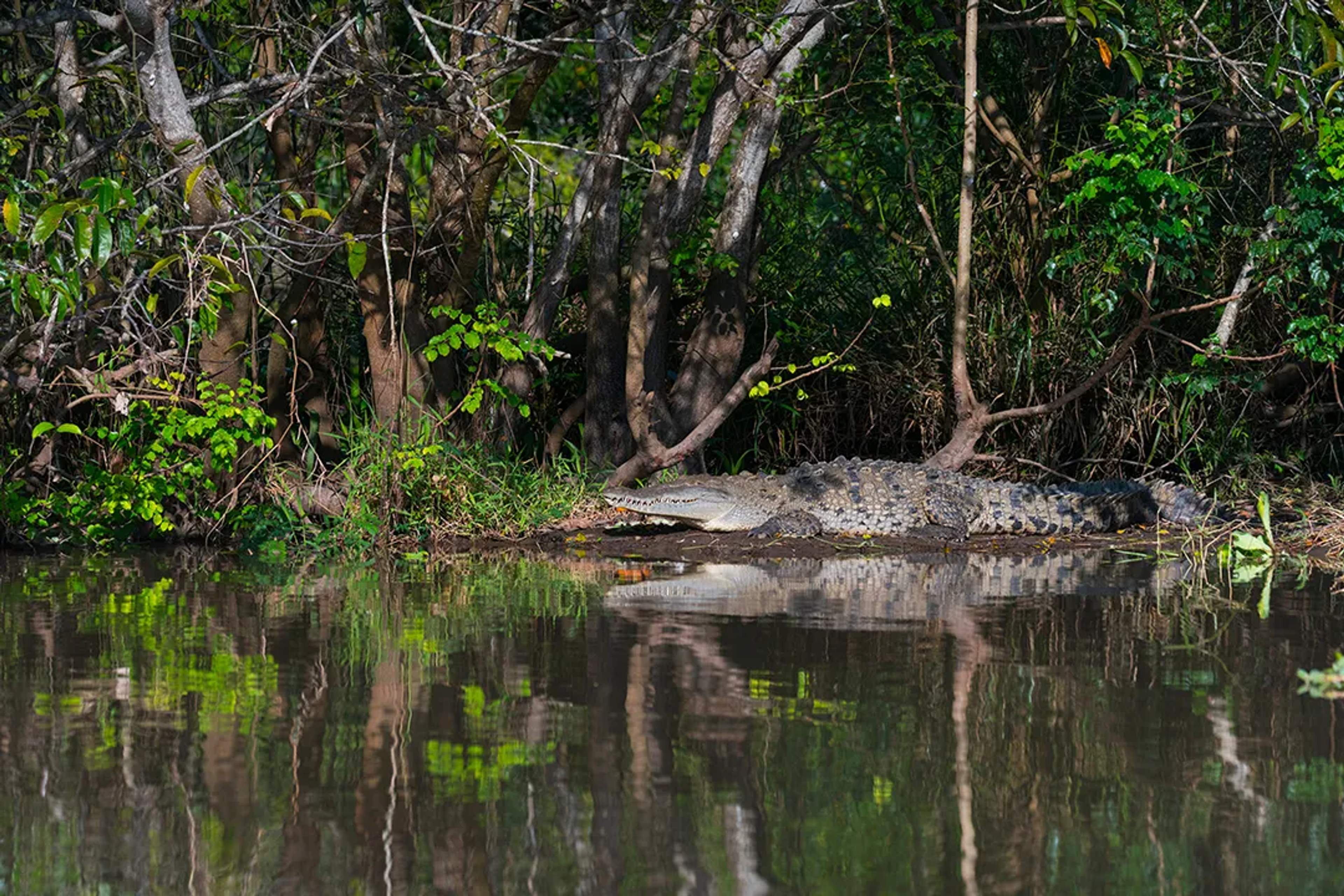
Crocodiles Are the Real Local Wildlife to Plan Around
Crocodiles are the local wildlife you need to plan around here. American crocodiles live in the estuaries and river mouths around the bay and risk concentrates where freshwater meets the sea, around Boca de Tomates, the Ameca River mouth, the El Salado Estuary and the marina district.
A crocodile was involved in a fatal incident near the marina, which is why Protección Civil routinely raises purple and red flags at those beaches. The Jalisco Alerta app provides crocodile-sighting alerts. Read the flag and stay out of the water at river mouths.
Where to Spot Sharks in Puerto Vallarta
If you want a chance at seeing one, snorkel the rocky reefs at the bay's quieter edges rather than the sand in front of your hotel. Fish life, and any slim chance of a shark sighting, concentrates there.
Majahuitas and the other coves along the southern shore are away from the estuaries and river mouths, where crocodile risk is lower. Even there, shark sightings while snorkeling remain uncommon.
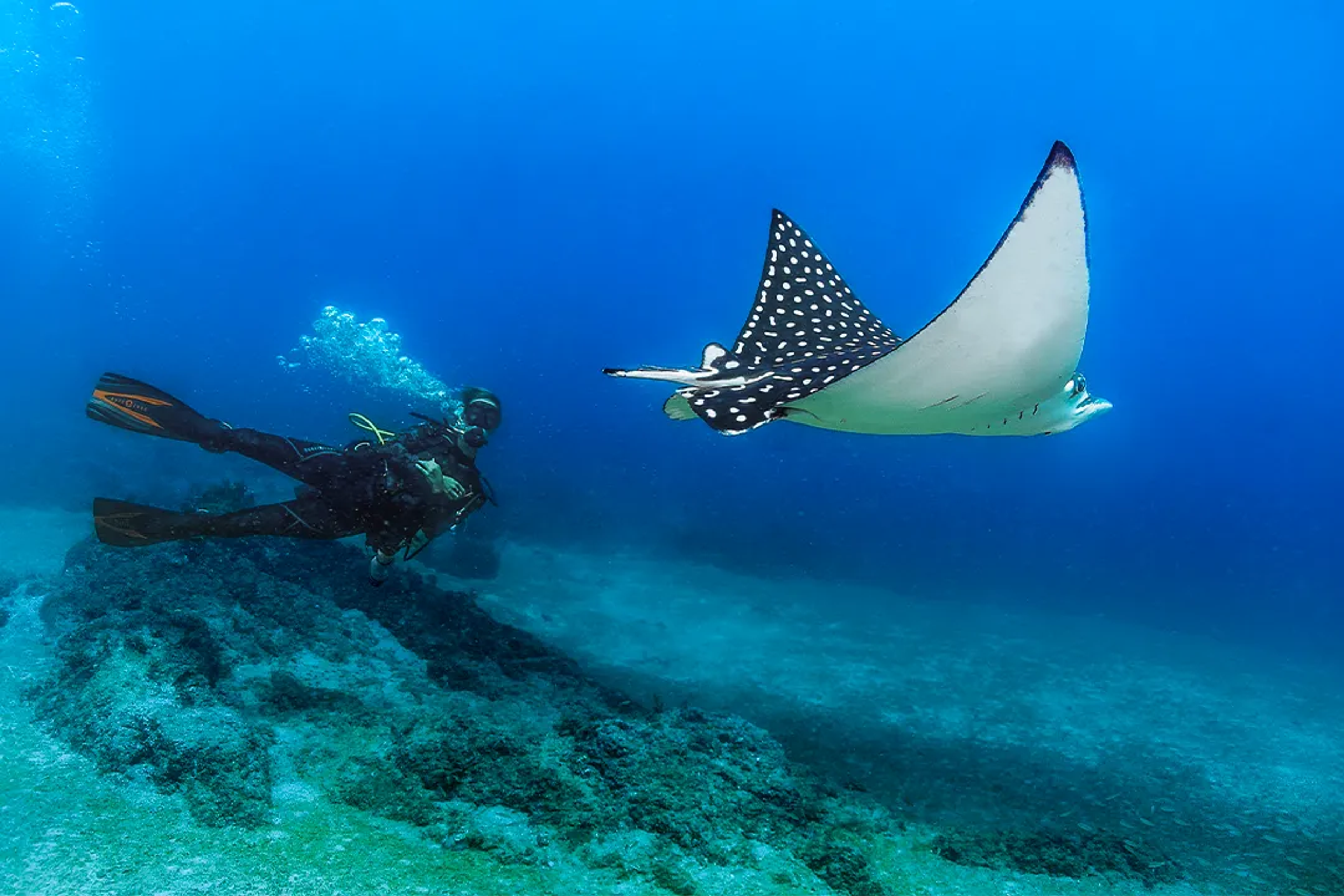
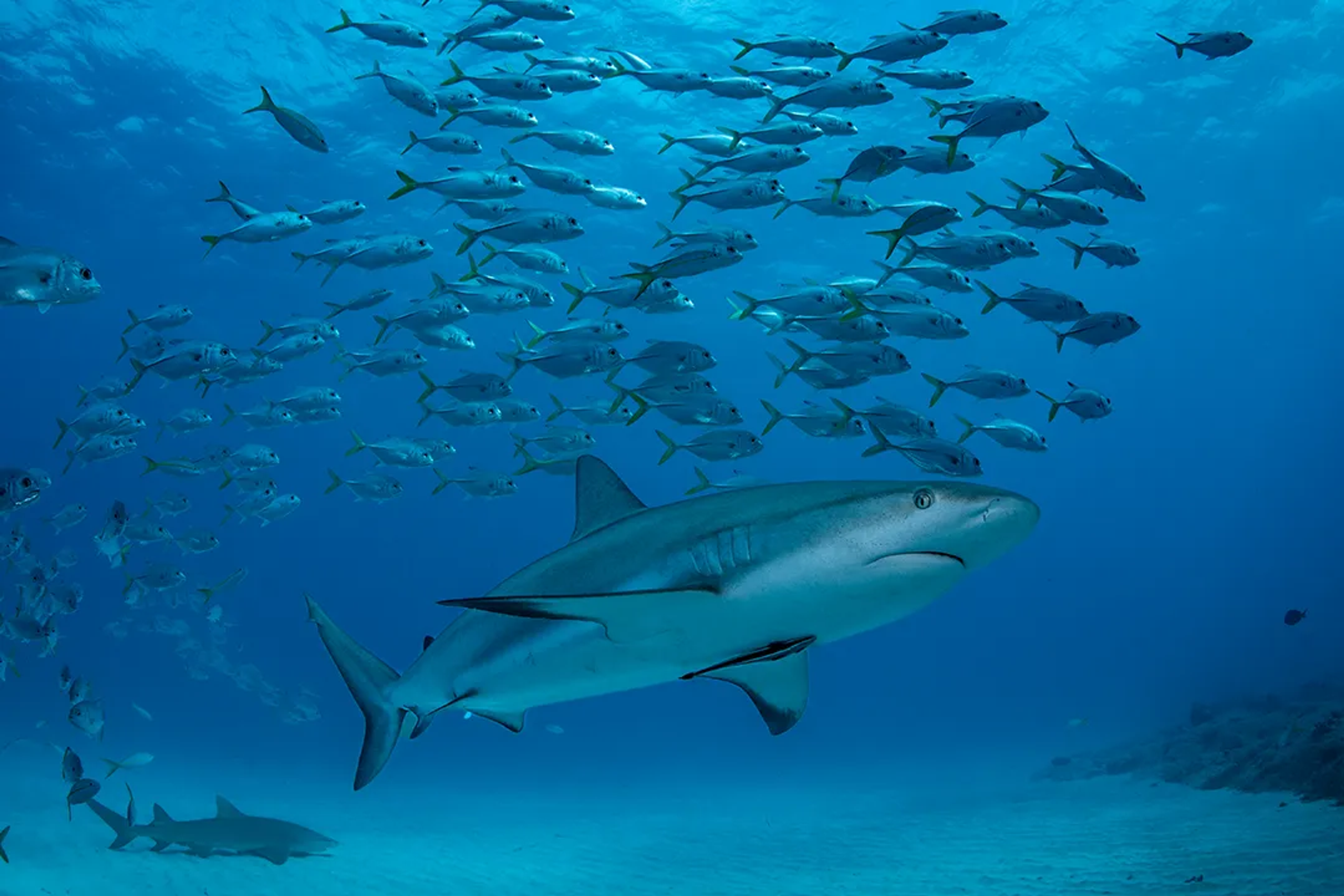
If you want the best odds, look to the deeper areas of water at the bay's outer limits. El Morro, a cluster of rock pinnacles six miles west of the Marietas Islands on the northern edge of the bay, bottoms out at 131 feet, and its currents pull in giant Pacific manta rays, schools of jacks, tuna, and occasionally sharks. A chimney cavern opens at 100 feet and exits at 55.
The seabed drops away sharply along the southern shore, while the resort beaches line the shallow, sandy eastern and northern arc.
What Types of Sharks Live in Puerto Vallarta?
The species researchers have named are largely offshore or deep-water, and only a handful live in water a snorkeler or diver would enter. Here is a breakdown of the ones you might hear about, from the harmless giants to the shy reef dwellers.
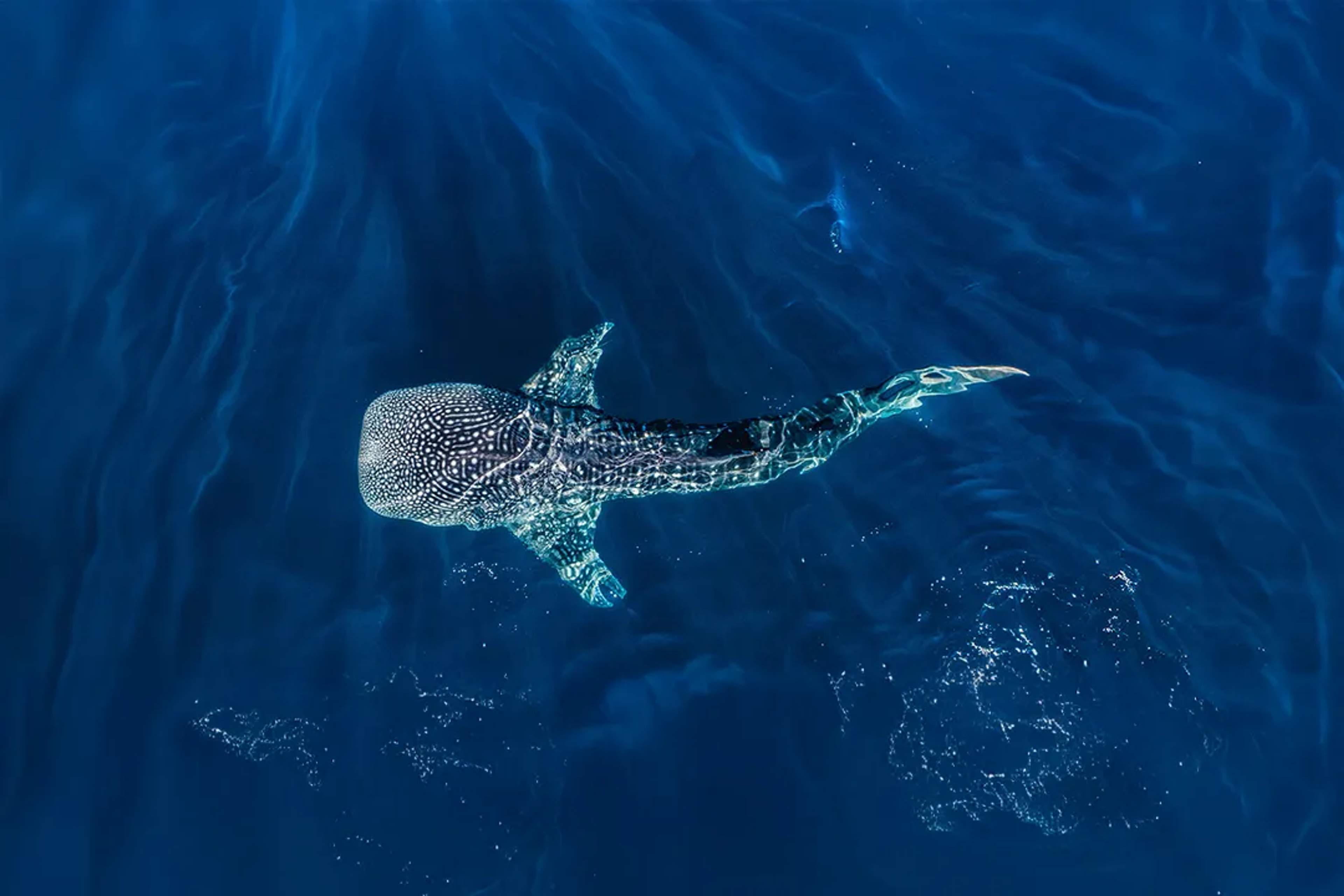
Whale Sharks
The whale shark is on the documented species list, a plankton-eating filter feeder that poses no threat to swimmers or divers. Regional sighting windows range from May to September and from November to April, so treat any season as approximate.
Silky Sharks, Hammerheads, and Tiger Sharks
Newborn and juvenile silky sharks have been documented in the bay, part of why Banderas Bay is recognized as an Important Shark and Ray Area. Hammerheads and tiger sharks appear on the research list too, but they are seen farther from shore around deep-water structure, not off the swimming beaches.
Nurse Sharks
Of all the species here, divers are most likely to see the nurse shark. Realistic sightings happen at the outer-bay reef sites, not off the swimming beaches. It spends much of the day motionless on the bottom, in shallow sandy water or tucked into a reef crevice. The species is listed as Endangered.
Pacific nurse sharks grow up to 10 feet in length, hunt at night, and vacuum up lobsters, crustaceans, and squid off the bottom. They usually swim away when approached, but they will defend themselves if stepped on or grabbed, and their bite grips with surprising force. If one does bite, do not pull away, because the jaws can lock.
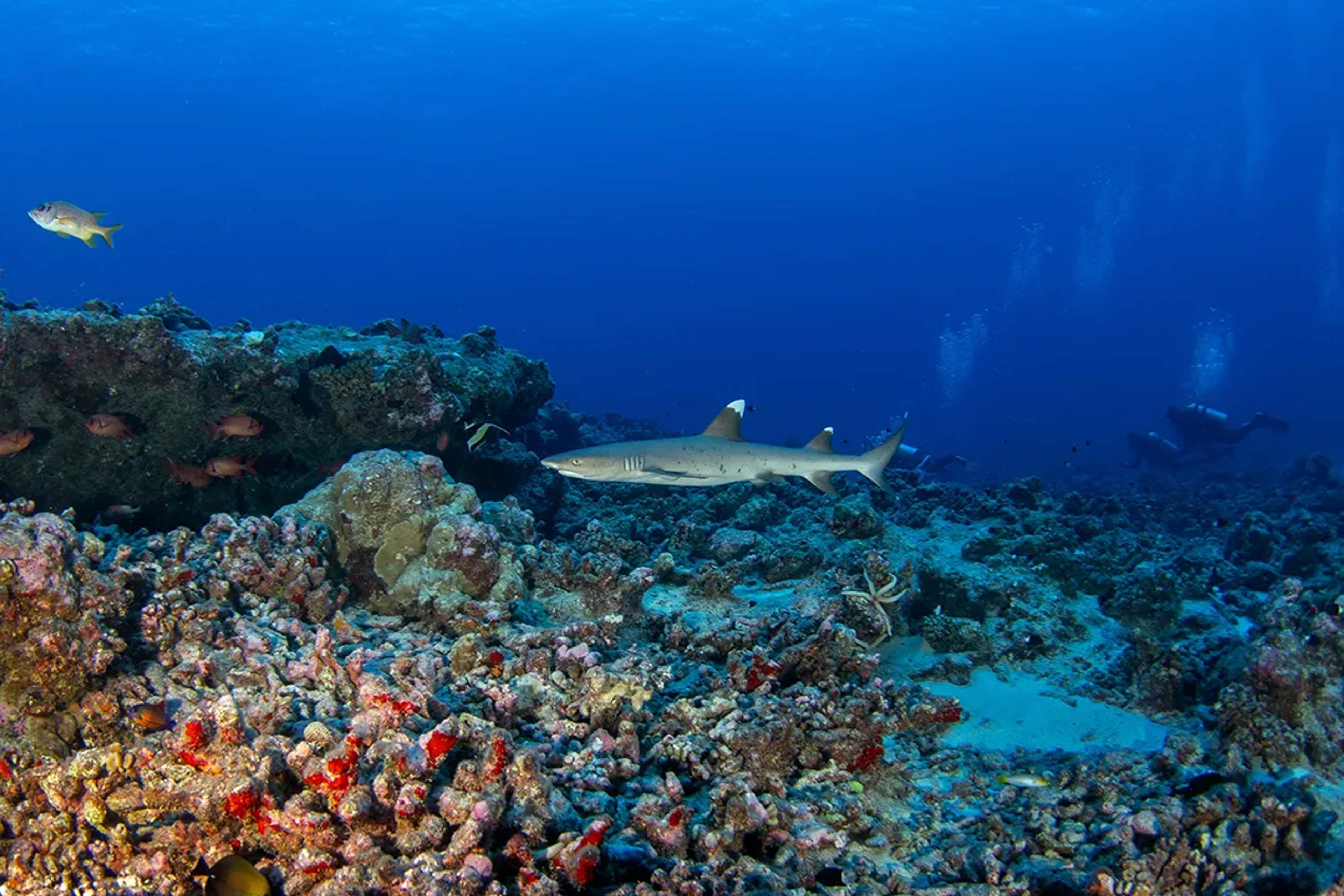
Whitetip Reef Sharks
Whitetip reef sharks have white tips on their dorsal, pectoral, and tail fins. They are more dangerous than nurse sharks, opportunistic and aggressive, though snorkeling encounters are uncommon. The same shark holds the same cave or crevice by day and hunts over the reef after dark. They prefer deeper, cooler water farther out, making sightings inside Banderas Bay exceptional.
How to See Sharks in Puerto Vallarta
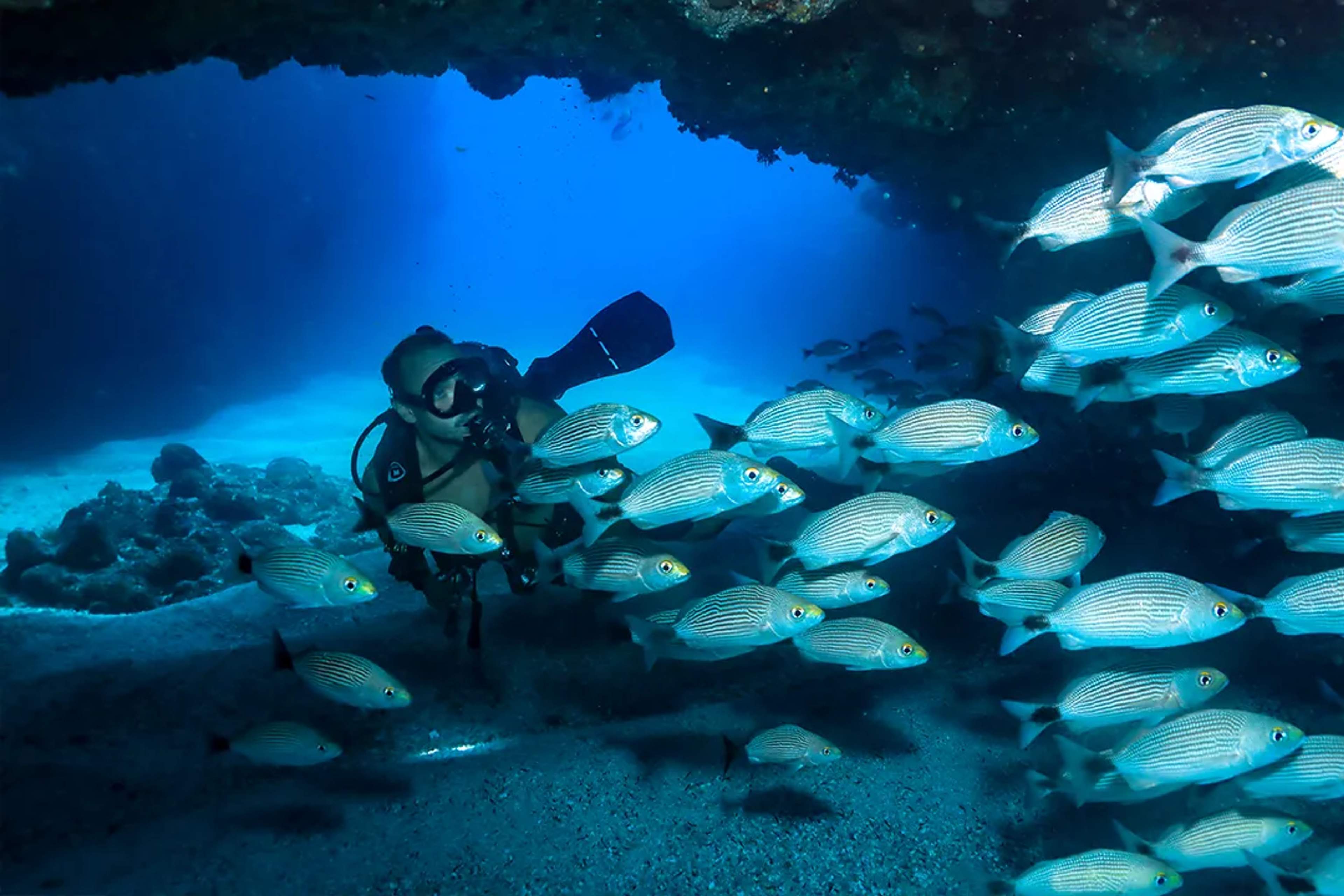
At Vallarta Adventures, we never promise shark sightings, because wild animals keep their own schedule. The best odds come from scuba diving. Los Anegados, a submerged reef halfway between El Morro and the Marietas Islands, is where nurse sharks are frequently found at about 60 feet.
Open-water shark diving in the bay means this reef is an advanced dive rather than a beginner one. The reef is about 90 minutes from Puerto Vallarta by boat, and outings often pair two different locations, with Anegados dived as a second tank after El Morro.
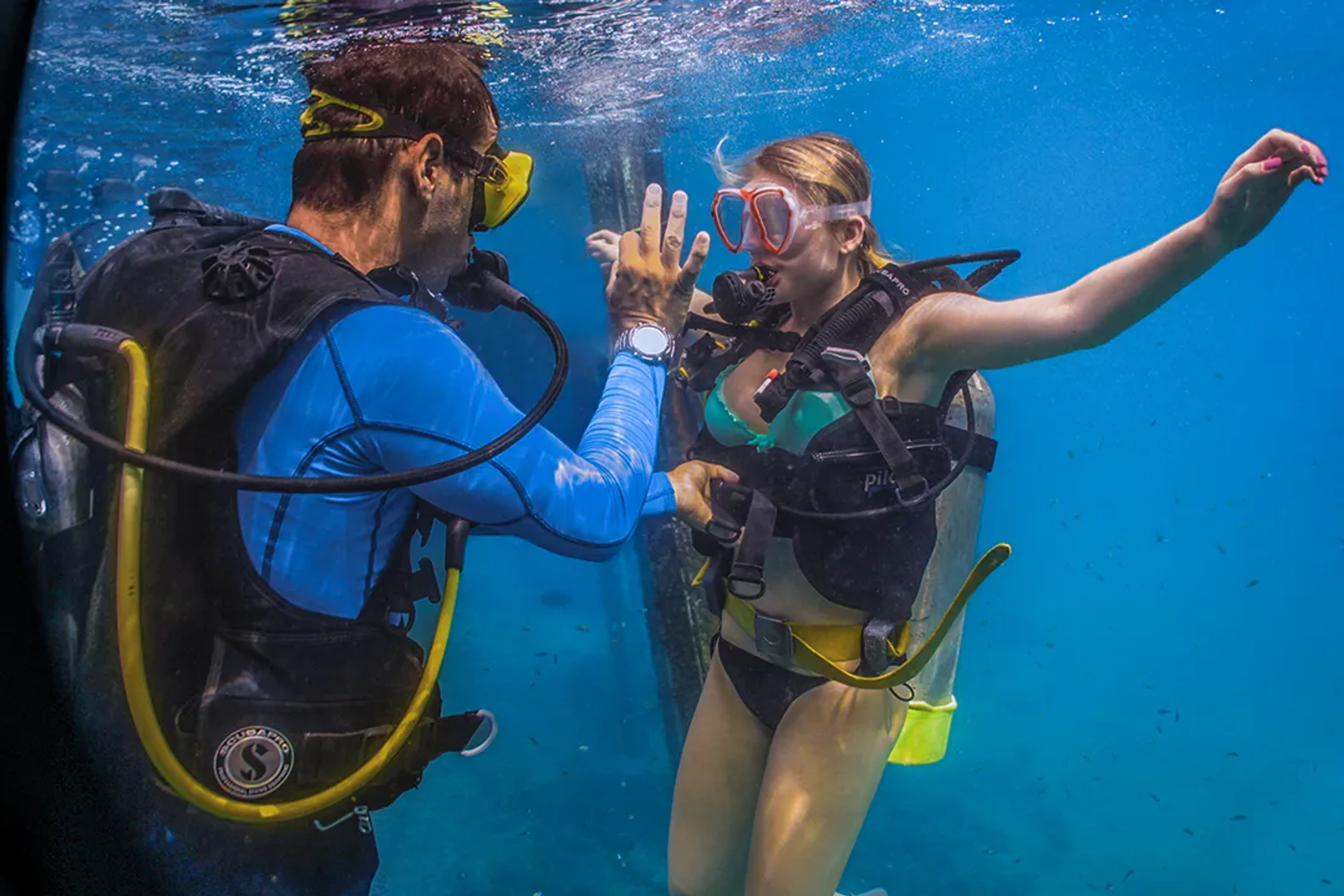
An Open Water certification covers dives to 60 feet, while the sites where sharks appear most often call for an Advanced credential rated to 100 feet. These trips are built for experienced divers, since the sites are deep and the currents are frequent and variable, so you need to be comfortable in moving water. Descents follow a rope line, and reef hooks help divers hold position.
Once you are certified, the northern-shore sites are the ones worth building a day around. Whatever you book, safety is our number one concern. We provide the gear and the guides for every diving, snorkeling, and swimming adventure we run.
Best Tours for Sea Lovers in Puerto Vallarta
If the ocean is what brings you to Puerto Vallarta, these tours put you right in the middle of it, from calm snorkeling coves to deep-water dive sites where sharks and manta rays cruise by.
El Morro Scuba Diving takes certified divers through tunnels, caves, and deep walls dressed in delicate sea fans, on two-tank dives. You may see nurse sharks and manta rays, and groups stay small.
Punta Mita Scuba Diving Adventure puts certified divers on the shark sites. The trip visits the Marietas Islands, Anegados Reef, and El Morro with a 5-Star PADI Dive Center, and groups stay small.
Luxury Yacht & Snorkeling crosses the bay on a Leopard catamaran to snorkel at Majahuitas, one of the quieter corners of Banderas Bay, with a small group and premium open bar on board.
PADI Advanced Open Water Certification is the credential the deep sites ask for. The course includes five Adventure Dives, including Deep and Underwater Navigation. Those dives build the planning skills that El Morro and Anegados demand.
Ready to get in the water? Explore all our tours and find the one that fits your trip.
Frequently Asked Questions
Which Puerto Vallarta beaches are calmest for swimming?
The beaches along the hotel zones are shallow and sandy, and the bay's enclosed shape keeps wave action soft, so most days the water is calm enough for easy swimming. Several beaches carry Blue Flag certification and are watched by lifeguards. The southern coves sit away from the river mouths.
Read the beach flags at the lifeguard stand before you get in. Green means calm water, yellow caution, red closed, and purple warns that wildlife has been seen nearby.
Are there great white sharks in Puerto Vallarta?
No. Great white sharks are a temperate-water species, and their documented Pacific range runs from Alaska to the Gulf of California. The warm tropical shallows here sit outside the documented white shark range, and great whites are not documented in this bay.
The nearest known aggregation site is an island far off the Baja coast, nowhere near a Puerto Vallarta day trip. The sharks divers plan for here are nurse sharks resting at the outer reefs.
Are there crocodiles at Puerto Vallarta beaches?
Yes. American crocodiles live in the estuaries and river mouths around the bay. Urban growth has shrunk that habitat, so the animals sometimes move between waterways through the sea, and sightings cluster wherever fresh water meets salt.
Swim at the guarded hotel-zone beaches or the southern coves rather than river mouths and estuary-adjacent stretches, and check the flag at the lifeguard stand before you enter. Never approach a crocodile for photographs, and report any sighting to Protección Civil.
What should I do if I see a shark while snorkeling or diving?
Enjoy it. The species you could realistically meet are mainly nurse sharks; whitetip reef sharks are rare. Nurse sharks are generally not aggressive, and whitetips are uncommon near the bay. Stay calm, keep your movements smooth, and watch from where you are rather than closing in.
Do not touch, chase, or corner a shark, and never disturb one resting on the sand or inside a cave, since bites are rare and usually follow contact or disturbance. Never take part in shark feeding. If a shark ever behaves assertively, back up against the reef and ascend gradually with your buddy.
What other marine life should I watch out for?
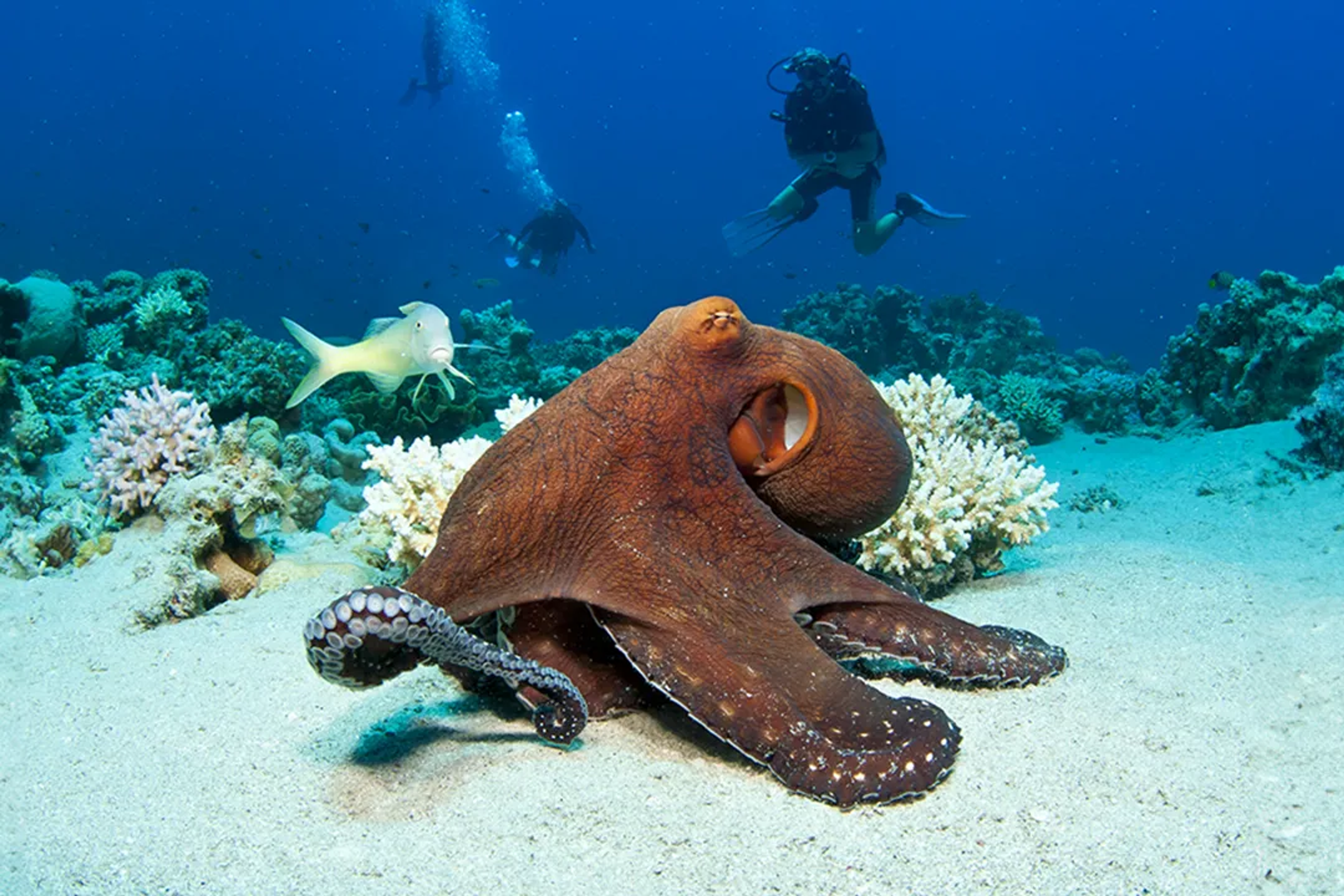
Stingrays rest in shallow sandy water right where people wade in, and most injuries happen when you step on one. Use the stingray shuffle, sliding your feet along the bottom instead of stepping down, so the rays feel you coming and move off before you reach them.
If jellyfish or Portuguese man-of-war turn up in the bay, remember that man-of-war tentacles sting even after the animal washes ashore, so leave beached ones alone. If you get stung, get out of the water, lift tentacles away with a towel rather than rubbing them, flush the area with seawater rather than fresh water, and then soak the sting in water as hot as you can comfortably tolerate.