Mexico is one of the most visited countries in the world, and we understand why travelers keep coming back. You can spend one trip on Pacific coastlines and boat-only beaches, then come back for highland cities, art-filled streets, and ancient ruins surrounded by jungle.
We put together this guide to help you narrow down the destinations that fit the way you actually like to travel. Some places are best for culture and city days. Others are better for ocean time, guided outings, or a few days well beyond the resort zone.
1. Puerto Vallarta, Where the Mountains Meet the Bay
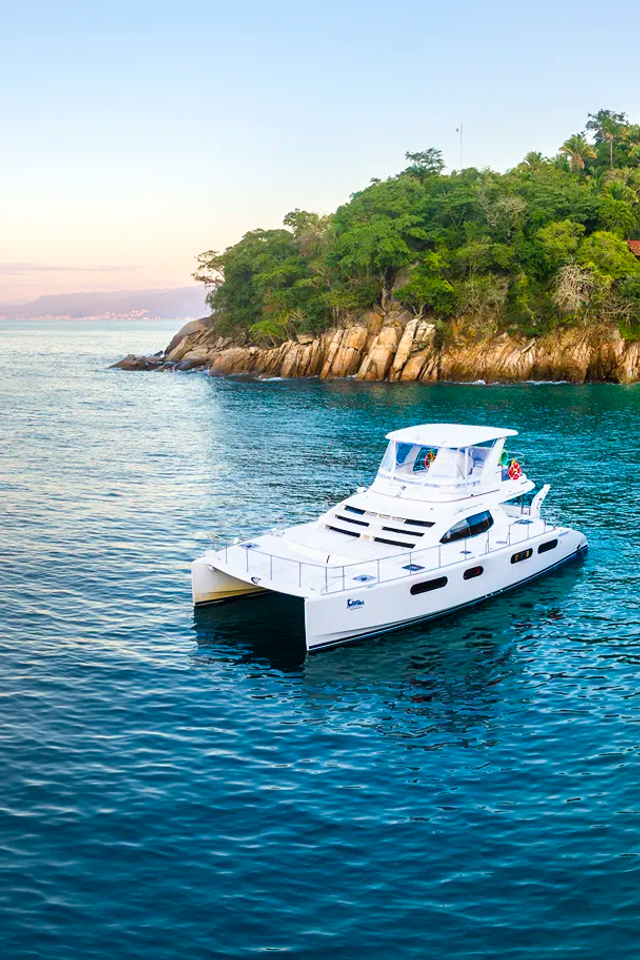
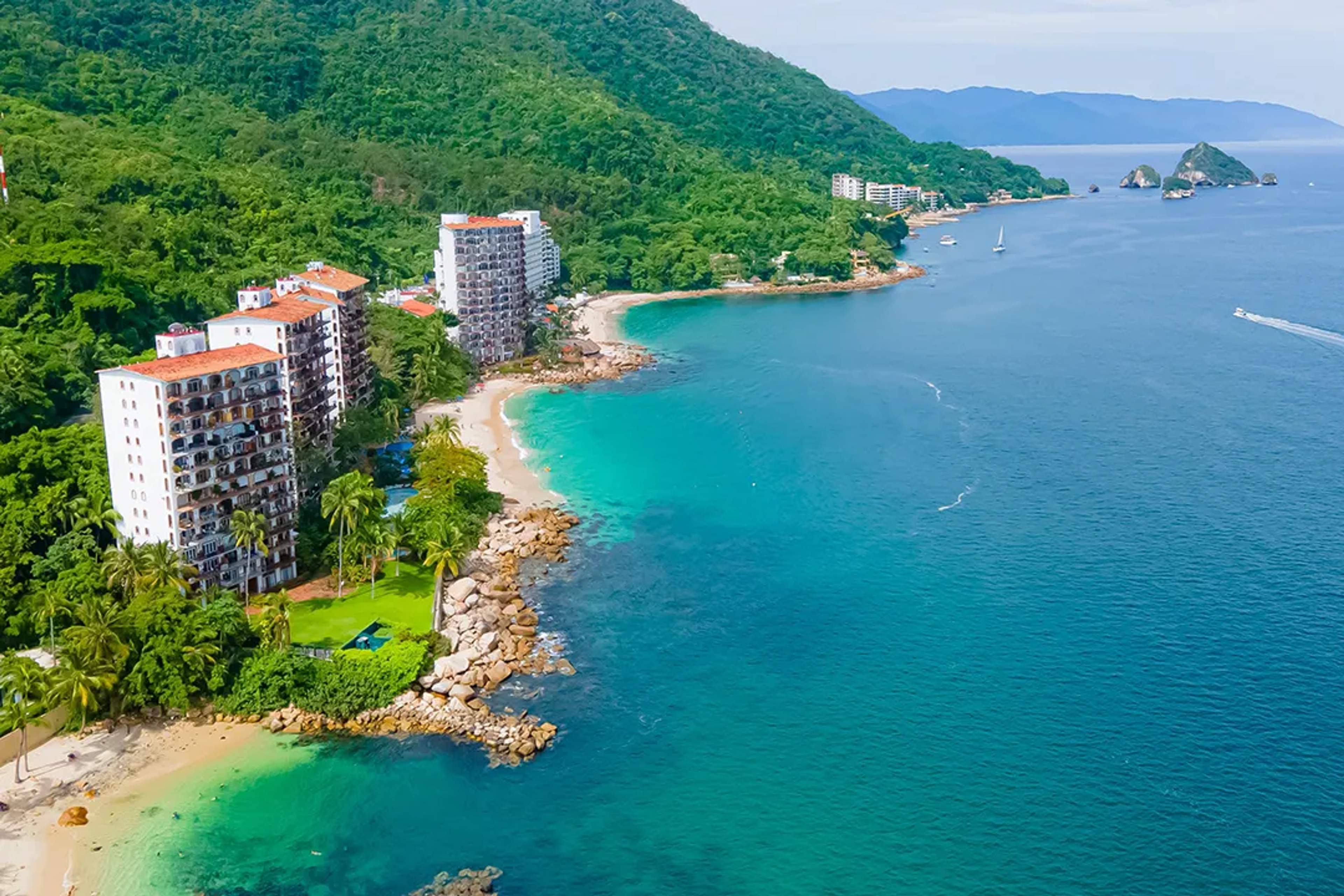
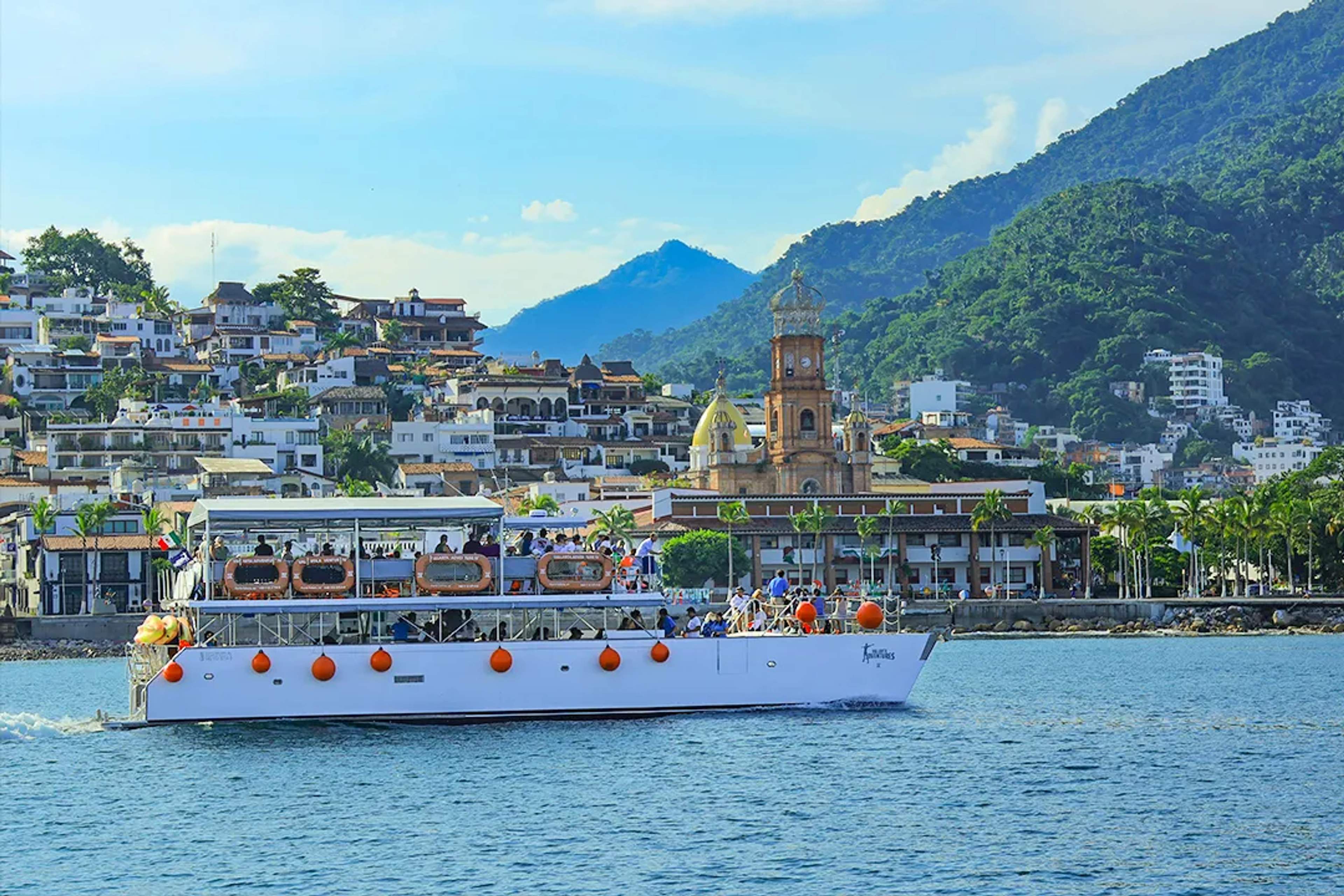
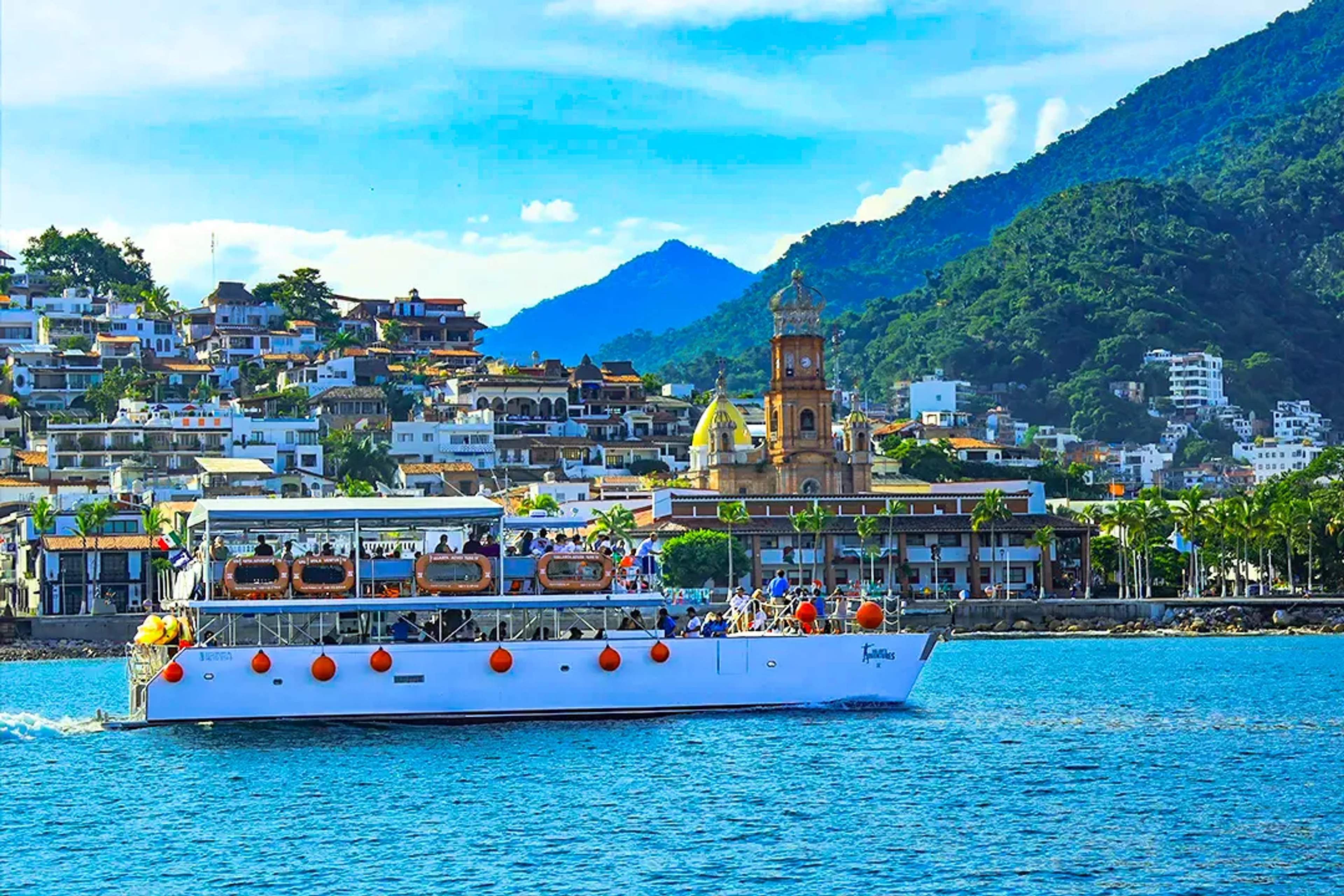
Puerto Vallarta sits where the Sierra Madre mountains meet Banderas Bay, one of the largest bays in the world. In one day, you can go from jungle zip line fun to whale watching, snorkeling, or scuba diving.
The Malecón runs along the waterfront with public sculptures and street performers. In Zona Romántica, cobblestone streets lead to artisan shops and cafés serving local flavors.
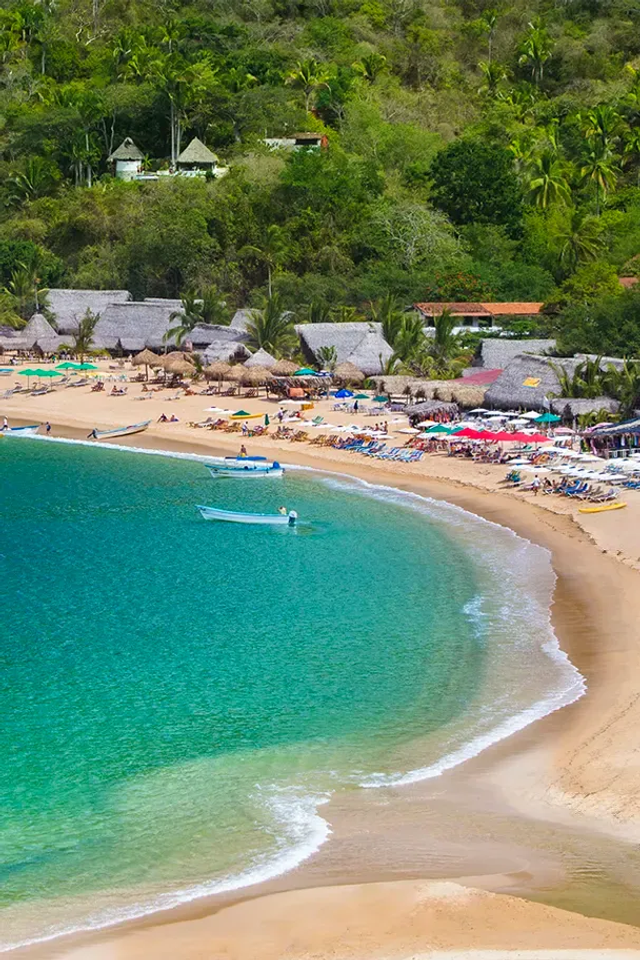
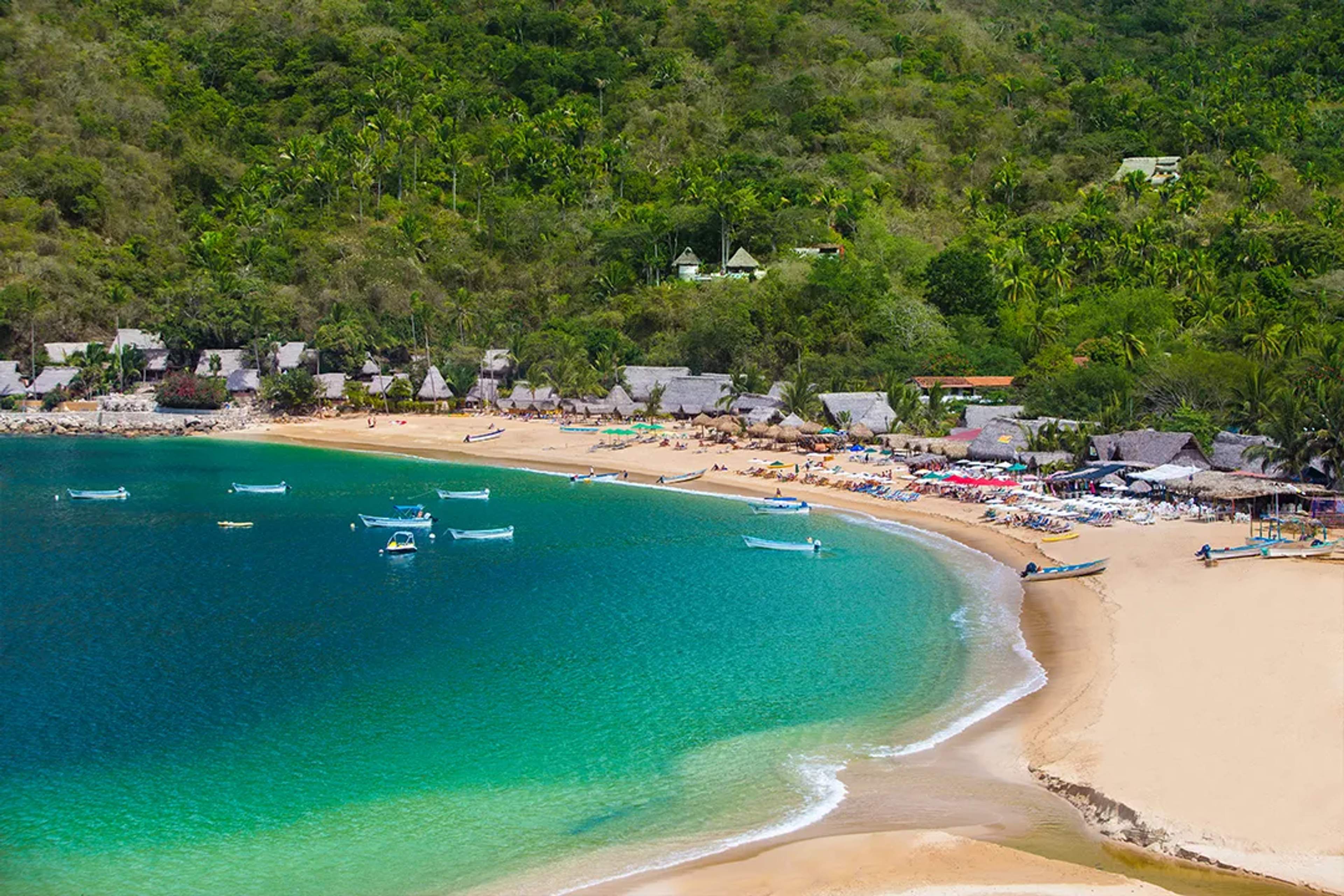
Banderas Bay hosts humpback whales from December through March. Boat-access villages like Yelapa and Quimixto give you a closer look at coastal life, and a horseback ride along the river is a relaxed way to take it in.
Best for: active travelers, couples, families, and LGBTQ+ travelers. June through October brings greener scenery and lower rates. December through April brings calmer seas and peak whale watching.
2. Sayulita's Surf Culture and Pueblo Mágico Charm
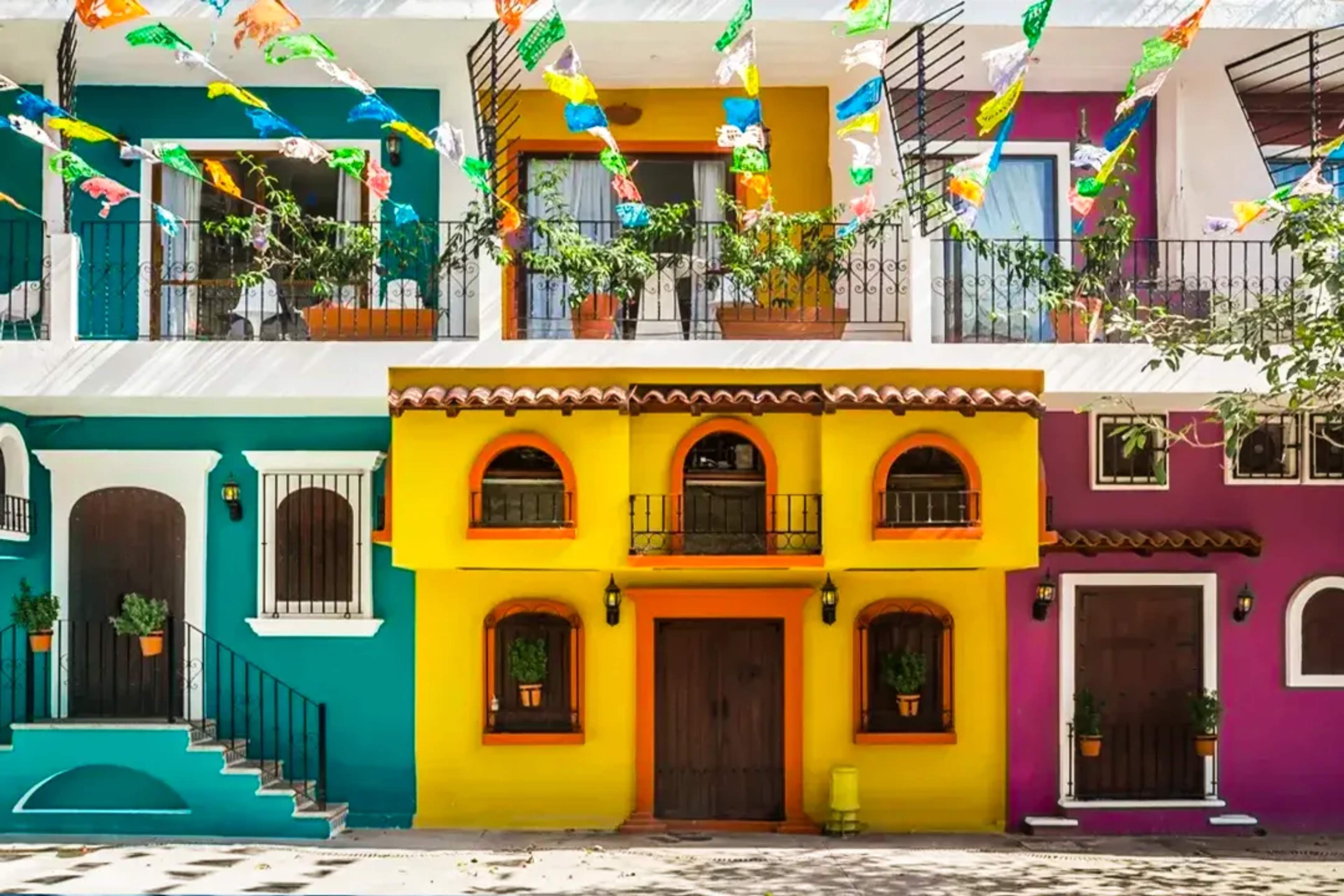
About 25 miles north of Puerto Vallarta, Sayulita has Pueblo Mágico status for its mix of bohemian surf culture, Huichol heritage, and colorful village character. Beginners catch their first waves here, while artisan galleries, open-air cafés, and street art give the town its own rhythm.
A Sayulita tour is a good way to understand the creative side of Riviera Nayarit with more local context. Yoga studios and healthy eateries add to the laid-back feel that keeps travelers coming back.
Best for: surfers, couples, friend groups, and travelers drawn to artistic beach towns.
3. Mexico City Has More Than You Can See in One Trip
Mexico City has 100+ museums and enough neighborhoods to fill weeks of exploring. We would start with the Zócalo, a walk along Paseo de la Reforma, or an afternoon at the National Museum of Anthropology. Chapultepec Castle gives you city views from the middle of a vast urban park, and the canals of Xochimilco make for a colorful afternoon on traditional trajineras.
Food is a major reason to come. From street tacos to fine dining, the range here is extraordinary.
Best for: culture lovers, food travelers, solo explorers, and anyone who wants city energy with deep historical roots.
4. Oaxaca's Living Traditions and Bold Flavors
Oaxaca brings together Indigenous Zapotec culture, colonial architecture, and some of Mexico's most distinctive food. Try mole negro, taste chapulines, or visit an organic cacao farm. Nearby Monte Albán shows the scale of Zapotec civilization.
The Guelaguetza festival in July celebrates Indigenous communities through music and dance. Día de Muertos, from late October into early November, brings parades and decorated altars across the city.
Best for: food travelers, cultural explorers, and anyone looking for a destination with real depth. Day trips to Puerto Escondido, about 45 minutes by small plane, add a beach and surf angle.
5. Cancún and the Riviera Maya Draw Millions for Good Reason
Cancún remains the gateway to the Caribbean coast, with turquoise water, pale sand, and easy access to sites like El Rey. Playa del Carmen offers a more walkable base with Fifth Avenue boutiques and restaurants. The Tren Maya now connects this corridor to inland stops like Valladolid and Bacalar, and the Tulum airport adds more direct access to the southern Riviera.
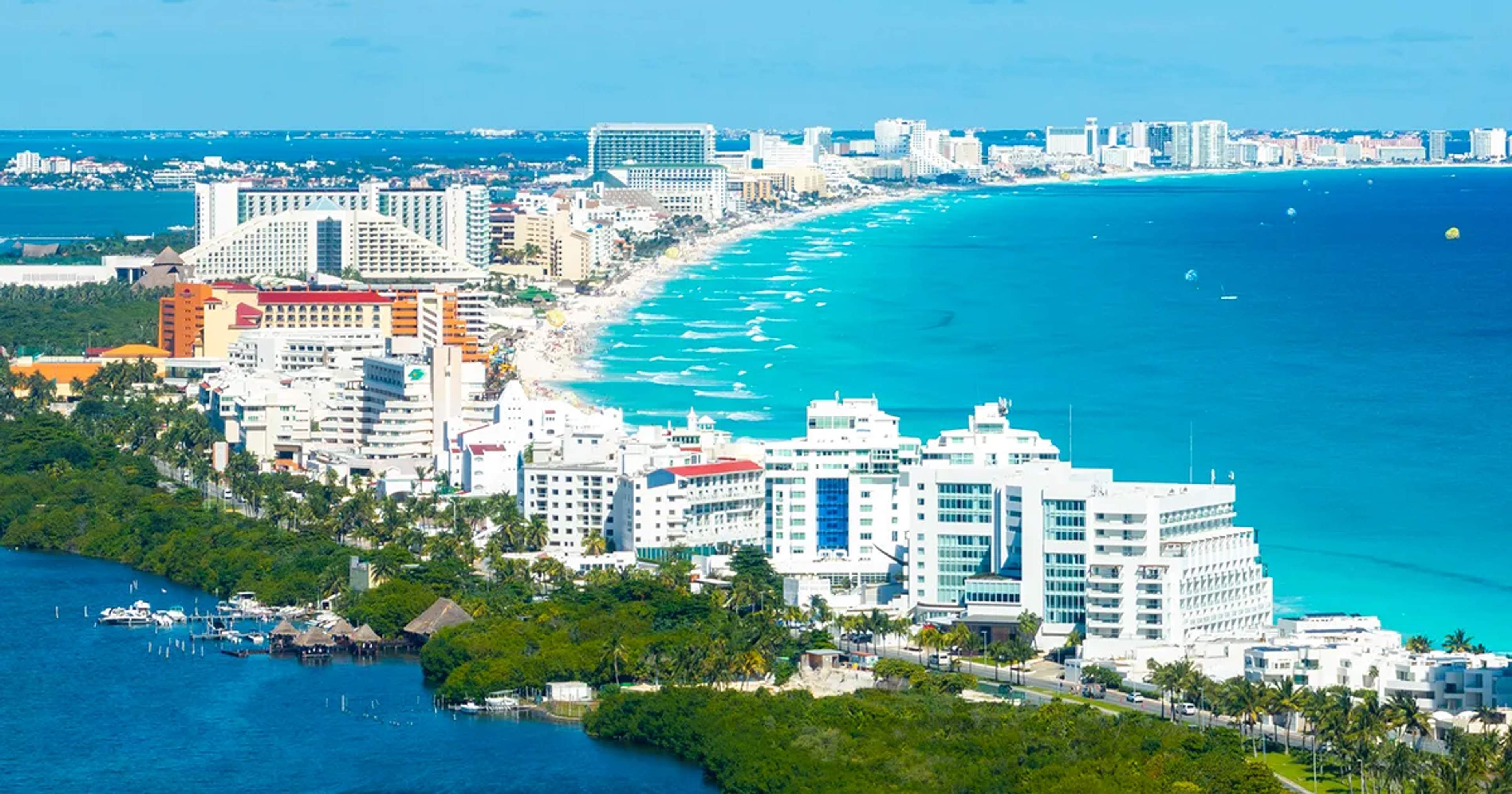
Best for: families, couples, and first-time Mexico visitors. November through April usually brings the driest beach weather. Mid-May through mid-September is whale shark season near Isla Mujeres.
6. Tulum and Its Ruins Above the Sea
Tulum's clifftop ruins above the Caribbean remain one of Mexico's most photographed sites. The town has leaned into an eco-conscious identity, and cenotes are a major part of the draw. These clear limestone sinkholes are scattered across the area, each with a different setting for swimming or diving.
We recommend getting to the ruins early for a cooler visit and more time around the site.
Best for: travelers who enjoy a mix of archaeology and nature.
7. Los Cabos, Where Desert Meets Ocean
At the southern tip of the Baja California Peninsula, Los Cabos pairs polished resorts with dramatic desert scenery. Cabo San Lucas brings nightlife and energy, while San José del Cabo offers art galleries, good places to eat, and a quieter pace. Golf courses by leading architects line the corridor, and the iconic El Arco rock formation is worth a boat ride.
Best for: couples, golf enthusiasts, and luxury travelers. Whale watching is strongest in January and February, though the landscape stands out year-round.
8. Chichén Itzá Reveals Ancient Maya Engineering
El Castillo, the towering pyramid at Chichén Itzá, draws visitors from around the world. The Temple of the Warriors and El Caracol show the Maya's advanced understanding of astronomy and architecture. During the spring and fall equinoxes, a shadow pattern creates the illusion of a serpent descending the pyramid staircase. We recommend arriving early for gentler temperatures and a smoother visit.
Best for: history lovers.
9. Mérida, the Yucatán's Cultural Heart
Mérida blends Maya and colonial heritage around Plaza de la Independencia. Evenings often bring live music and folk dancing, and family-run eateries serve cochinita pibil, panuchos, and papadzules.
It also works well as a base for Chichén Itzá, Uxmal, nearby cenotes, and several Pueblos Mágicos. Travelers often value its walkability and affordability.
Best for: culture seekers, long-stay travelers, and anyone exploring the Yucatán interior.
10. San Miguel de Allende and Its Colonial Color
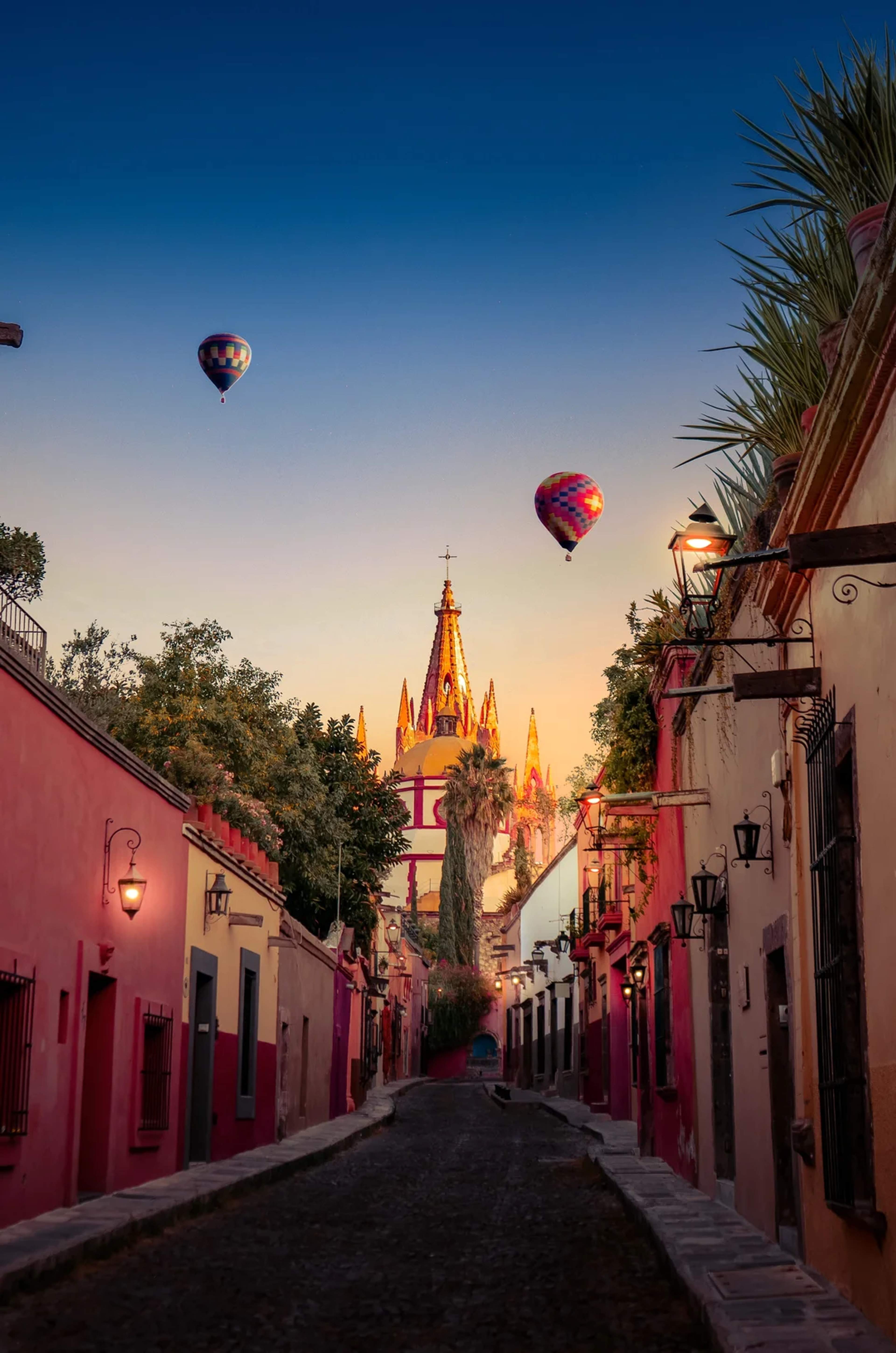
San Miguel de Allende is known for colorful façades, art studios, and the soaring Parroquia de San Miguel Arcángel that shapes the skyline.
Best for: art lovers, couples, and retirees drawn to walkable colonial charm.
11. Guadalajara Brings Tequila, Mariachi, and a Growing Food Scene
Tequila and mariachi were born in Jalisco, and Guadalajara celebrates both. Plaza de los Mariachis features live performances, and tequila distillery visits walk you through the production process. A female-fronted culinary scene is gaining international attention. The Mariachi Festival and the Book Fair add even more to the cultural calendar.
Best for: culture travelers, food lovers, and anyone interested in Jalisco's signature traditions.
12. Isla Mujeres Has a Small Island Feel With Big Personality
A short ferry ride from Cancún, Isla Mujeres moves at a quieter pace with Playa Norte's shallow turquoise water, fresh ceviche, and coral reefs full of tropical fish. The island is easy to explore, and its smaller scale makes it a favorite for travelers who want a break from the mainland resort corridor.
Best for: couples, friend groups, and snorkelers.
13. Lagunas de Montebello and Its Highland Lakes
Lagunas de Montebello offers a quieter nature-focused option in Chiapas, with lakes that make this destination feel very different from the Caribbean beach towns on the usual route. We would choose it for slow scenic days, fresh mountain air, and time outdoors.
Best for: nature lovers, photographers, and travelers who want a calmer inland stop.
14. Isla Holbox Is Unplugged and Unhurried
Off the Yucatán Peninsula, Isla Holbox keeps a laid-back atmosphere where golf carts outnumber cars. From May to September, whale shark snorkeling draws wildlife-focused travelers from around the world.
Best for: nature lovers and anyone looking to disconnect.
15. Palenque and the Jungle Ruins of Chiapas
Hidden in the Chiapas jungle, Palenque feels more remote and atmospheric than some of the better-known Maya sites. The Temple of the Inscriptions preserves royal histories in hieroglyphics. Nearby waterfalls such as Misol-Ha and Agua Azul add another reason to spend time in the area.
A guided visit works especially well here if you want more historical context while moving between the ruins and the natural sites.
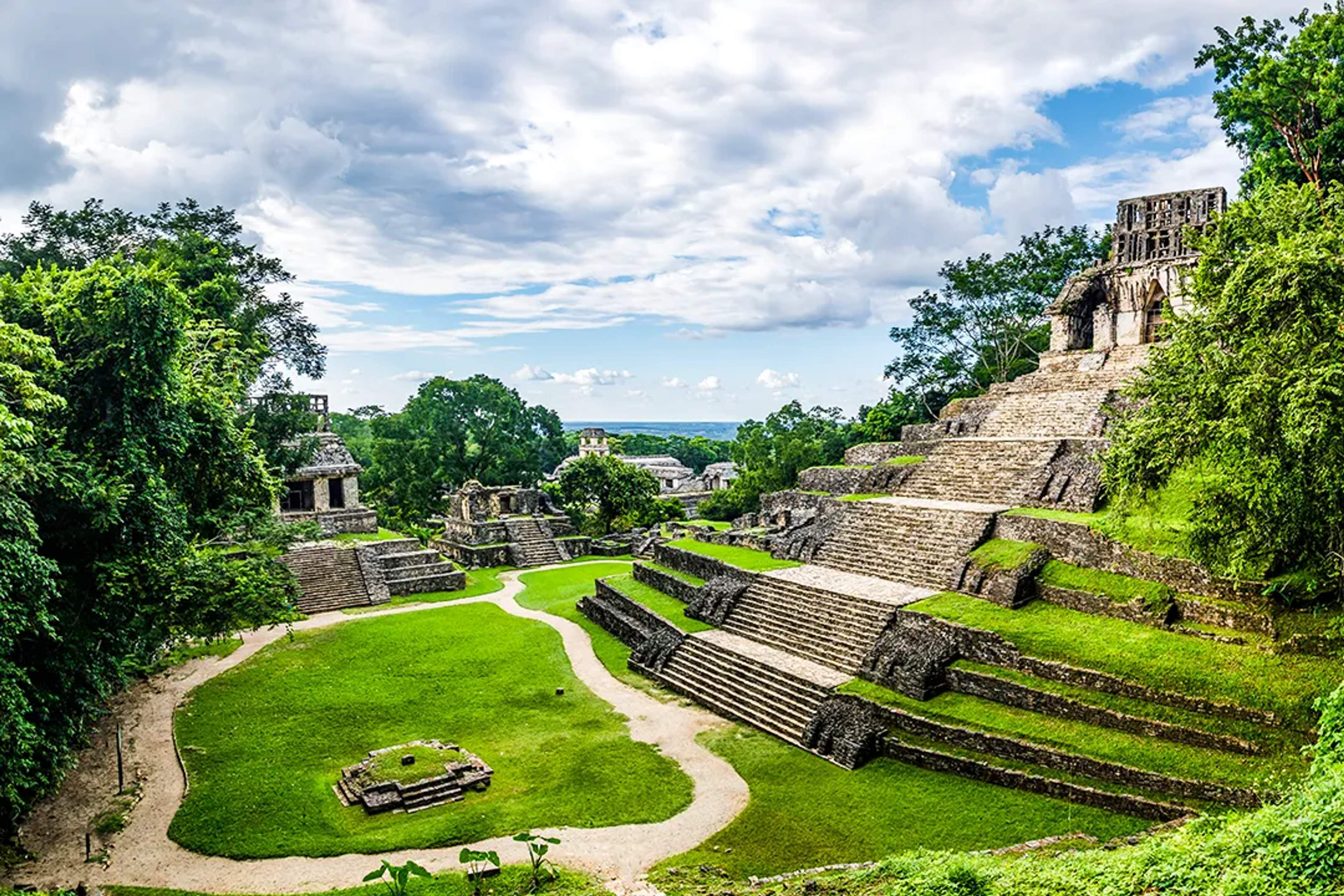
Best for: history and nature travelers willing to go beyond the usual route.
16. Guanajuato's Underground Tunnels and Hillside Color
Guanajuato's hillside homes, underground street network, and active university scene make it one of Mexico's most visually striking cities.
Best for: couples, culture travelers, and photographers.
17. Bacalar and the Lagoon of Seven Colors
Bacalar's freshwater lagoon shows shifting shades of turquoise and cobalt thanks to mineral-rich water. Less developed than Tulum, this Quintana Roo destination suits kayakers, paddleboarders, and travelers looking for a quieter stay. The Tren Maya now makes Bacalar more accessible from the Riviera Maya corridor.
Best for: eco-travelers, budget-conscious visitors, and travelers considering an alternative to Tulum.
18. El Cañón del Sumidero and Its River Cliffs
El Cañón del Sumidero, Chiapas, gives this list a dramatic nature stop, with steep canyon scenery and river views that pair well with time in the state's highland cities. We would plan it as a guided outing so the logistics are simpler and the landscape has more context.
Best for: nature travelers, photographers, and anyone adding more of Chiapas to the trip.
19. Morelia's Pink Stone and Monarch Butterflies
Morelia's Baroque cathedral and pink stone aqueduct give the Michoacán capital a stately feel. You can sample uchepos and ates at local markets, then use the city as a base for the Monarch Butterfly Biosphere Reserve. Recent monarch population coverage adds another reason to plan a winter visit from November through March.
Best for: nature lovers, history travelers, and families during butterfly season.
20. San Cristóbal de las Casas and Highland Culture in Chiapas
High in the Chiapas mountains at 7,200 feet, San Cristóbal de las Casas welcomes travelers with colorful architecture and Indigenous markets known for textiles and handcrafted jewelry. Churches blend Spanish colonial and Maya influences. Locally grown coffee is part of daily life, and walking tours can help you understand the city's quieter corners and artisan cooperatives.
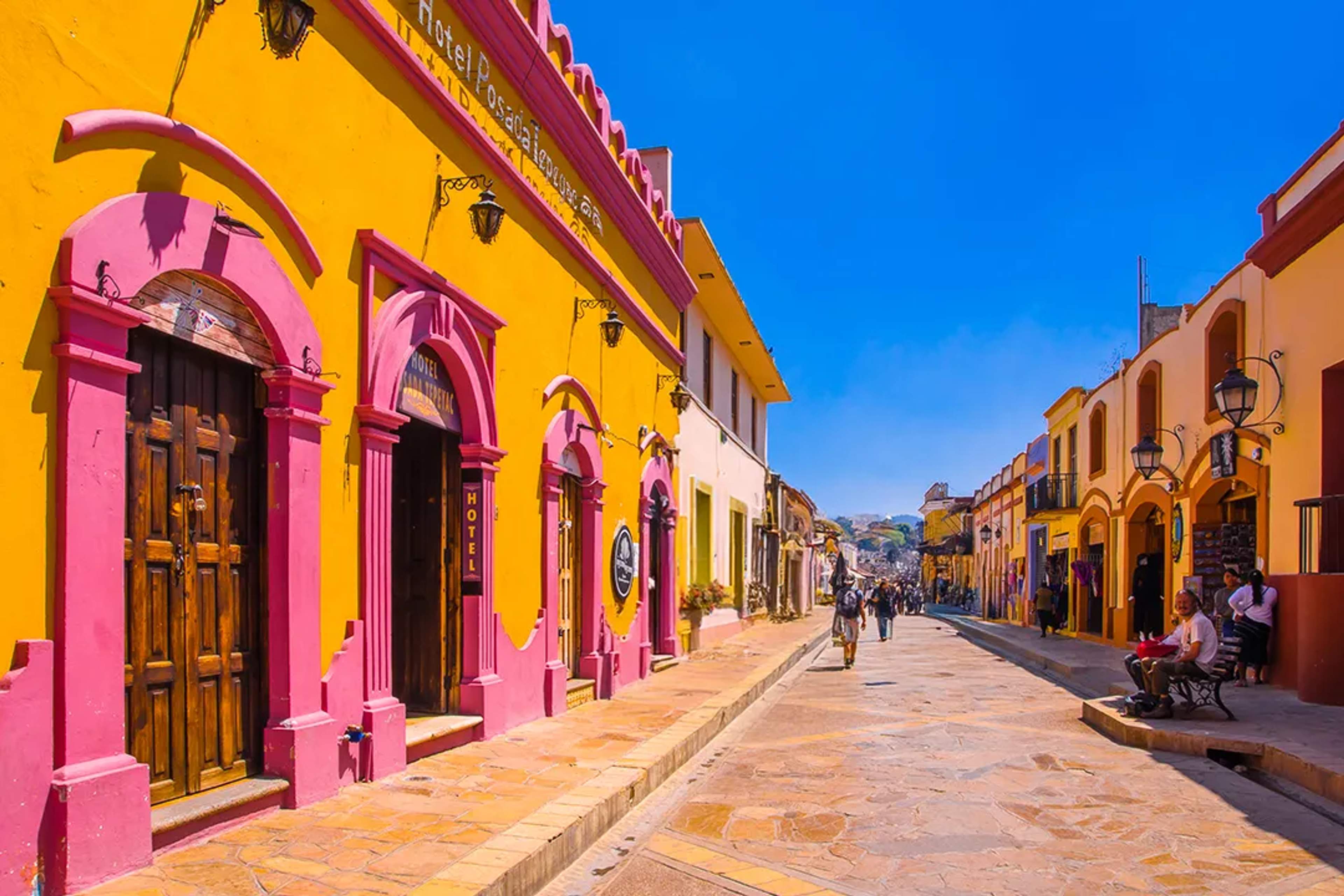
Best for: culture seekers and travelers who enjoy cooler highland climates. Pack layers, especially in winter, when temperatures can drop significantly.
21. Puebla's Culinary Heritage and Talavera Tile
Puebla is known for chiles en nogada, best in early September, and cemitas. The city's talavera ceramics, a craft shared with Tlaxcala and Spain, hold UNESCO status. Its colonial architecture and location less than two hours from Mexico City by bus make it an easy addition to a central Mexico itinerary.
Best for: food travelers and day-trippers from Mexico City.
22. Teotihuacán and Pyramids on a Grand Scale
Northeast of Mexico City, Teotihuacán's Pyramid of the Sun and Pyramid of the Moon rise above the Avenue of the Dead. The archaeological zone is impressive in scale, and licensed guides can add useful context on the civilization that built one of the ancient world's largest cities.
We recommend going early to avoid the midday heat and move through the site more comfortably.
Best for: history lovers staying in Mexico City. Plan on a half-day or full-day trip.
Planning Your Mexico Trip by Season
We organized these seasonal notes to help you plan around what matters most. December through April usually brings drier beach weather and strong whale watching in Banderas Bay and Baja California. June through October brings greener jungle landscapes, Sierra Madre falls, lower rates, and fewer crowds along much of the Pacific coast.
Wildlife timing follows its own pattern. Whale sharks gather near Isla Holbox and the Yucatán coast from June through September. Monarch butterflies fill the Michoacán highlands from November through March. Sea turtle nesting runs from May through October along Pacific and Gulf beaches.
Domestic flights connect major cities through Mexico City, first-class buses cover most routes, and the Tren Maya links several Yucatán destinations. We recommend starting with the region that matches your travel style, then adding guided day trips where they make the journey easier and richer.
Frequently Asked Questions
What part of Mexico is best for beaches and water activities?
If your trip is built around the ocean, we would start with Puerto Vallarta, Cancún, the Riviera Maya, Isla Mujeres, Playa del Carmen, Los Cabos, or Bacalar. Puerto Vallarta stands out if you want beaches, marine life, jungle scenery, and boat-access spots in the same trip.
Which Mexico destinations are best for history and culture?
Mexico City, Oaxaca, Mérida, Puebla, Guanajuato, Morelia, San Cristóbal de las Casas, Chichén Itzá, Uxmal, Palenque, and Teotihuacán all work well if history, food, and local traditions are high on your list.
When should I visit Mexico for whale watching?
For Banderas Bay and Puerto Vallarta, December through March is the main whale watching season mentioned in this guide. Los Cabos is strongest in January and February.
Which places are good for a quieter trip?
Bacalar, Isla Holbox, Isla Mujeres, San Miguel de Allende, and some smaller Yucatán and highland cities are good options if you want a slower pace.
Is Mexico worth visiting year-round?
Yes. This guide includes destinations that work across different seasons. Drier months are often easier for beach time and whale watching, while rainy months bring greener landscapes, stronger waterfalls, and in some areas lower rates.