Picking when to visit Puerto Vallarta is half the fun. The bay looks and feels different each season, from humpback whales showing up in winter to waterfalls roaring through the green of summer.
We've seen how the calendar shapes every kind of trip, and the little details really do make the difference. Sea temperatures, jungle conditions, festival dates, and quiet windows for families all line up in ways that aren't obvious at first glance.
Here's what we've learned about matching your travel dates to the kind of Puerto Vallarta you want to see.
Your Quick Guide to Puerto Vallarta's Seasons
If weather is what you care about most, the best time to travel to Puerto Vallarta is November through April, though honestly, every month has something going for it. Highs run from the low 80s in midwinter to the high 80s in November, most months see two or fewer rainy days, and the ocean stays warm enough for a comfortable swim.
If you're coming for the whales, plan your trip inside the official season, December 8 through March 23, since January and February are when you'll see the most action at the surface.
Traveling on a budget? August and September have the lowest prices, with afternoon rain as the tradeoff. Late April through May and October through November give you warm days, lighter crowds, and fair prices all at once.
Monthly averages at a glance:
- January: Average high 80°F, 2 rainy days, sea temperature 76°F
- February: Average high 80°F, 1 rainy day, sea temperature 75°F
- March: Average high 81°F, 1 rainy day, sea temperature 75°F
- April: Average high 82°F, 0 rainy days, sea temperature 77°F
- May: Average high 85°F, 1 rainy day, sea temperature 81°F
- June: Average high 88°F, 11 rainy days, sea temperature 83°F
- July: Average high 89°F, 16 rainy days, sea temperature 84-86°F
- August: Average high 90°F, 15 rainy days, sea temperature 86-87°F
- September: Average high 90°F, 16 rainy days, sea temperature 86-87°F
- October: Average high 88°F, 5 rainy days, sea temperature 85°F
- November: Average high 87°F, 1 rainy day, sea temperature 81°F
- December: Average high 84°F, 2 rainy days, sea temperature 78°F
Figures are long-term monthly averages for the city. The jump from one rainy day in May to eleven in June is the clearest dividing line on the whole calendar.
Best Time to Go to Puerto Vallarta for Your Travel Style
Every trip has its own shape, so we like to match the calendar to the traveler rather than the other way around.
Families who can wait until the New Year crowds head home get quiet, dry conditions in early to mid January. Late November and late April through early May are two other good family windows. If school schedules point you to Semana Santa, which runs March 29 through April 5 in 2026, book well ahead, because rooms and tours fill up fast that week.
Couples celebrating a milestone tend to find the most dependable conditions from January through April, with warm days and clear evenings perfect for sunset sails. Traveling before late March also pairs the trip with whale season, a shared moment few anniversaries can match.
Active travelers should pick their dates by activity rather than by season. Divers often prefer June through September, while hikers usually do best from December through March.
Winter in Puerto Vallarta: Whales and Dry Season
December through February brings bone-dry beach weather with steady highs in the low 80s and very little rain, usually 1-2 rainy days per month. This is when humpback whales come into Banderas Bay to breed and nurse their calves, with the sighting window running from December 20 through March 1 when the whale watching tour operates with sighting guarantees. The official season runs December 8 through March 23, and our trips only run inside that window.
Winter also brings cultural celebrations like Fiestas Guadalupanas (December 1-12) and New Year's festivities that light up the malecón with fireworks. That consistency does come with company, though. This is peak season, so hotels, flights, and tours cost more, and popular tours book out weeks ahead.
Spring in Puerto Vallarta: Heat Rising, Skies Staying Clear
March through May turns up the heat while keeping skies clear, with temperatures climbing from the mid-80s to high 80s. April is the driest month of the whole year, with zero rainy days on average. Semana Santa (Holy Week) brings religious processions through downtown in late March or April, though this is also one of Mexico's busiest travel periods.
May is a great month for water activities. The ocean warms up, visibility improves, and steady winds make for excellent sailing conditions. This is shoulder season at its best, with spring break crowds gone and weather that still holds up. Sailing conditions stay strong before summer's lighter winds set in.
Summer in Puerto Vallarta: Green Jungles and Morning Sunshine
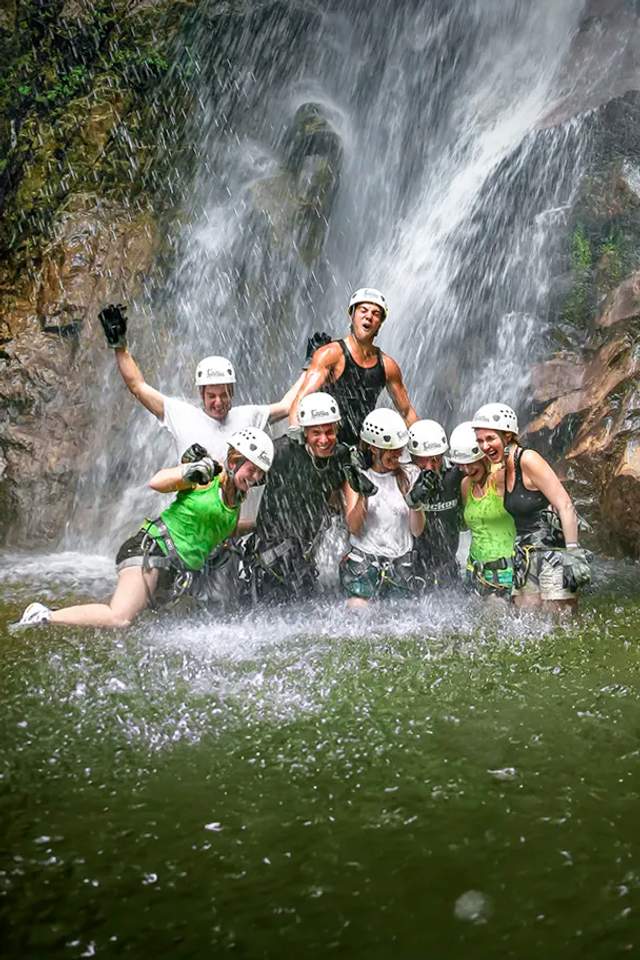
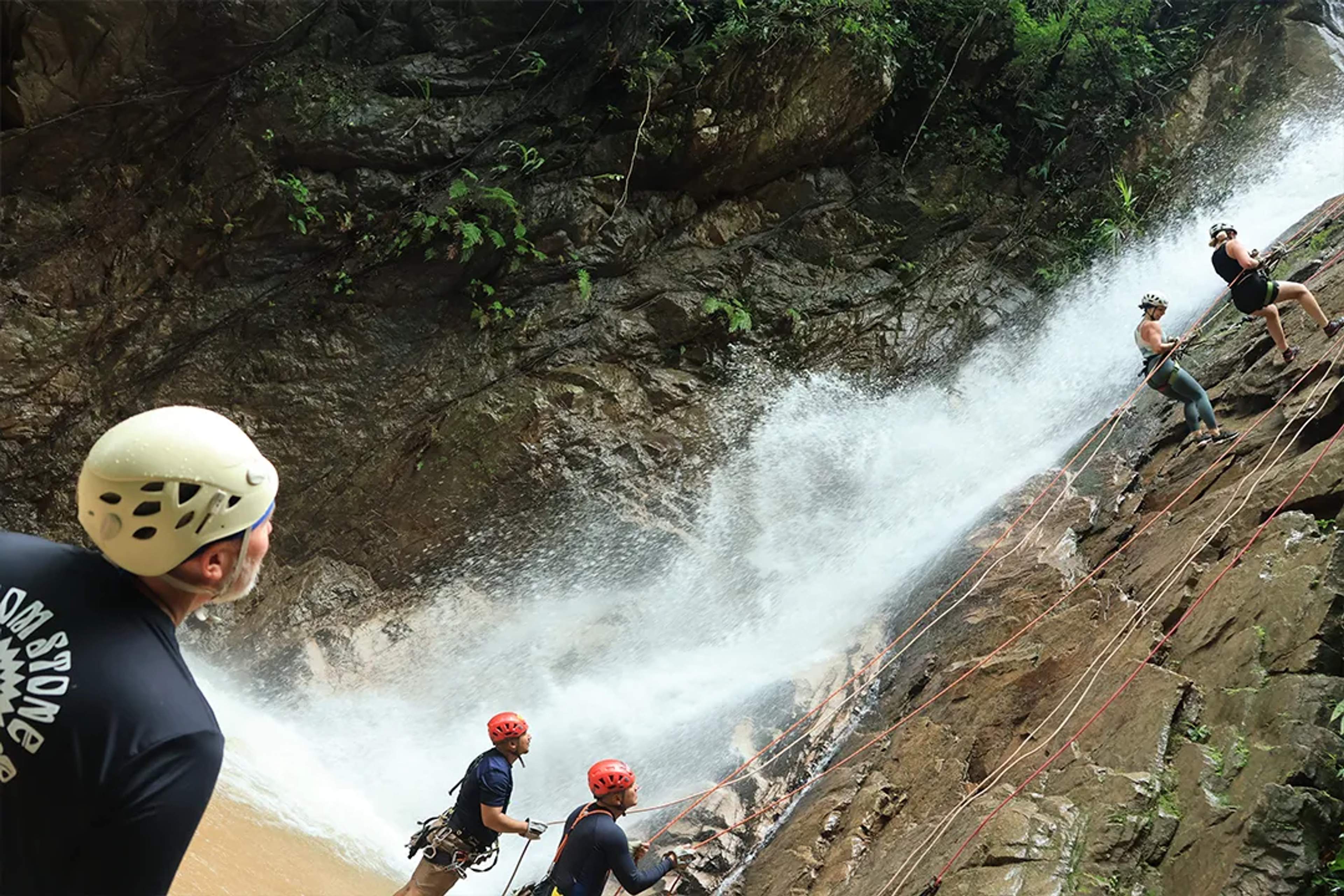
June through August is rainy season, but the rain usually comes in short afternoon bursts that work around your plans. Mornings stay sunny and clear for activities. The jungle goes through a big seasonal change from August through October, turning emerald green as waterfalls that trickle in winter grow into powerful cascades. The broader rainy season runs June through October, with the strongest waterfall flow from July through September.
July brings great conditions for scuba diving visibility, with water temperatures peaking around 85°F. The rainy season also means fewer tourists and moderate prices on hotels and flights. Summer temperatures hit around 90°F with higher humidity, so plan strenuous activities for the morning hours. Water temperatures climb toward their August peak of 86 to 87°F.
Fall in Puerto Vallarta: Puerto Vallarta's Cultural Season
September through November is Puerto Vallarta's quietest stretch. September is the wettest month, but conditions shift quickly after that. By November you're back to minimal rain, with about one rainy day for the whole month.
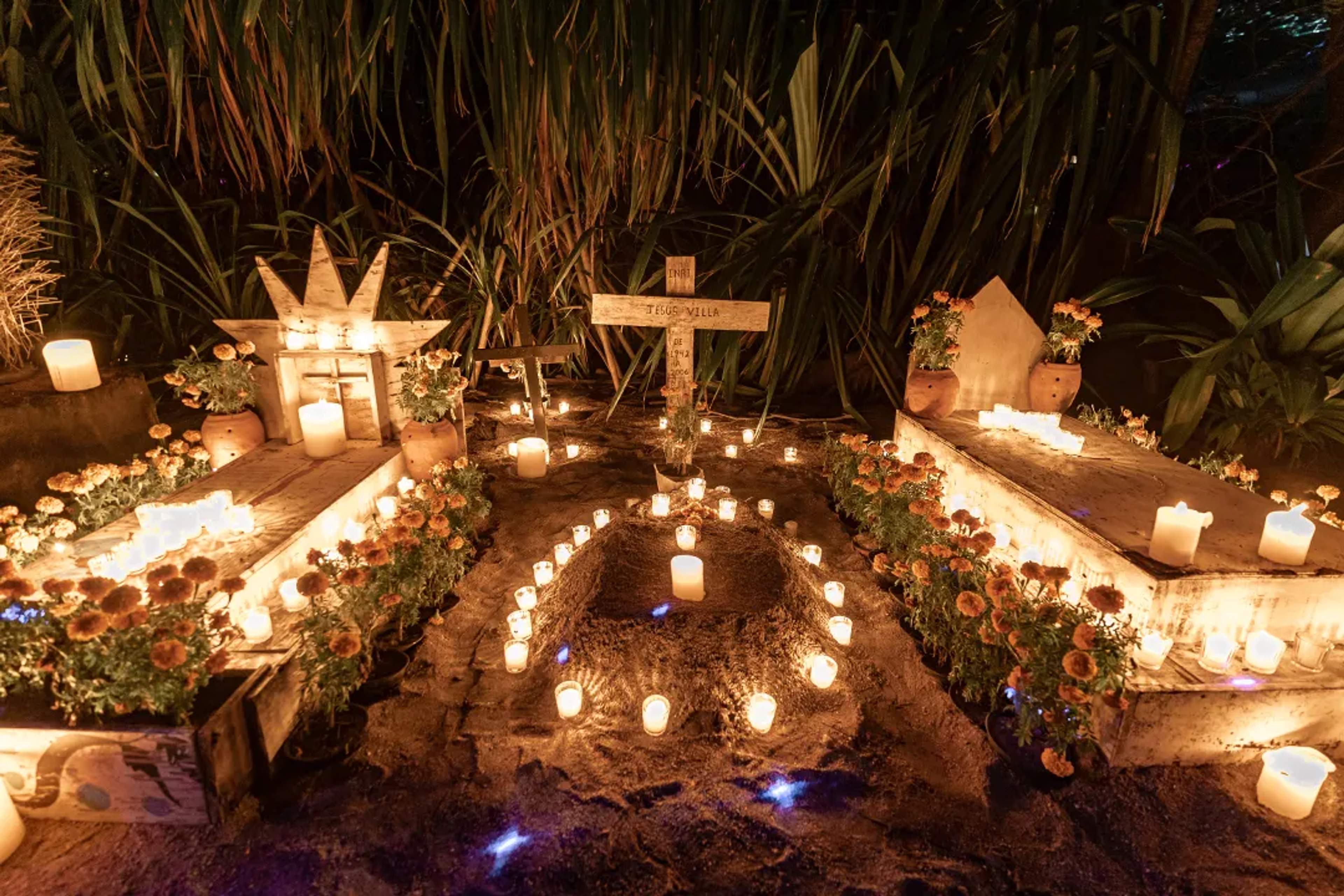
Fall brings some of the biggest cultural celebrations of the year. September 16 is Mexican Independence Day with parades and fireworks, while Día de Muertos (November 1-2) fills the city with traditional altars, decorated skulls, and bright marigold flowers.
November also brings themed Rhythms of the Night performances. We run the show through the fall calendar, with special themed performances in November. Beach, jungle, and ocean activities keep going through fall too, with more breathing room and better pricing than peak season.
Whale Watching Season: December Through March
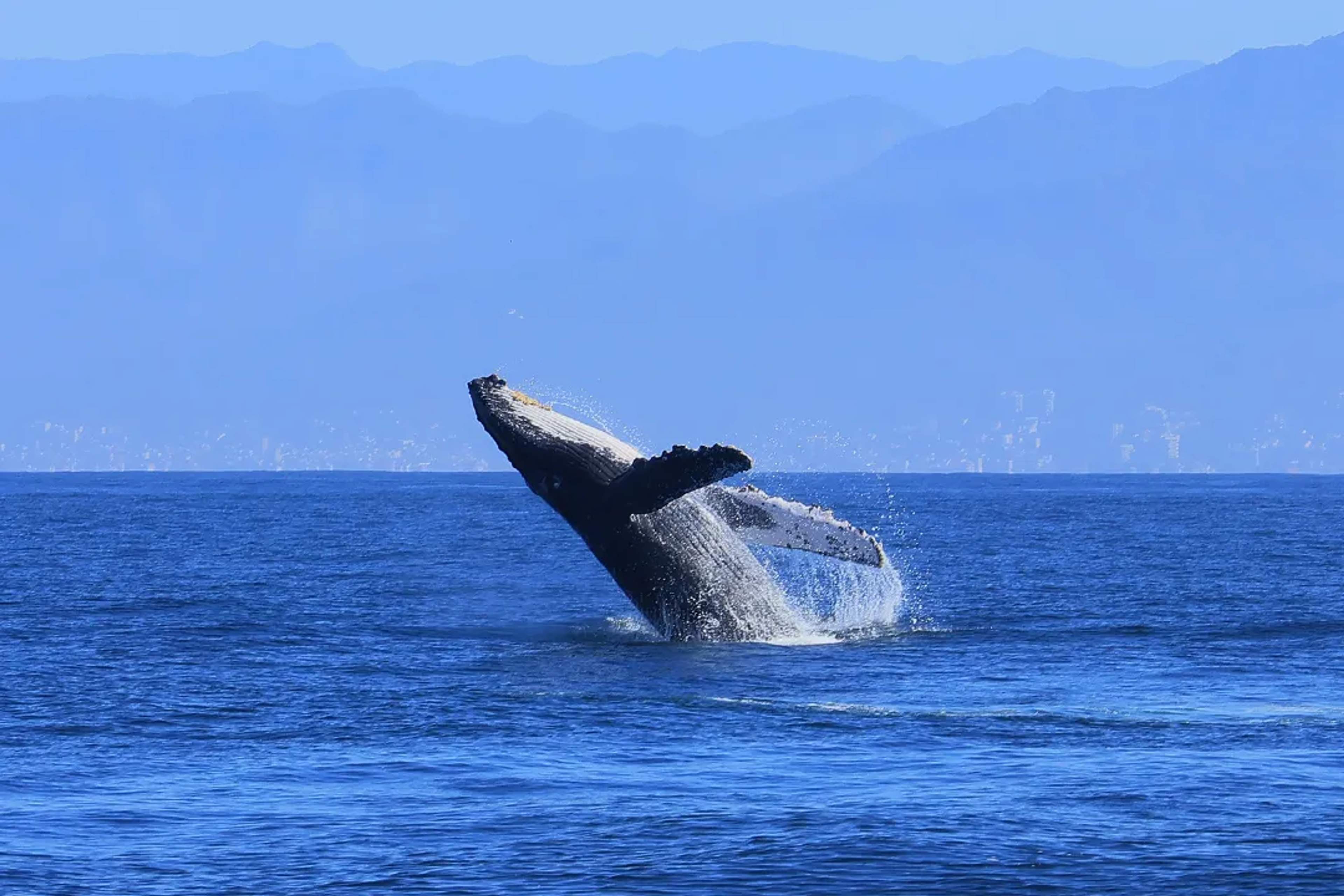
December 8 to March 23 is the window when humpback whales come to Banderas Bay to breed and calve in these warm, protected waters. They also nurse their young here. These waters have been designated as an Important Marine Mammal Area. Humpbacks are actually in Banderas Bay from roughly late October into early May, but December 8 to March 23 is the window when tours are allowed to run.
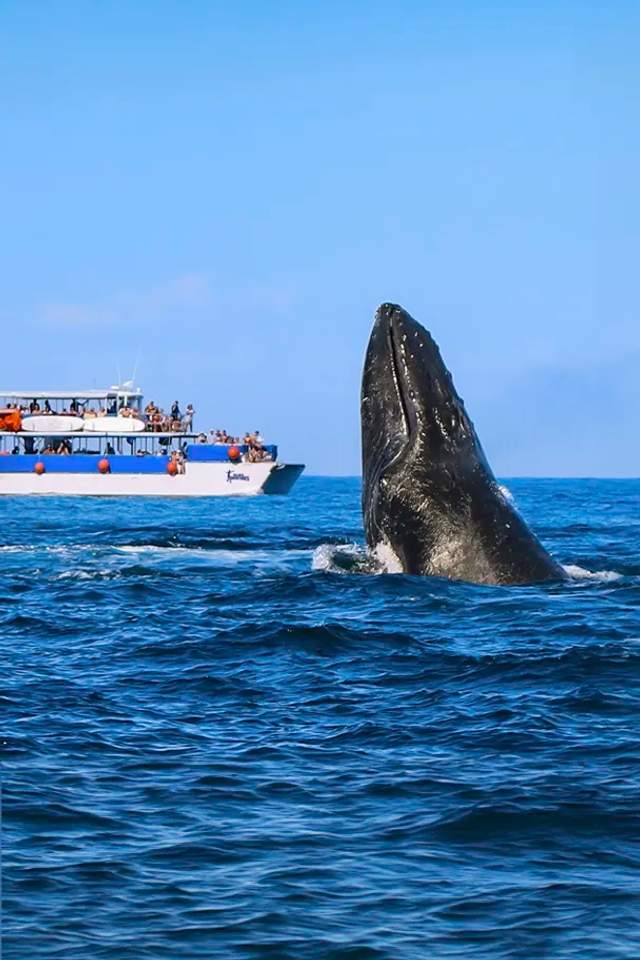
Throughout the season we see mothers with young calves and males breaching dramatically to attract females or scare off rivals. Whales also slap their tails and send water flying in all directions.
Our Whale watching tour during the guaranteed sighting window (December 20 through March 1) gives you a nice safety net that takes some of the guesswork out. If you don't see whales, you get a complimentary second tour to try again.
January and February bring the highest whale concentration and the most active behaviors of the season, when our expert guides use hydrophones so you can actually hear whale songs underwater while watching these magnificent creatures at the surface above you. Mornings bring calmer seas, which makes distant whales easier to spot.
Finding the Best Value: Shoulder Season Timing
Late April through May and early November strike a nice balance of comfortable temperatures, minimal rainfall, lower crowds, and fair prices compared to peak season. November fills up as high season kicks in, so book earlier than you would for October.
April is the driest month with almost no rainfall, while November eases into dry season with mid-80s temperatures and about one rainy day. Tours run on the same schedules but with smaller groups that feel more intimate.
September brings the heaviest rainfall, but things improve a lot by October and November. Book your accommodations and tours a bit ahead to lock in the best prices, though you won't need the months-in-advance planning that peak season calls for. Choose winter for whale watching or summer for stronger waterfall flow. The "best" time really depends on your priorities, not on any one season being better than another.
Outdoor Adventures: Timing by Activity
Conditions vary by activity, weather pattern, and natural cycle. Jungle zip-lining and waterfall hikes shine during summer when rain transforms the surroundings, with full waterfalls in August and September turning winter's moderate flows into powerful cascades worth photographing.
Scuba diving visibility peaks from June to September, with July and August offering the best conditions when sediment settles and marine life becomes most active. August also brings the warmest water of the year.
For most water activities overall, though, November through May gives you the best combination of calm seas, good visibility, and comfortable water temperatures. Winter plankton blooms can shorten visibility.
Hiking in the Sierra Madre mountains works best from December through March. Cooler temperatures, with low to mid-80s highs and low to mid-60s lows, make strenuous trail climbs more comfortable than the hotter months when temperatures around 90°F turn challenging hikes into a real test. The dry season also means better footing on mountain paths without muddy trails to worry about.
ATV adventures feel like different rides across the seasons. Summer's muddy conditions and creek crossings appeal to experienced riders looking for a challenge, while winter offers easier, dustier conditions that are ideal for first-timers building their skills. Summer trails have fuller creek crossings after the afternoon storms, while dry-season trails are firm and dusty.
Cultural Events Throughout the Year
Puerto Vallarta celebrates something almost every month. A lot of these celebrations happen along the malecón, where visitors can get a real feel for Mexican culture. September 16 is Mexican Independence Day, with parades and fireworks. Celebrations kick off the evening of September 15 with "El Grito," the Cry of Independence. The event creates an electric atmosphere of national pride.
November 1-2 brings Día de Muertos. Traditional altars (ofrendas) pop up throughout homes and businesses, decorated with bright marigold flowers and ornate skulls (calaveras). This joyful celebration is uniquely Mexican. It's colorful, bright, and welcoming to visitors.
Semana Santa (Holy Week) brings religious processions and reenactments of the Passion of Christ through downtown streets in late March or April. It's one of Mexico's busiest travel periods.
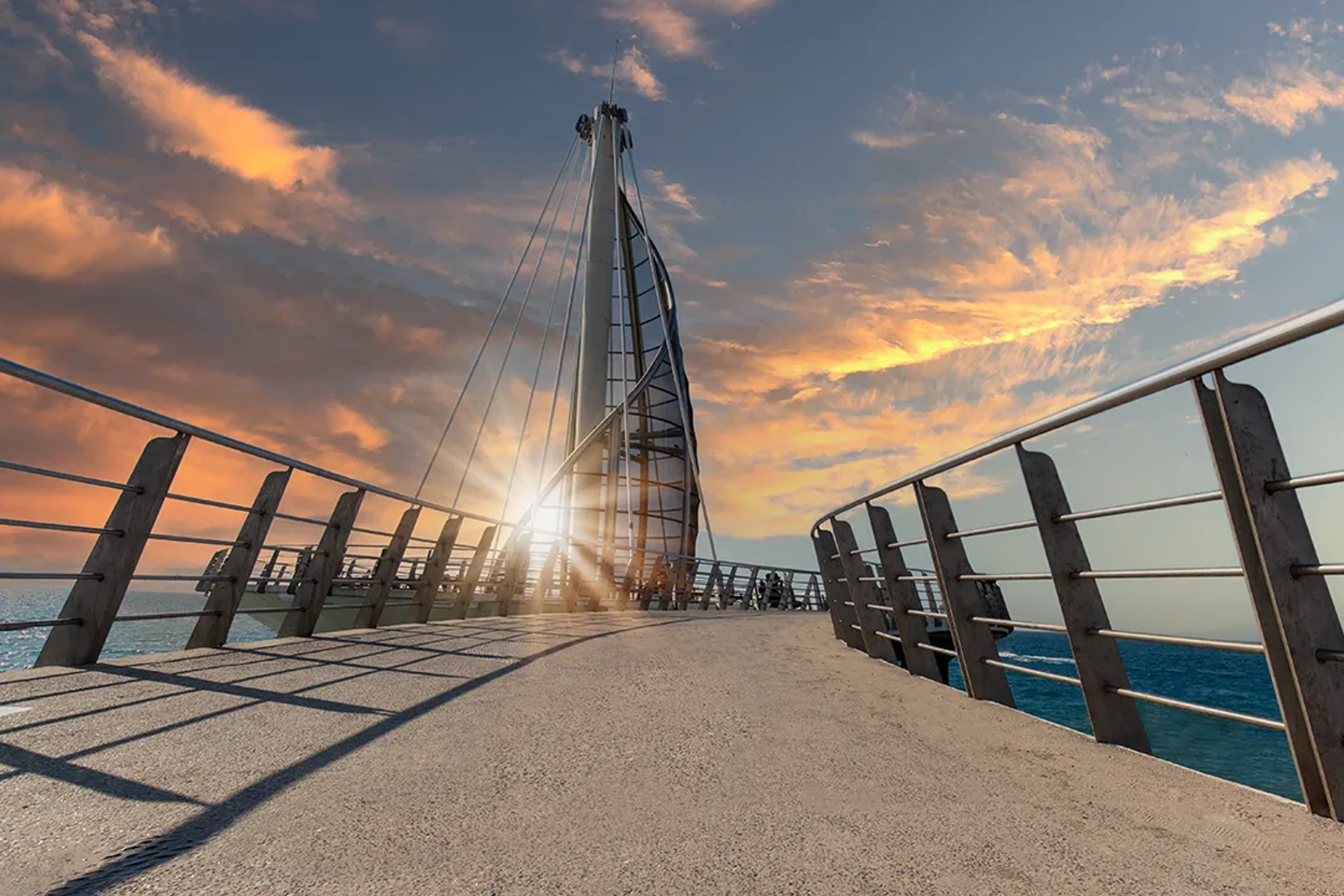
Year-round, the malecón offers events like street performances, art installations, and spontaneous celebrations that capture Puerto Vallarta's cultural spirit.
Traveling with Kids: Sweet Spot Windows
Late November and late April through early May are the sweet spots for families. Both offer dry weather, mid-80s temperatures, and manageable crowds without peak season chaos.
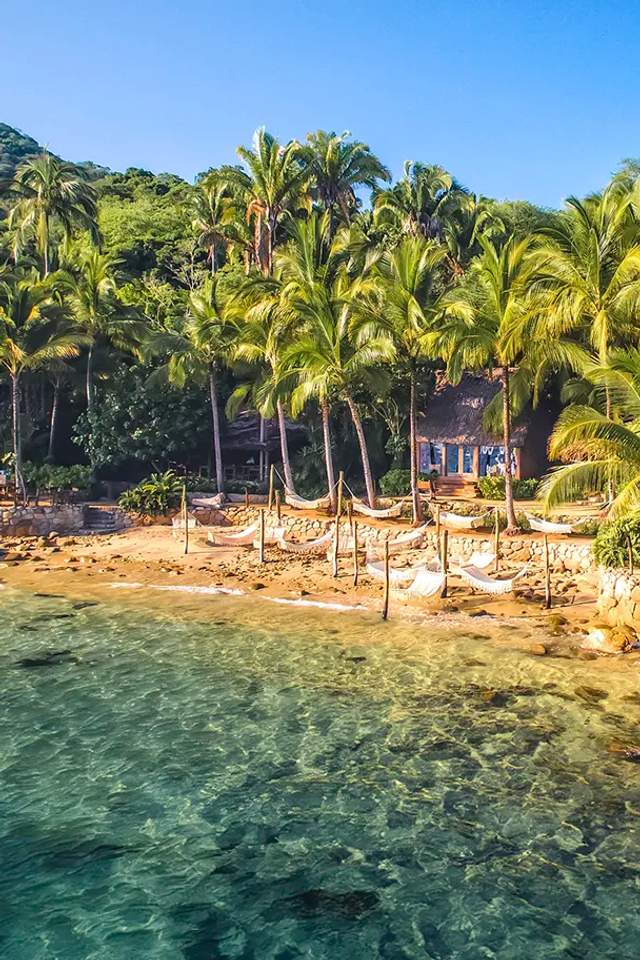
Traveling with children means logistics matter, and lighter crowds ease the stress. Las Caletas Beach & Adventure Park, reachable only by Vallarta Adventures boats, runs year-round with covered activity areas and includes snorkeling, kayaking, and cultural workshops.
Age matters too. Our Whale Watching Cruise and Las Caletas take kids from age 1, Dolphin Kids from age 4, and zip-lining or ATV tours from age 8.

What About Hurricane Season?
Hurricane season officially runs May 15 through November 30, but storms can still affect Puerto Vallarta. Activity peaks from July through September.
No storm on the scale of Hurricane Kenna, the Category 4 that hit in 2002, has struck the city directly since, though the coast has felt a few close calls. Nora passed as a Category 1 in 2021 and caused flooding damage downtown. Lidia in 2023 made Category 4 landfall in Jalisco just south-southwest of the city, with strong winds felt in town.
Direct hits are genuinely rare rather than merely uncommon, though it's still smart to keep an eye on forecasts as your trip gets closer, since that's just standard practice anywhere coastal. We watch the forecast through the season and adjust departures when a system moves toward the bay. Hurricane season shouldn't be the reason you automatically skip summer or fall, since the statistical risk stays quite low compared to the rewards of visiting during these uncrowded months.
During Puerto Vallarta's rainy season (June-August), rain typically comes in short bursts in the late afternoon or evening, not the all-day downpours you get with tropical storms. The broader rainy season runs June through October. While July and August see significant monthly rainfall when you add it all up, the predictable afternoon pattern actually makes planning easier than destinations with all-day rain that disrupts morning schedules and forces tour operations to cancel repeatedly.
So When's the Best Time?
Choose your Puerto Vallarta travel dates based on what you want out of the trip. Conditions shift by month to fit different priorities and preferences.
December through February brings guaranteed whale watching and bone-dry beach weather that takes the uncertainty out of your planning. The official whale season begins December 8. Late April or November offers excellent conditions with room to breathe from the crowds and moderate pricing that rewards flexible travelers. August and September deliver dramatic waterfalls and lush jungles that turn the scenery into something you won't see during the drier months.
Pick your priority based on what matters most to you, then book your activities accordingly. We recommend reserving your key activities ahead, especially during peak months, to lock in your spot and avoid missing out on sold-out tours.
Frequently Asked Questions about Visiting Puerto Vallarta
What is the cheapest month to fly to Puerto Vallarta?
September usually has the lowest airfare, followed by August and early October. These months fall within the rainy season, so demand drops and airlines lower prices to fill seats.
If you want cheaper flights without heavy rain, try the first two weeks of December or late April. Booking two to three months ahead and flying midweek also helps you land better deals.
How many days do you need in Puerto Vallarta?
Four to five days is a comfortable stretch for most travelers. That gives you time for a beach day, a full-day tour like whale watching or Las Caletas, downtown exploration, and a sunset sail without feeling rushed.
If you want to add adventure activities like zip-lining, ATV riding, or a day trip to the Marietas Islands, plan for seven days. Longer stays work well if you're mixing relaxation with multiple tours.
Is Puerto Vallarta better than Cancun?
They serve different travel styles. Puerto Vallarta pairs a walkable historic downtown with jungle-covered mountains meeting the Pacific, plus authentic Mexican culture and world-class whale watching in winter.
Cancun leans toward all-inclusive resorts, Caribbean beaches, and Mayan ruins nearby. If you want a more local feel, dramatic scenery, and varied outdoor adventures, Puerto Vallarta usually comes out ahead for travelers who value authenticity over resort convenience.