If you are wondering what Puerto Vallarta feels like in winter, picture reliable sunshine, comfortable warmth, and calm seas that stretch across most of the season. It is one of our favorite times of year to be here, though every season on the bay has something worth showing up for.
What the Weather Actually Feels Like
Winter days here are warm without being heavy. From December through March, daytime highs sit in the low 80s°F (around 27°C), and overnight lows drop into the low-to-mid 60s°F (16 to 18°C). The four months are remarkably steady, so you can plan without second-guessing the forecast.
Mornings and evenings feel cooler, which is a relief after a full day in the sun. On the coolest nights in January and February, temperatures can occasionally dip toward 50°F (10°C), so a light layer for evenings is worth packing.
This is the dry season, and it shows. December through February brings just one to two rainy days per month, with plenty of sunshine.
March is the sunniest of the winter months, averaging around 11 hours of sun per day. You are unlikely to lose a day of your trip to rain.
Can You Swim in the Ocean?
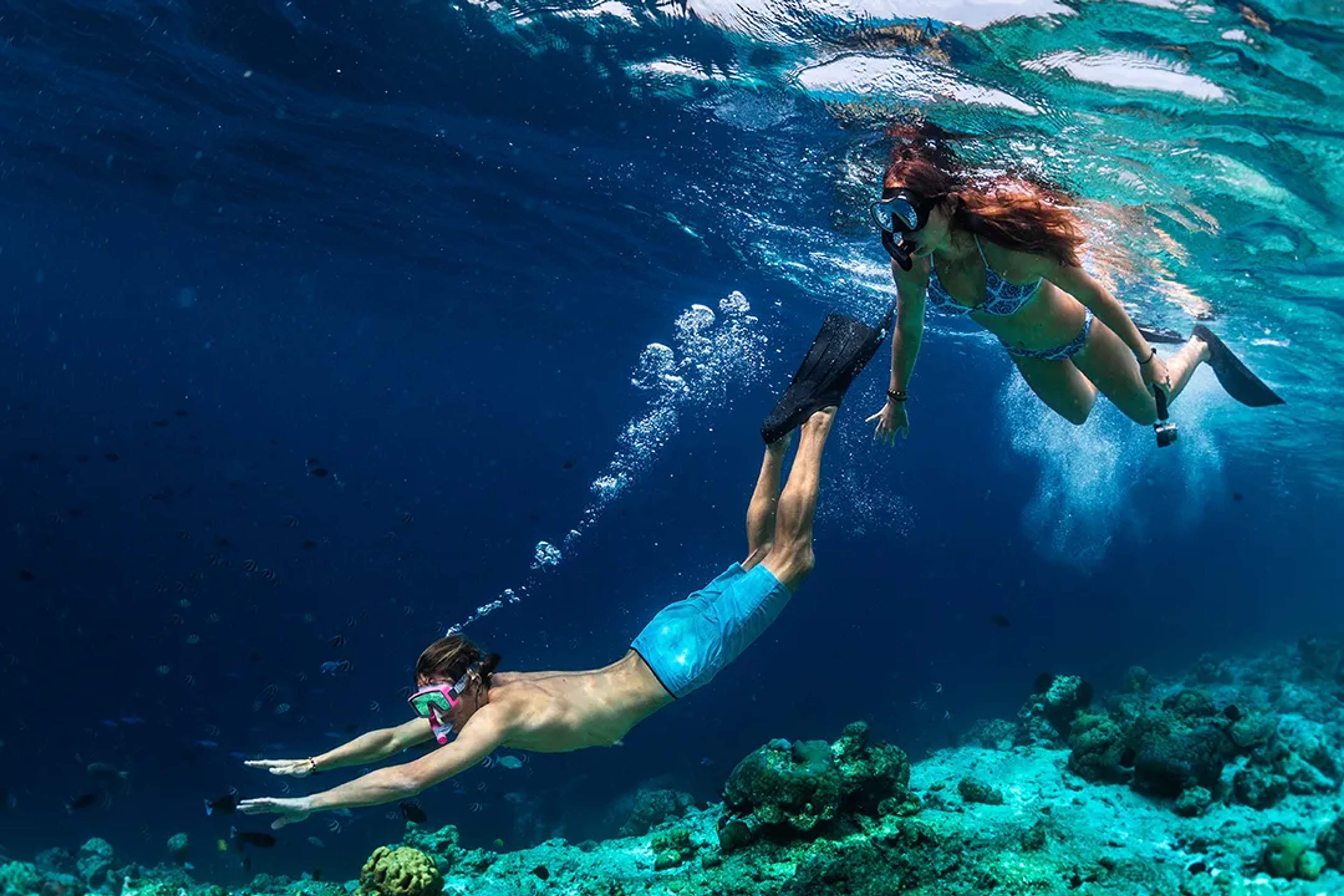
Yes, and comfortably. Banderas Bay stays warm through the whole season. December water temperatures hover around 77°F (25°C). By February and March, they ease slightly to about 75°F (24°C). That is warm enough for comfortable swimming and snorkeling without any thermal protection for casual swimmers.
The dry season also brings the calmest seas and the best underwater visibility of the year, which matters if snorkeling or a boat day is on your list.
Is Winter a Good Time to Go?
Winter brings some of Puerto Vallarta's most comfortable conditions. The ocean stays warm, and humpback whales arrive right on schedule. Cooler mountain air makes day trips into the Sierra Madre far more pleasant than in the summer heat.
December brings the Fiestas Guadalupanas and New Year's celebrations along the malecón, and the Historic Center Art Walk runs through the season.
Winter is also peak season. If your priority is dry weather and warm water during whale season, winter fits.
Whale Watching in Winter
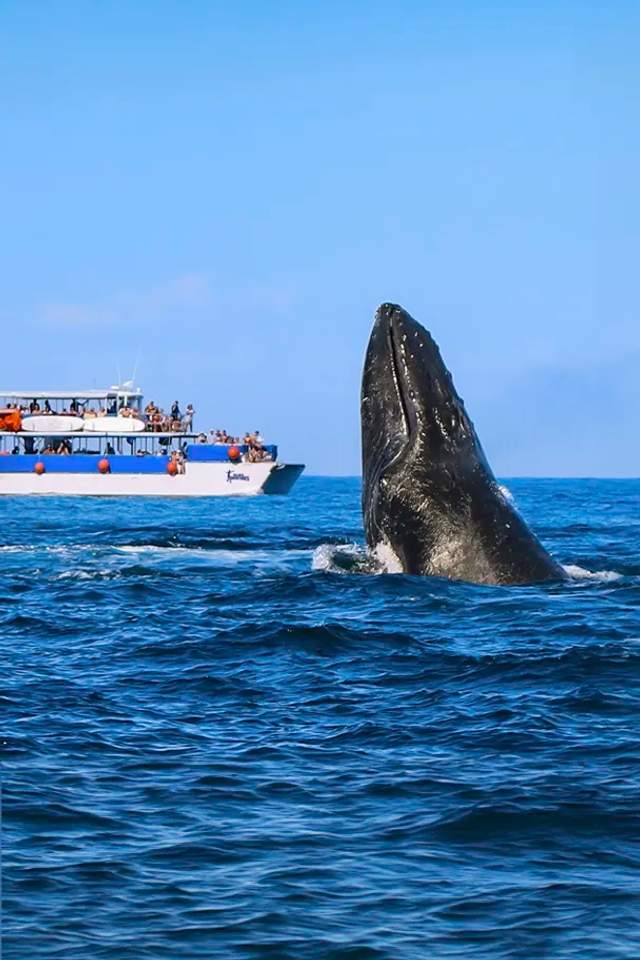
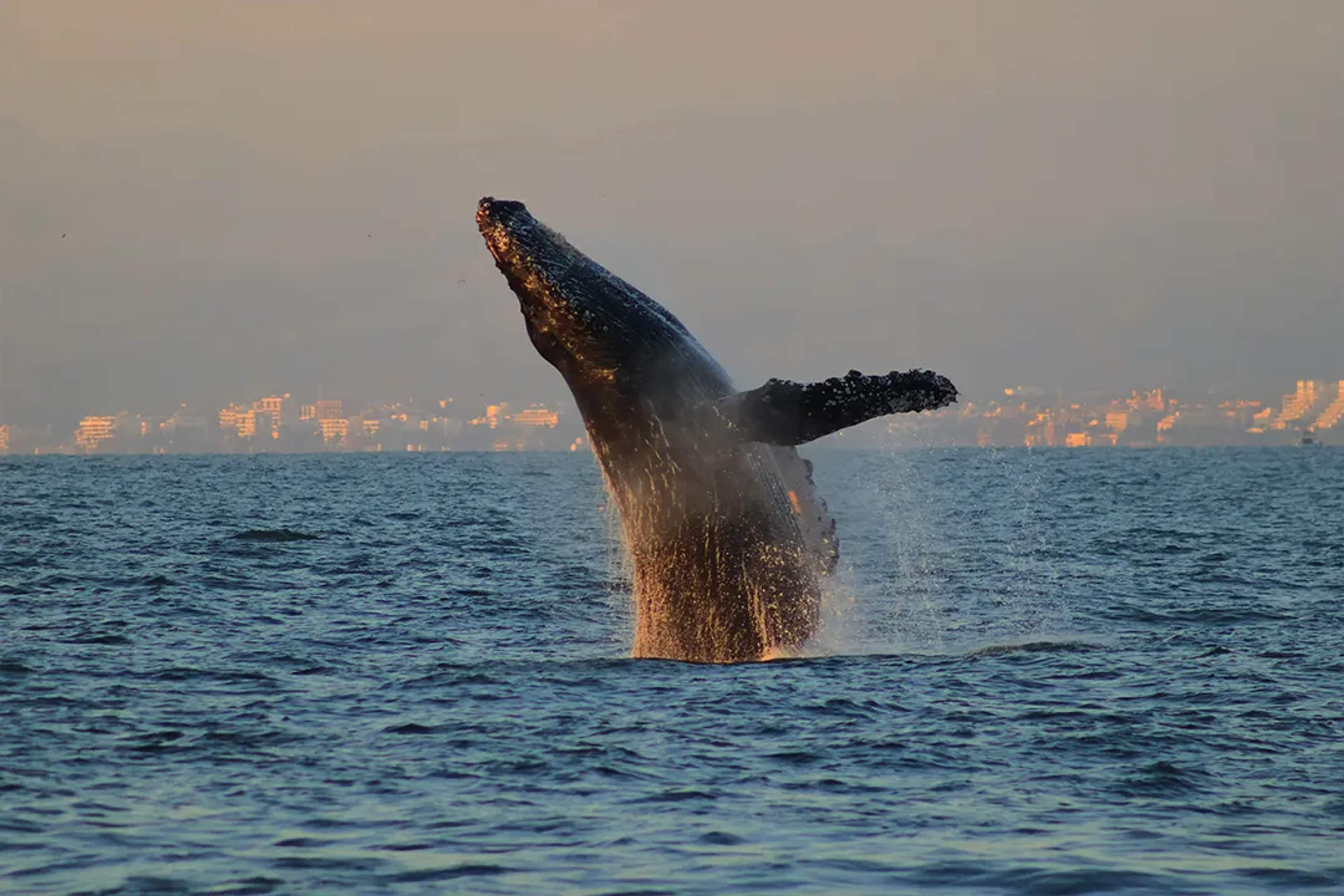
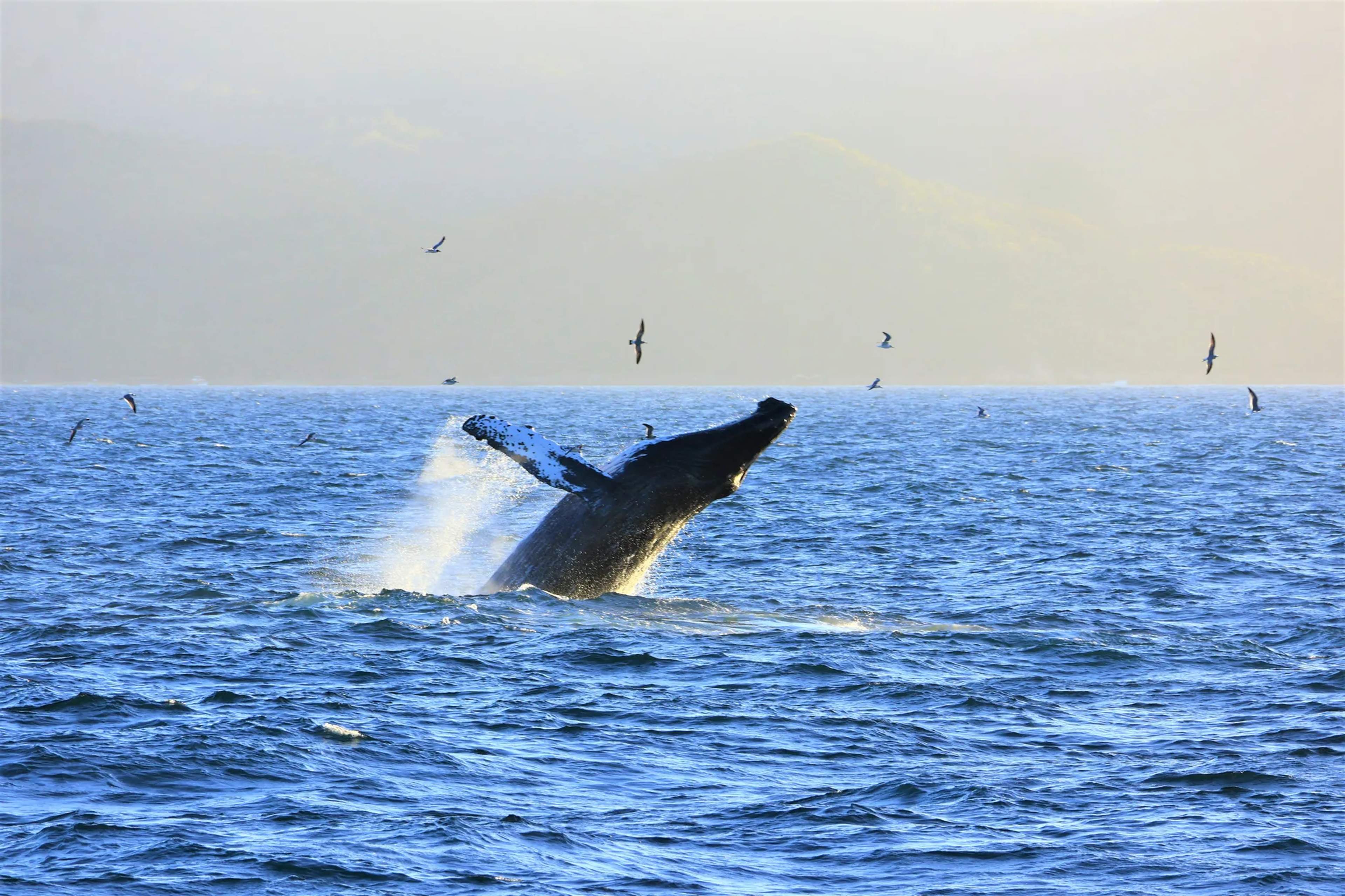
You can watch humpback whales in Banderas Bay in winter. The official window runs from December 8 through March 23 each year.
January and February bring the highest concentration of whales, with frequent surface activity such as breaching and cute tail slapping. Mothers can also be seen nursing their calves.
By March, you may spot young calves in the bay, a nice bonus for a late-season trip. Humpbacks are the main species, though orcas are occasionally seen too.
Other Ways to Enjoy the Water and the Mountains
Whale watching is the headliner. Winter also draws visitors to the bay for the water and the mountains.
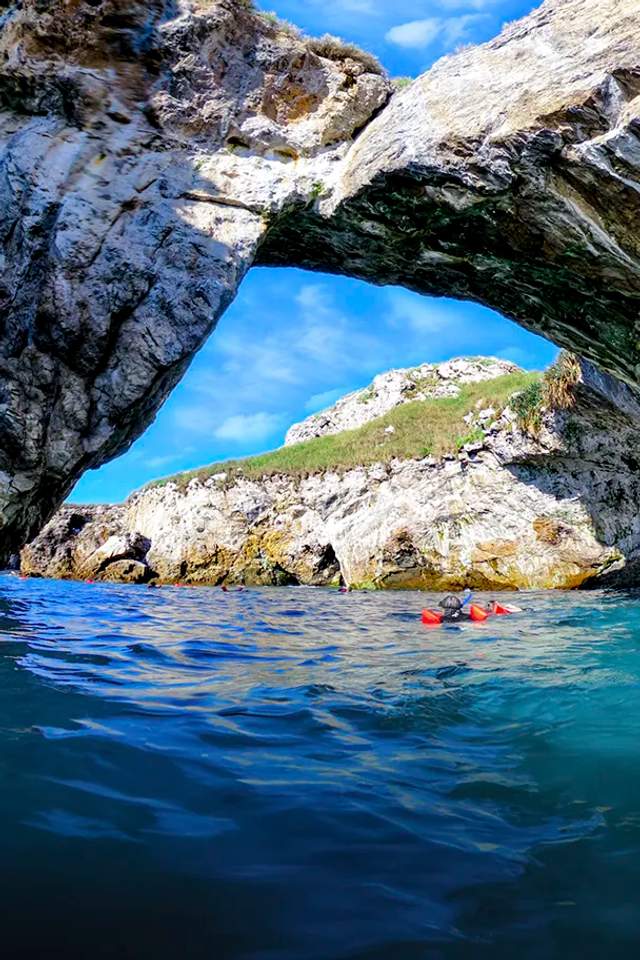
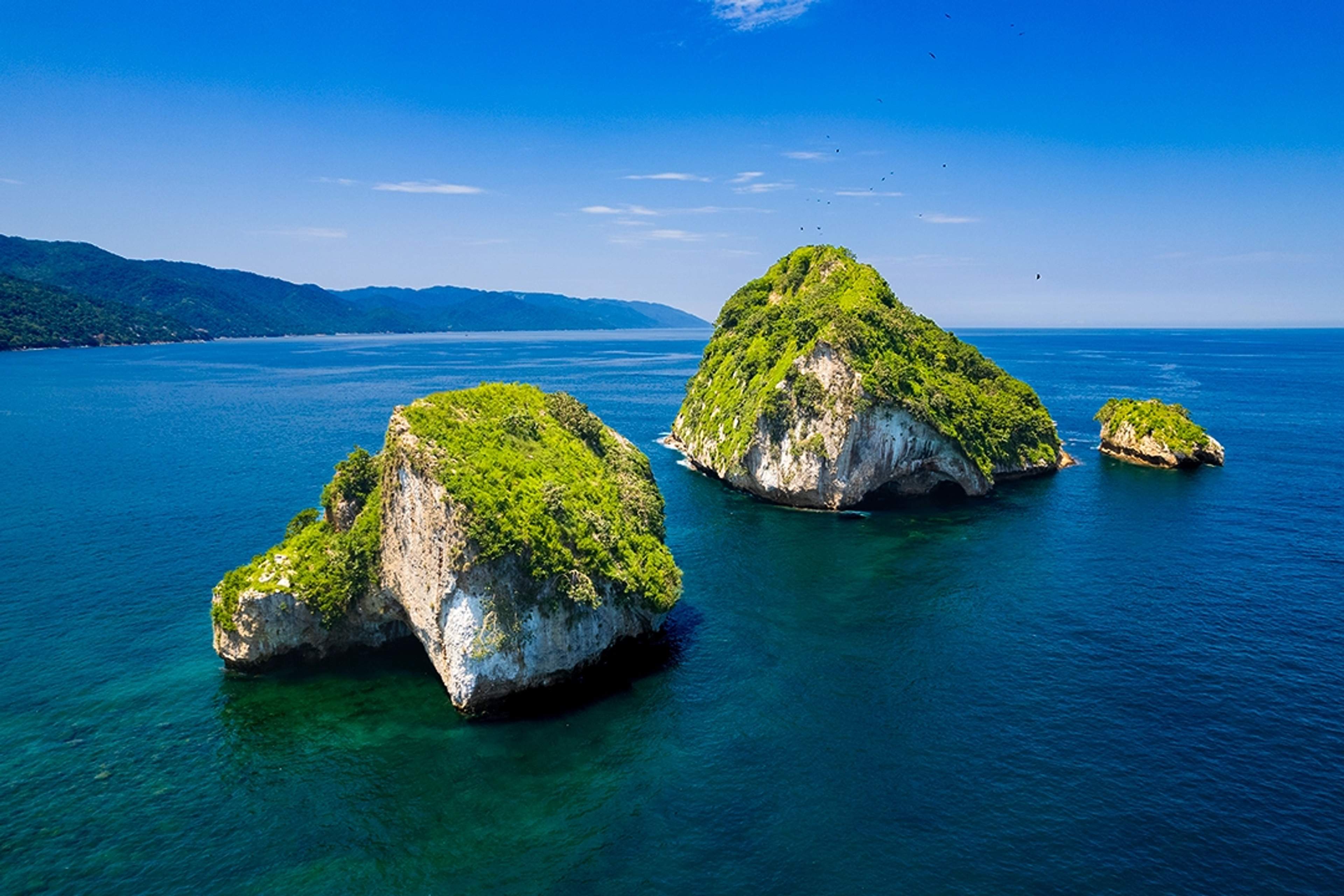
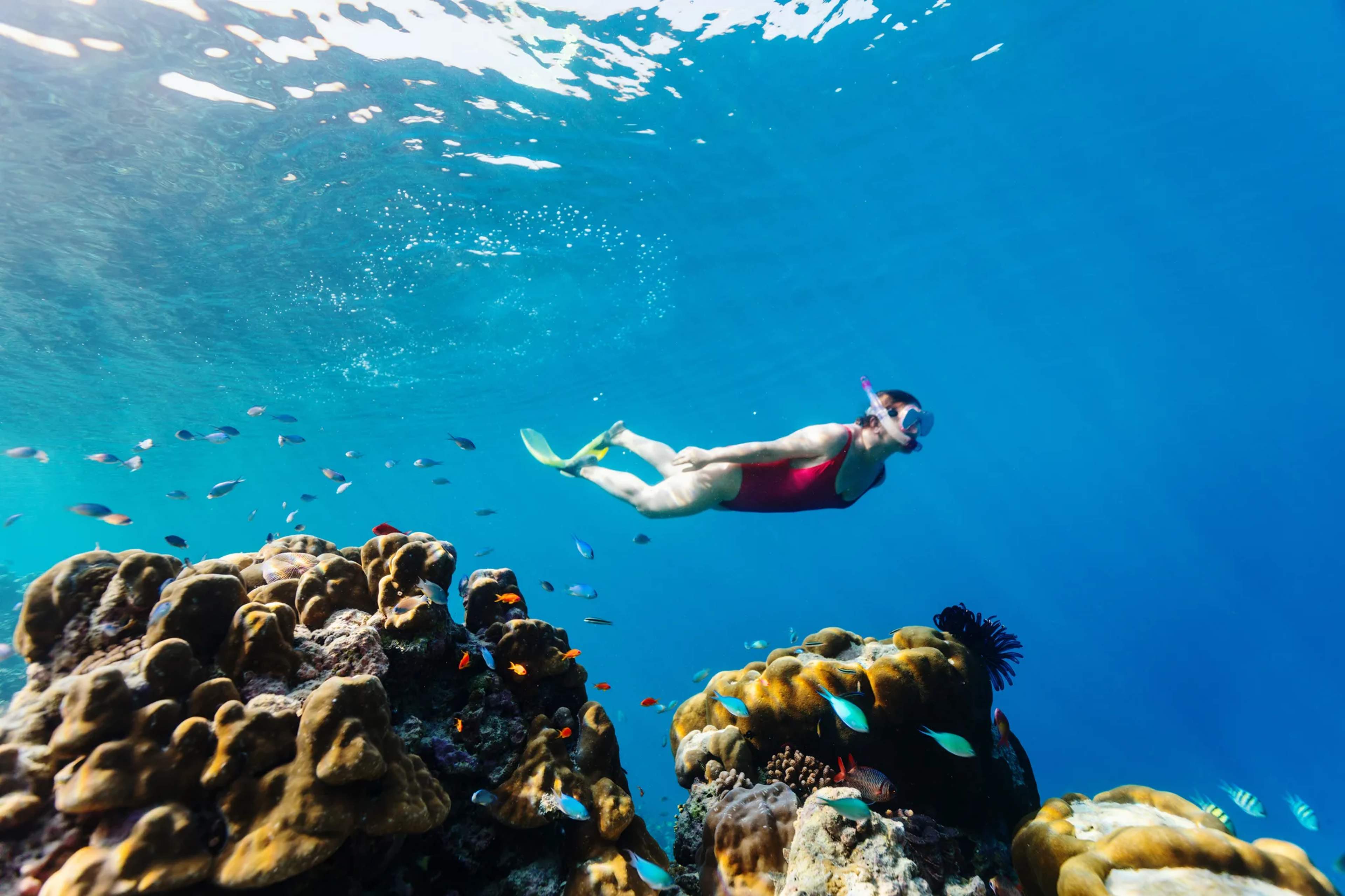
Snorkeling is at its best right now. Los Arcos, a protected marine park about 6 miles south of downtown, has tropical fish, sea turtles, manta rays, and dramatic granite arches.
The Marietas Islands, a protected sanctuary about 20 miles northwest of the bay, offer calm seas, colorful reefs, and over 90 bird species, including the blue-footed booby. Both benefit from the dry-season clarity and calm water.
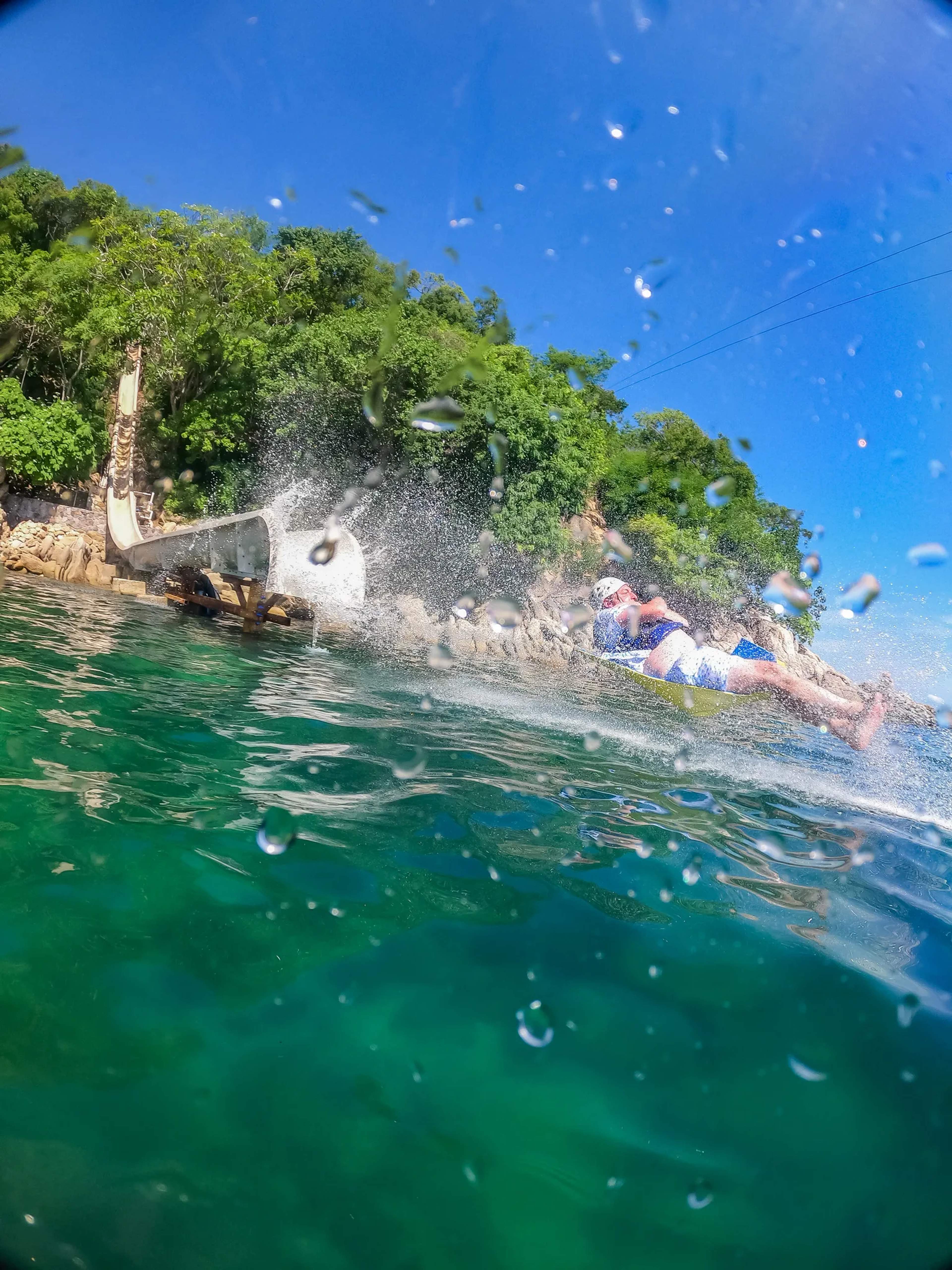
Boat trips along Banderas Bay are a relaxed way to see the coastline, swim at beautiful, calm beaches, and often spot dolphins or a passing whale from the deck.
Up in the mountains, winter is a great time for a Sierra Madre day trip. The cooler air feels refreshing, and dry-season conditions mean far less rain. Colonial towns tucked into the hills are a change of pace from the beach.
Recommended Experiences for the Winter
Whale Watching Cruise
Cruise across Banderas Bay on a roomy catamaran and watch humpbacks breach and dive alongside Marine Mammal experts who share the story behind every sighting. Onboard hydrophones let you actually hear whale songs travel through the water.
A deli-style lunch is served on board with vegetarian and vegan options, and the open bar covers alcoholic and non-alcoholic drinks. Sightings are guaranteed, and if no whales appear during your trip, you get a complimentary second tour.
Book the Whale Watching Cruise
ALMA, Rhythms of the Night Premier
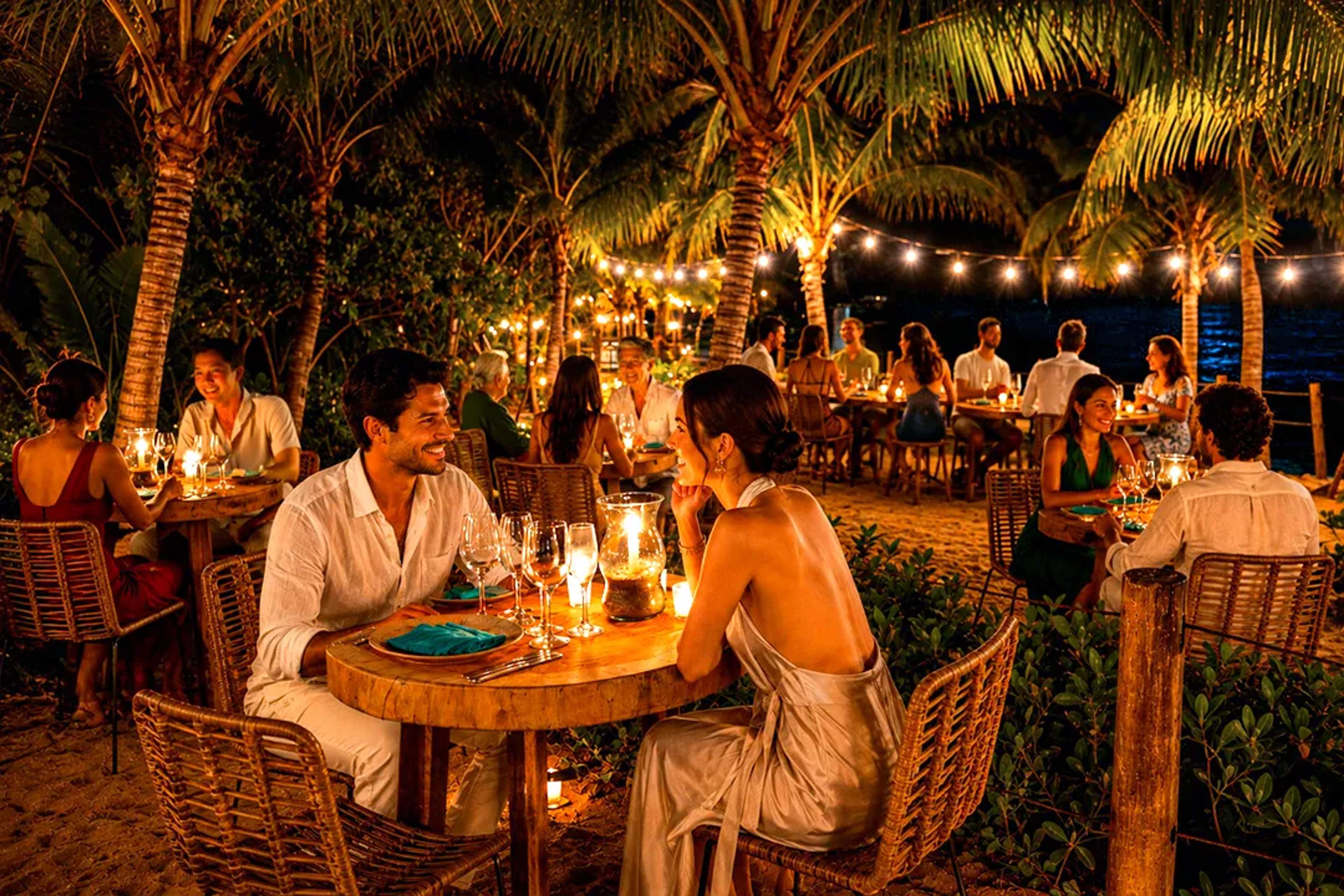
Sail across the bay at sunset to Las Caletas, a beach reachable only by sea. Enjoy a plated dinner by Chef Paco Ruano of Alcalde, one of the Top 50 Restaurants in the World, with unlimited champagne and live music by the ocean. Then, torch-lit paths lead you into ALMA, a staged performance with scenography by Oscar-winner Eugenio Caballero. Cool evenings make this a comfortable option for a night during winter.
Book ALMA, Rhythms of the Night
San Sebastian del Oeste
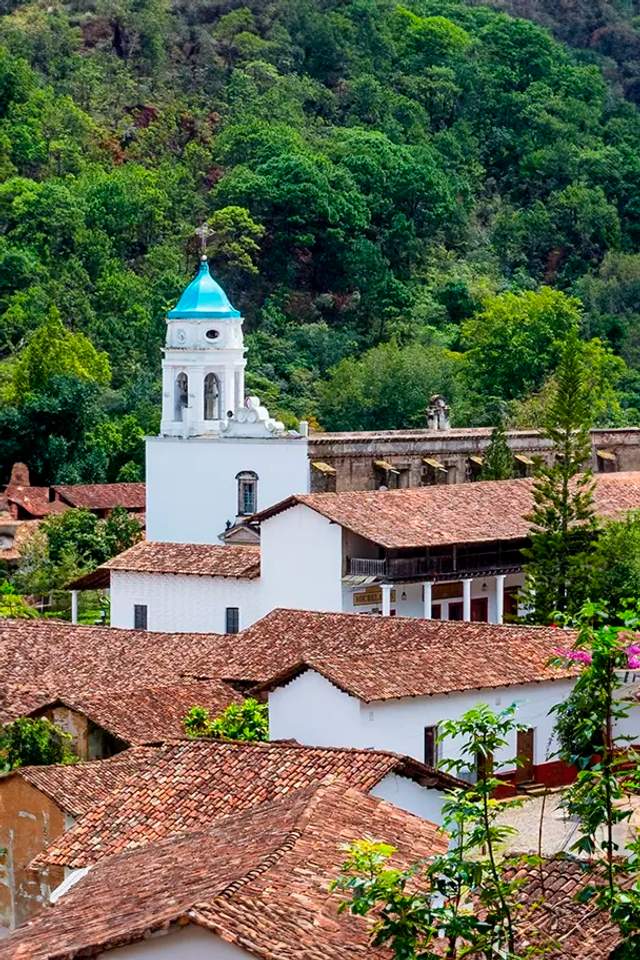
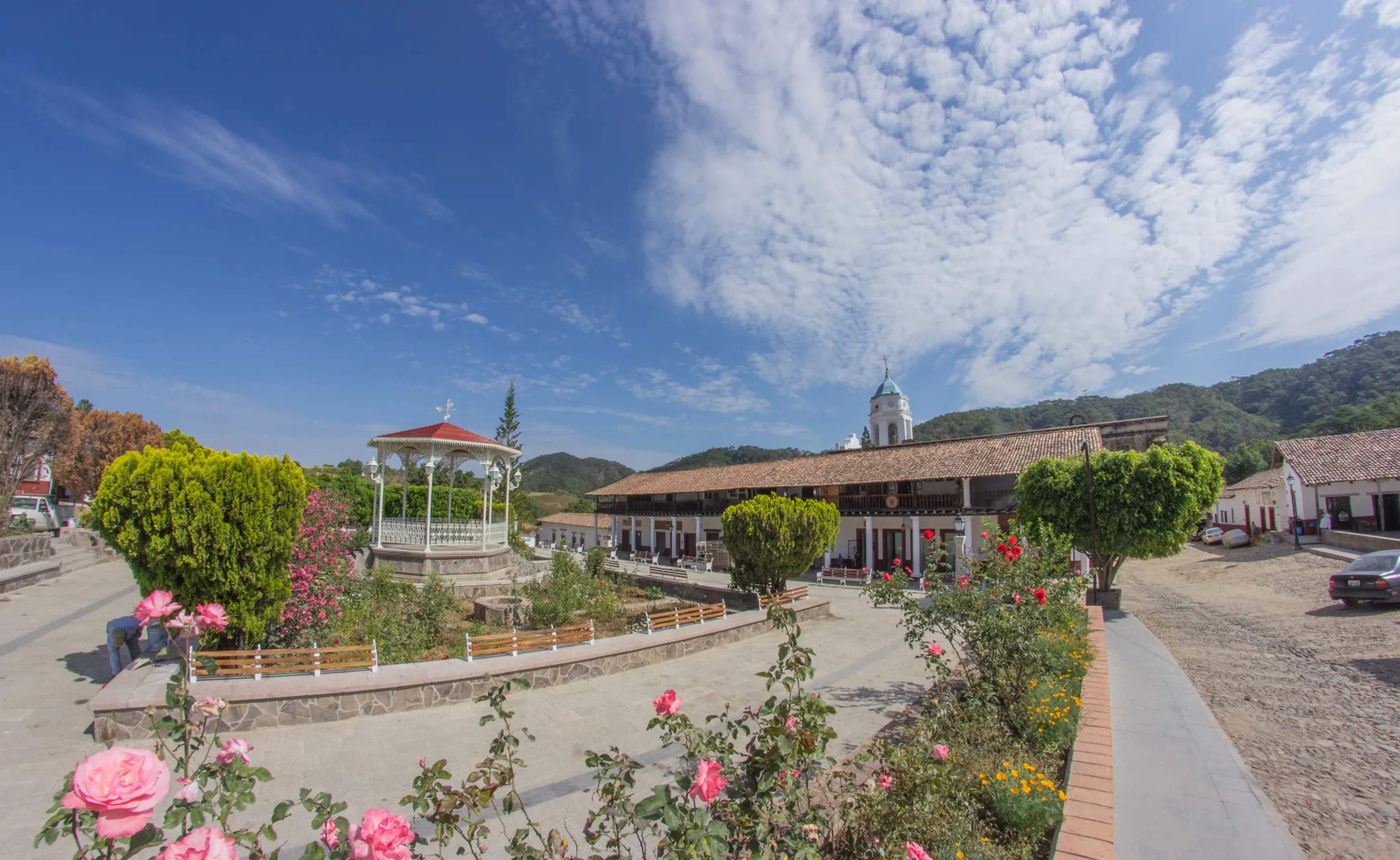
Spend a guided day in a colonial Pueblo Mágico high in the Sierra Madre, about 1 hour 40 minutes from town. Founded in 1605 as a silver mining settlement, San Sebastian still holds onto its cobblestone streets, adobe buildings, and blue-domed church.
Step into a local museum to learn the history of the town, then visit a traditional bakery, a family-owned coffee farm, and a silversmith workshop. Head into the agave fields and taste artisanal tequila at a local distillery before sitting down to a traditional Mexican lunch with wine and beer. You will also have free time to wander at your own pace, and the cool mountain air makes winter an especially good season to do it.
Book a tour to San Sebastian del Oeste
Planning Around Peak Season
Winter is peak season here, and it is worth planning for. The high season runs from late November through Semana Santa, with the holiday peak falling over the Christmas and New Year's weeks.
Popular tours and the best accommodations book out weeks ahead, and New Year's rentals often go months in advance.
If you want great weather with slightly thinner crowds, mid-January through February is a strong choice. It is still winter high season, so expect busier beaches and higher prices. February is sometimes a bit calmer than the holiday peak.
You avoid the holiday spike while keeping peak whale sightings and the lowest rainfall. March is a strong choice for families because the same beautiful weather holds, and crowds are calmer. Whale calves are in the bay.
Decide on your dates and book your whale watching tour and lodging early, especially for holiday travel.
What to Pack
Think beachwear first, with a few light layers for cooler moments. Bring two or three swimsuits, breathable t-shirts, shorts, sundresses, linen shirts, a swimsuit cover-up, and a wide-brimmed sun hat. We recommend sun-protective clothing for long days outdoors.
For evenings and early mornings, pack a light sweater or jacket and a pair of long pants. December and January mornings can feel crisp.
Boat trips call for an extra layer. Temperatures drop noticeably on the water, so a light windbreaker or a hoodie is handy. You will not need a rain jacket on land during winter.
For a Sierra Madre day trip, pack warmer layers. Mountain towns sit at higher elevations and stay noticeably cooler than the coast.
Frequently Asked Questions
Which Winter Month Is Best for a First Visit to Puerto Vallarta?
They are all good, and the weather barely changes between December and March. If you want the liveliest atmosphere with holiday events, December is festive. For the best whale watching and lowest rainfall, aim for January or February. March suits families well because warm days continue and crowds have thinned after the holidays. Whale calves are in the bay. Mid-January through February usually gives you great conditions with slightly fewer people than the holiday weeks.
Whatever month you choose, book tours and lodging early, since this is the busiest travel window of the year.
Do I Need to Book Winter Activities in Advance?
Book winter activities in advance. Winter is peak season, and the most popular tours fill up quickly, especially whale watching cruises and anything around Christmas and New Year's. Booking ahead locks in your preferred date and time, which matters when you have limited vacation days and a full list of things you want to do. It also means one less thing to sort out once you arrive. If you are traveling over the holidays, treat early booking as essential.
Reserving a few weeks out, or even a couple of months for the busiest stretches, is the surest way to build the itinerary you have been picturing without last-minute stress.
Is the Water Calm Enough for Snorkeling and Boat Trips in Winter?
Yes. The dry season brings some of the calmest seas and clearest water of the year, which is exactly what you want for snorkeling and boat days. Spots like Los Arcos and the Marietas Islands offer chances to see tropical fish, sea turtles, and rays, while these months are especially associated with whale sightings. The ocean stays warm, too, so you can snorkel comfortably without thermal protection.
Conditions can still vary day to day, which is one reason we recommend going out with a guided tour. You get local knowledge of the best spots, the right timing, safety on the water, and context about the marine life you are seeing, all of which make the day easier and more rewarding.