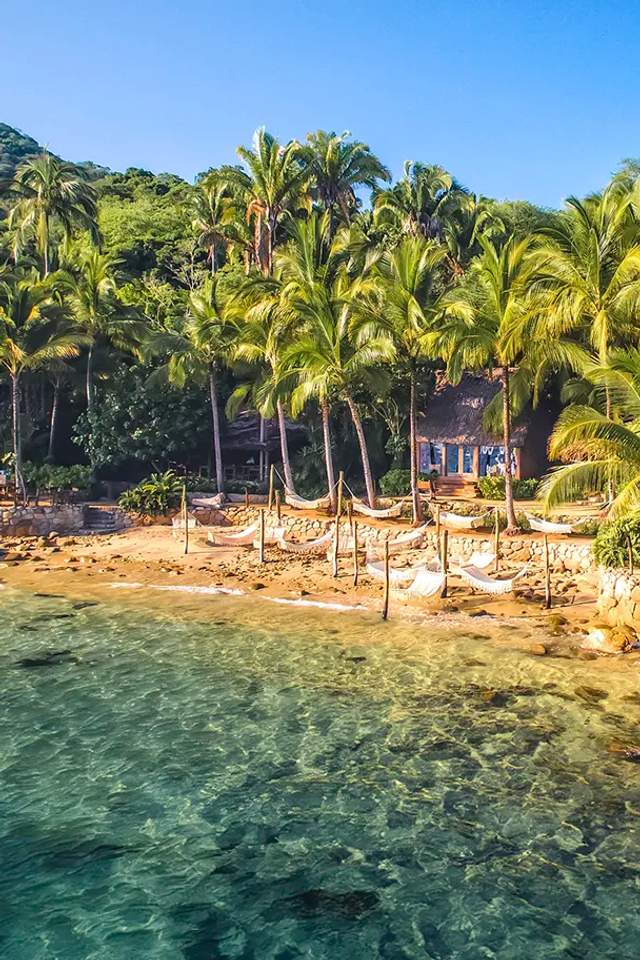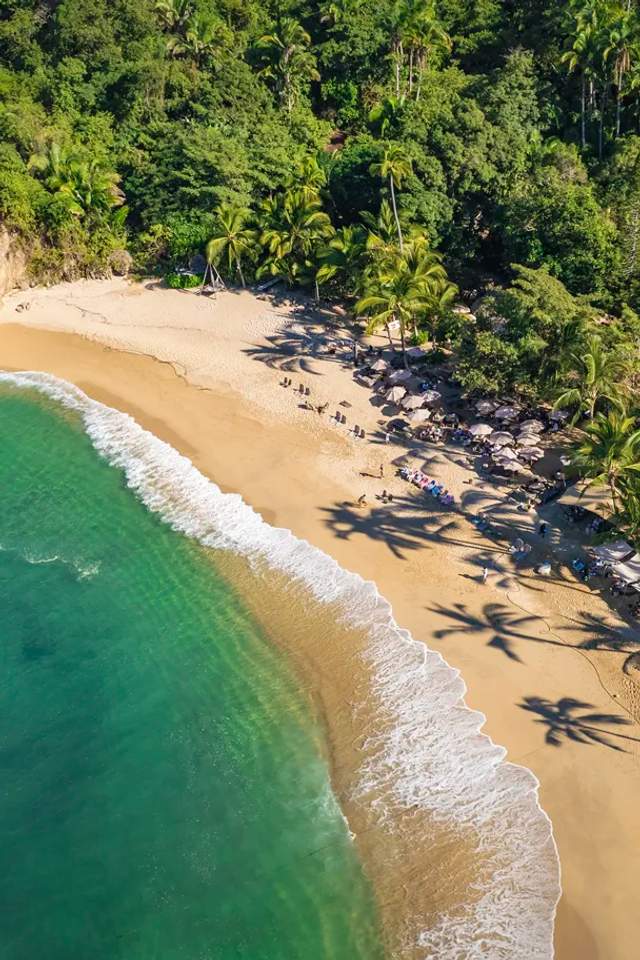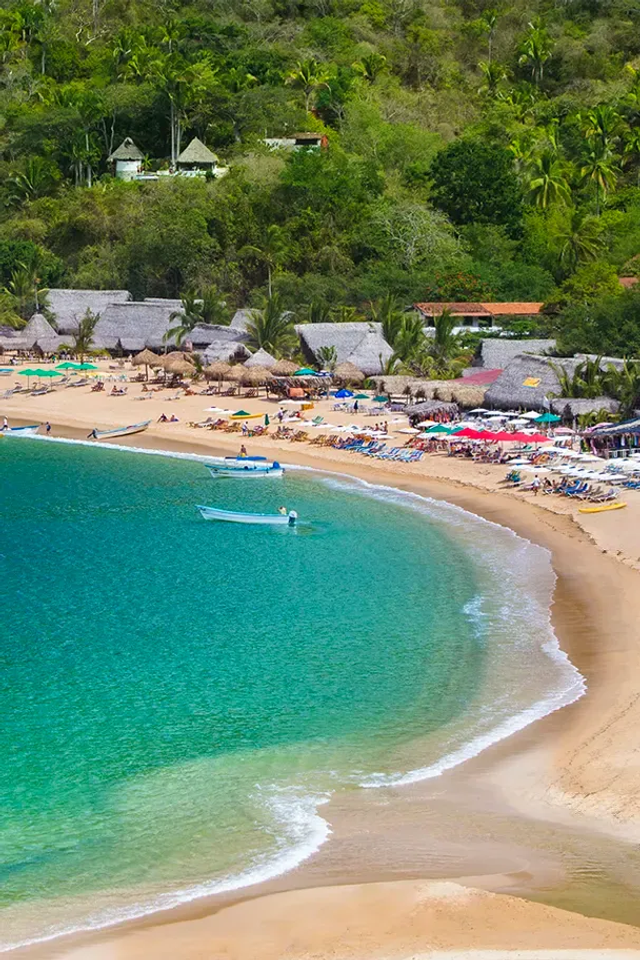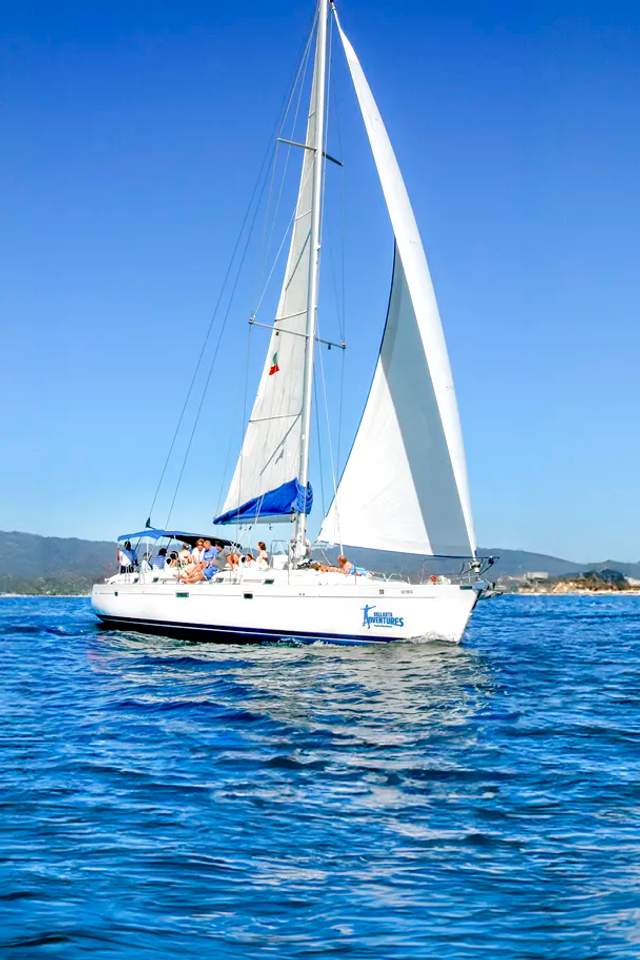
Puerto Vallarta’s coastline gives beach lovers a lot more variety than one long strip of sand. Along this coast, we find coves, open bays, and quieter stretches with their own feel. Public beach access matters here too, because the beaches here are open to everyone.
In Puerto Vallarta, the beach itself remains public. Even if a resort sits right on the sand, you still have the legal right to walk the shoreline and settle in.
That matters, because some of the best spots in Puerto Vallarta are not the ones with the biggest resort signs out front. They are the ones we find by walking a little farther, catching a local bus, or boarding a boat south along the coast. We’ve spent years exploring this shoreline, and the beaches below are the ones we keep coming back to.
Hotel Zone Beaches We Recommend
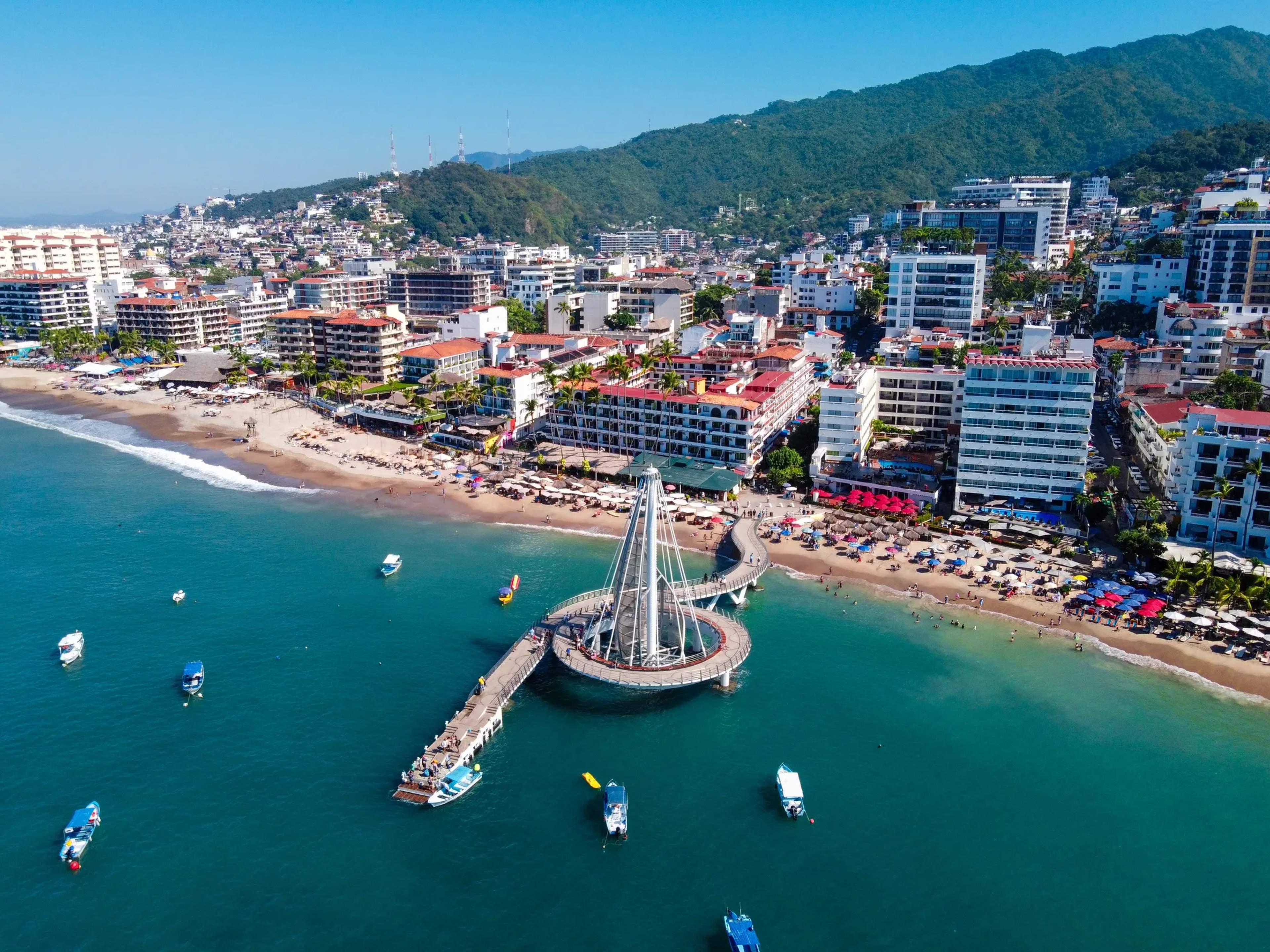
The beaches closest to the Hotel Zone get overlooked by travelers who assume they are reserved for hotel guests. They are not. Several also carry Blue Flag certification, an international designation awarded for excellence in water quality, safety, and environmental management.
Playa Palmares is a solid pick for families and anyone who values accessibility. It has wheelchair ramps, parking, and the kind of calm, organized setup that makes a full beach day easy. It is Blue Flag certified, and the water quality reflects it.
Playa Camarones is another Blue Flag certified Hotel Zone beach and a good option if you want to combine a beach morning with an afternoon exploring the waterfront.
Playa de Oro stands out for holding two separate certifications. It carries the international Blue Flag designation and the Mexican government’s Bandera Blanca seal. That dual recognition reflects consistent water quality and well-maintained facilities. If we were comparing Hotel Zone beaches for the strongest quality standards, this is the one.
Playa Tranquila, near the Sheraton Buganvilias, rounds out the Blue Flag list. It is a quieter stretch than Camarones, and the name fits. We like it for a calmer morning in the water without going far from the hotel area.
South Shore Beaches Worth the Trip
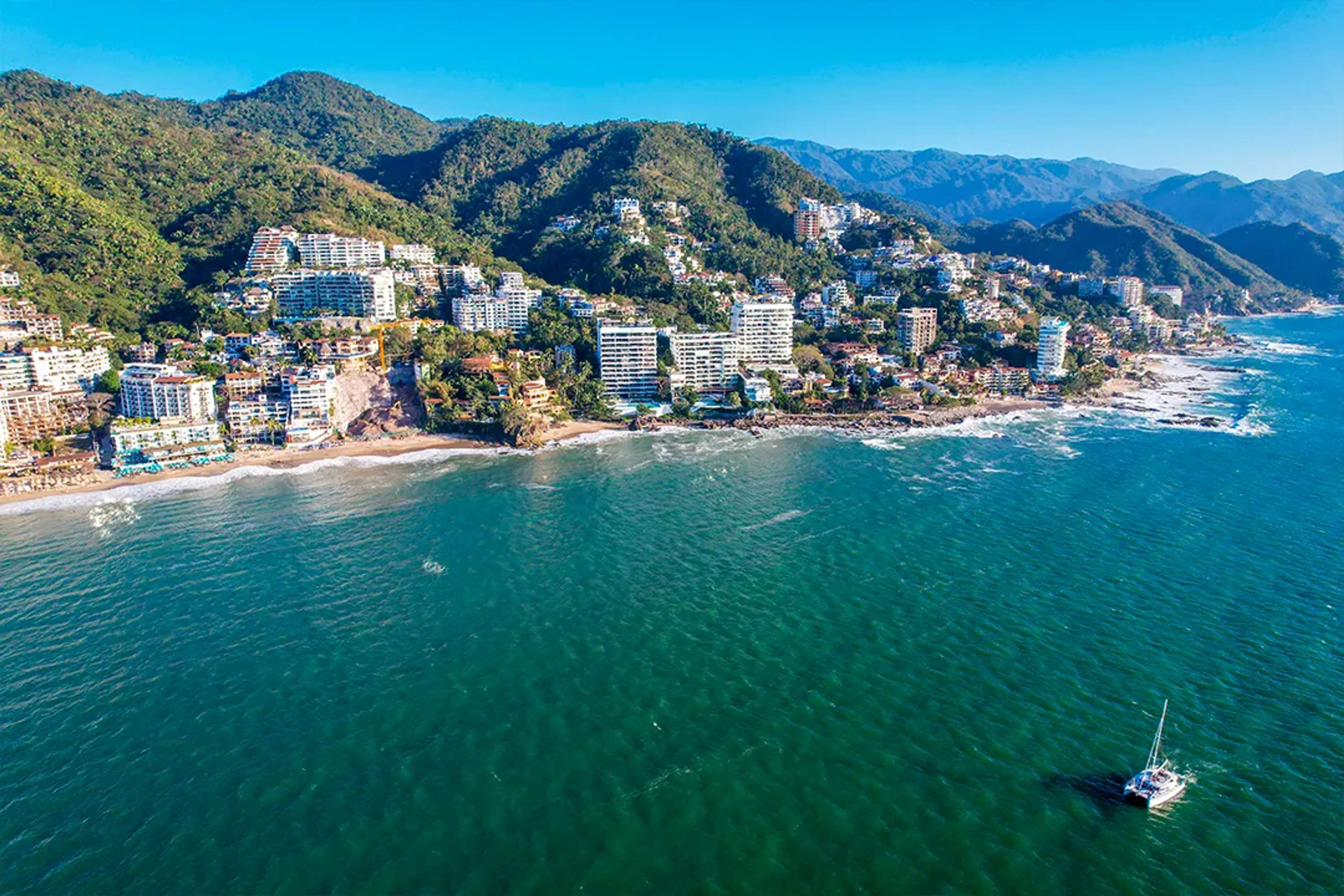
Head south from the Hotel Zone and the beaches start to change. The sand gets coarser in some spots, the jungle moves closer to the waterline, and the crowds thin out.
Mismaloya sits south of the city center along the coastal road. Getting there is easy by local bus or taxi, and it is a common departure point for travelers heading toward more remote southern beaches. The bay here has a different feel from the Hotel Zone, with the Sierra Madre foothills pressing close to the water and a real sense of transition between the city’s coastline and the wilder stretches farther south.
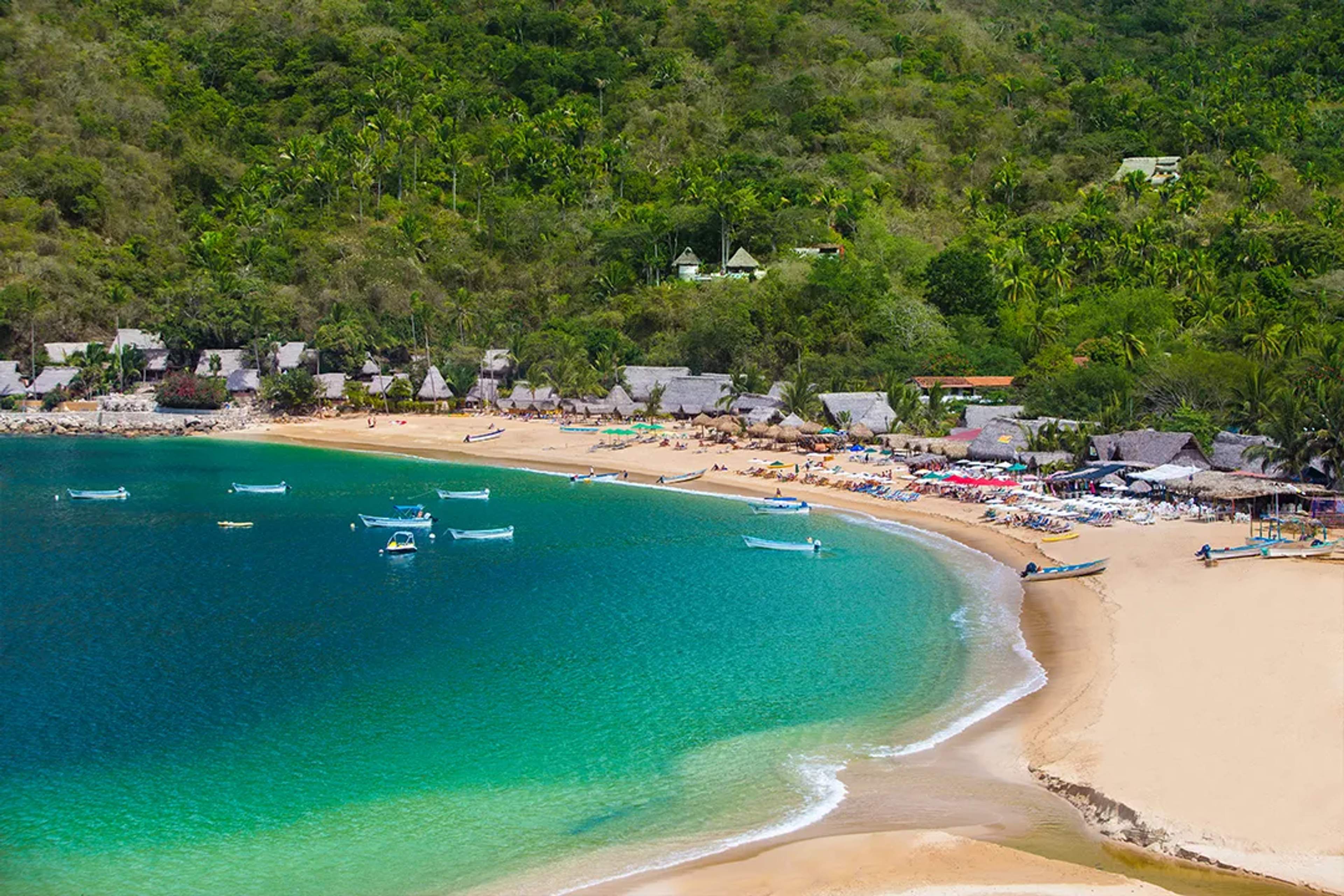
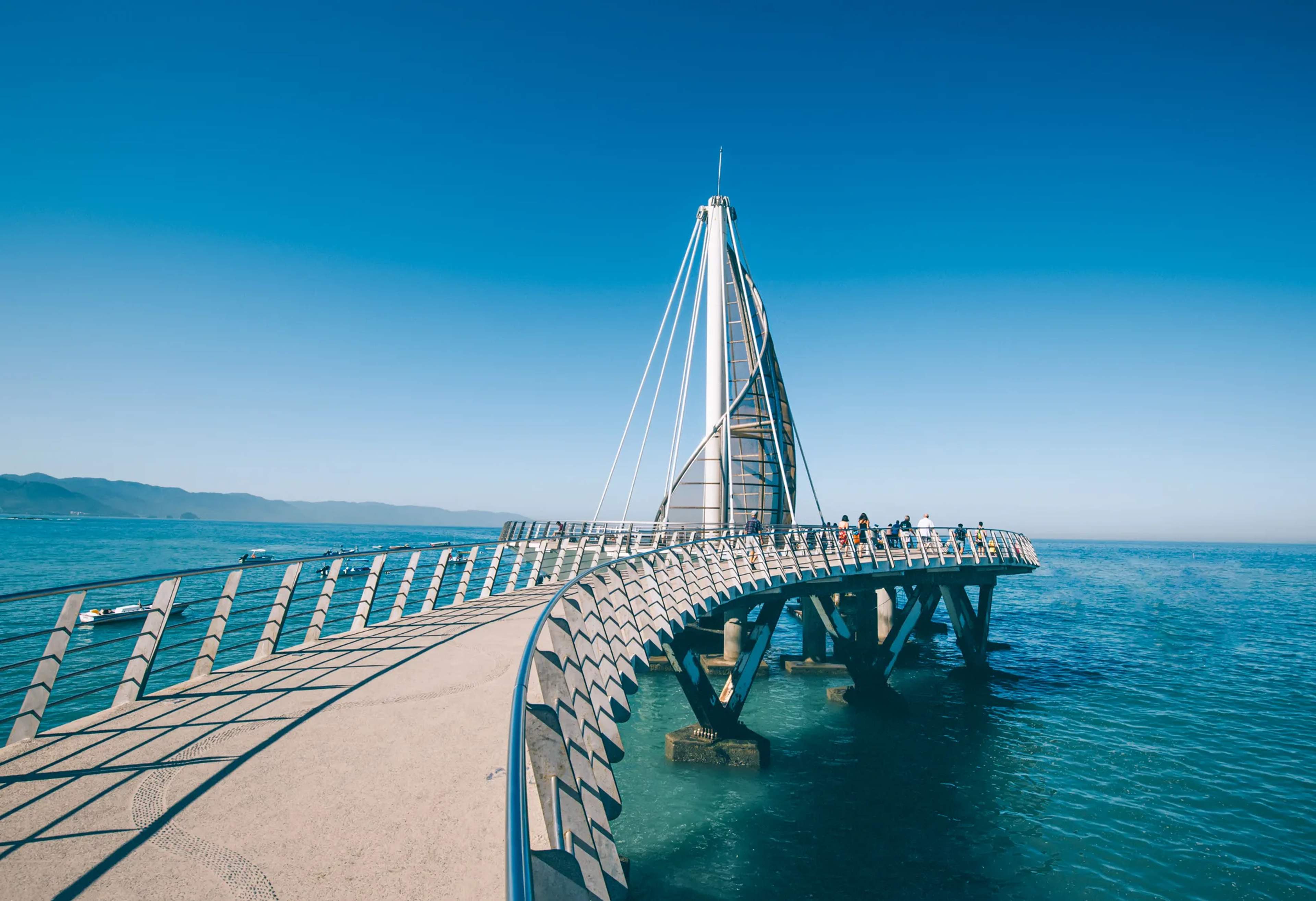
Colomitos is a tucked-away beach on this stretch of coast, and the effort of reaching it filters out casual visitors. It is regularly mentioned among the most praised beaches along the southern shore, often in the same breath as Majahuitas and Yelapa. It's worth noting that it is accessible only by boat or a local-only hike (once you get to Boca, ask around to be pointed in the right direction to find the trail).
Why Boat Access Changes the Feel
There is a pattern along this coastline that we notice again and again. The beaches people talk about long after they get home usually share one thing. You can only reach them by water.
The terrain south of Puerto Vallarta has shaped that reality. The Sierra Madre mountains run right to the coast south of the city, leaving no room for roads. That natural barrier has helped keep these beaches free from large-scale development for generations.
Limited access helps keep the sand clean, the water clear, and the overall feel peaceful. That is a big part of why these beaches keep their character year after year.
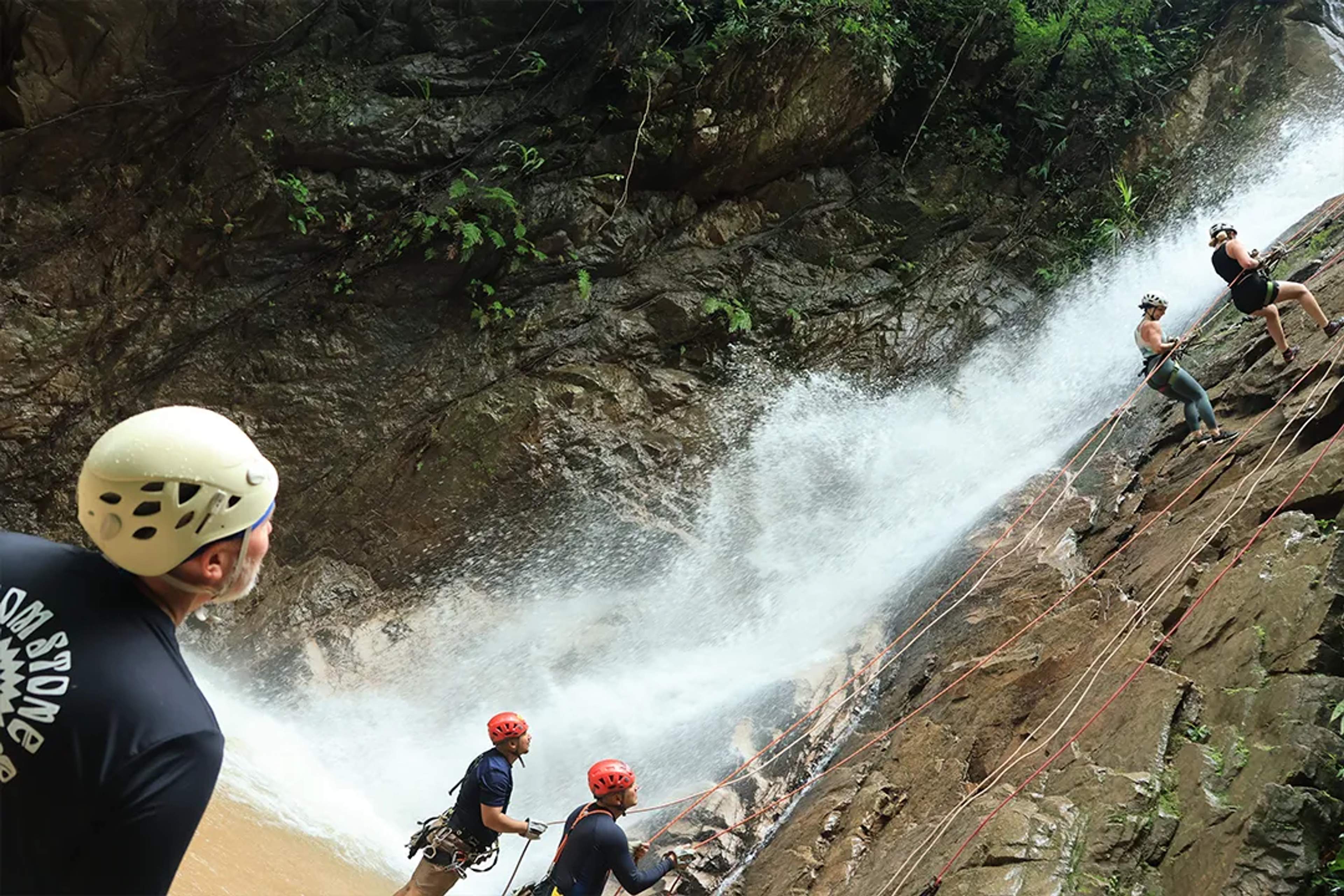
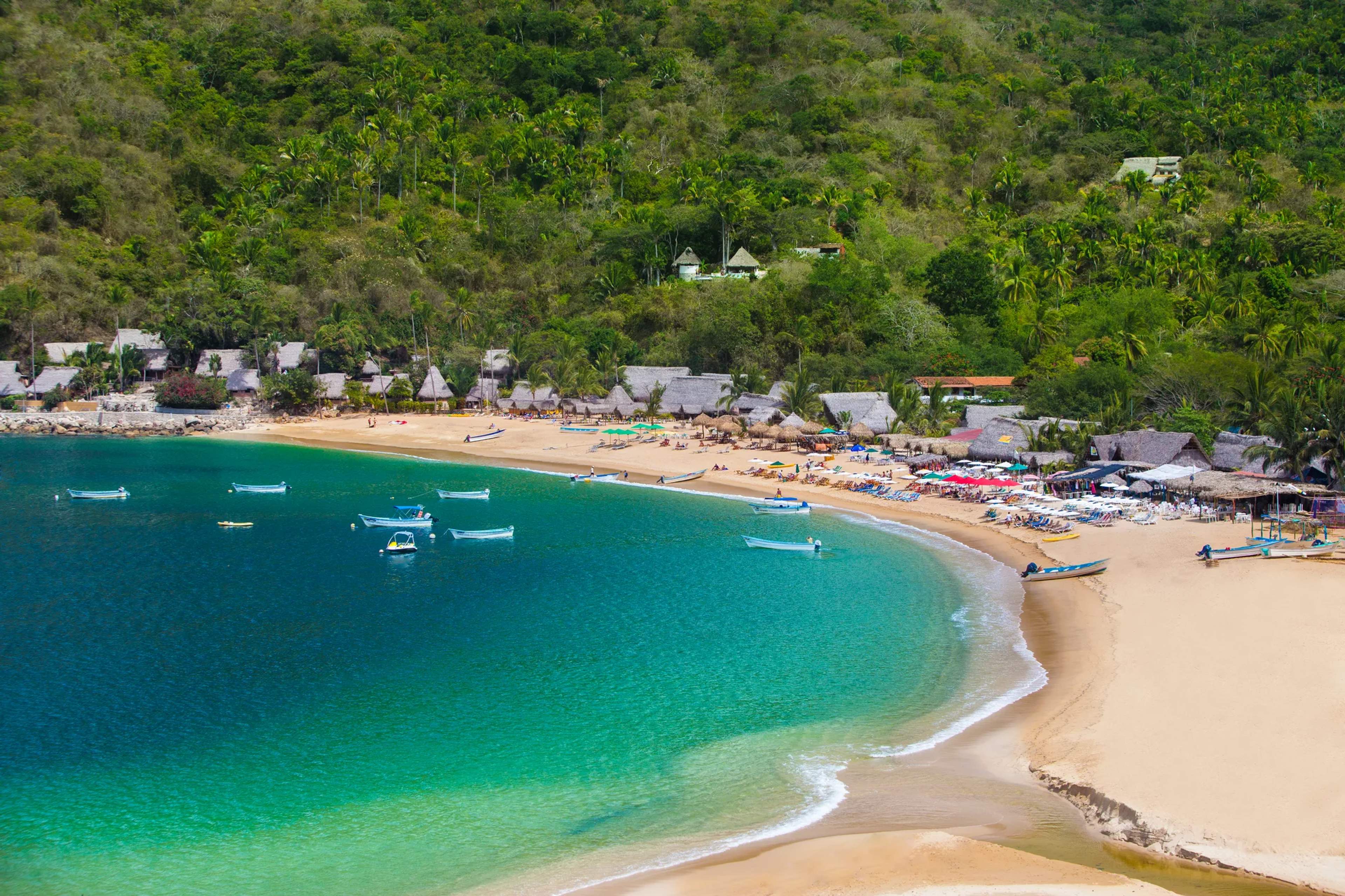
Yelapa is probably the best-known boat-access destination. It is a small fishing village with a sandy beach and a pace that moves on its own schedule. During the rainy season from July through December, the Cola de Caballo waterfall comes to life nearby and adds a jungle walk to the beach day.
Majahuitas is a cove with clear snorkeling conditions and some of the calmest water in Banderas Bay. The setting feels wild in the best way, and the limited access keeps crowds to a minimum.
Las Caletas takes that even further. There is no public ferry service. It is accessible only through guided visits, which helps keep the number of people on the beach well below what you would see at any Hotel Zone spot. The surrounding jungle and calm cove reward anyone willing to leave the resort behind.
Las Animas, which is very famous among the locals, is also accessible only by boat.
Practical Tips for Puerto Vallarta Beach Days
Getting around. Local buses run along the coast and can drop you at Mismaloya and several points in between. Water taxis run to Yelapa and other southern beaches. If you want everything coordinated without the logistical hassle, we offer guided trips that make reaching the more remote shores much easier.
What to bring. Sun-protective clothing, a hat, water shoes for beaches with pebbles near the waterline, and a dry bag for your phone. Reef-safe practices matter here because the marine life people come to see depends on healthy water.
When to visit. Puerto Vallarta’s beaches are worth visiting year-round. Conditions shift through the year. The dry season brings warm days and calm seas. The rainy season, roughly July through December, brings afternoon showers, warmer water, green hillsides, and fewer people on the sand. Each season has its own appeal.
Two Boat-Only Beaches We Love Most
If you came to Puerto Vallarta looking for more than the resort shoreline, some of the most rewarding beach days happen on the water. Two spots south of the city stand apart along Banderas Bay, and both are worth building a day around.
Las Caletas for a Full Beach Day
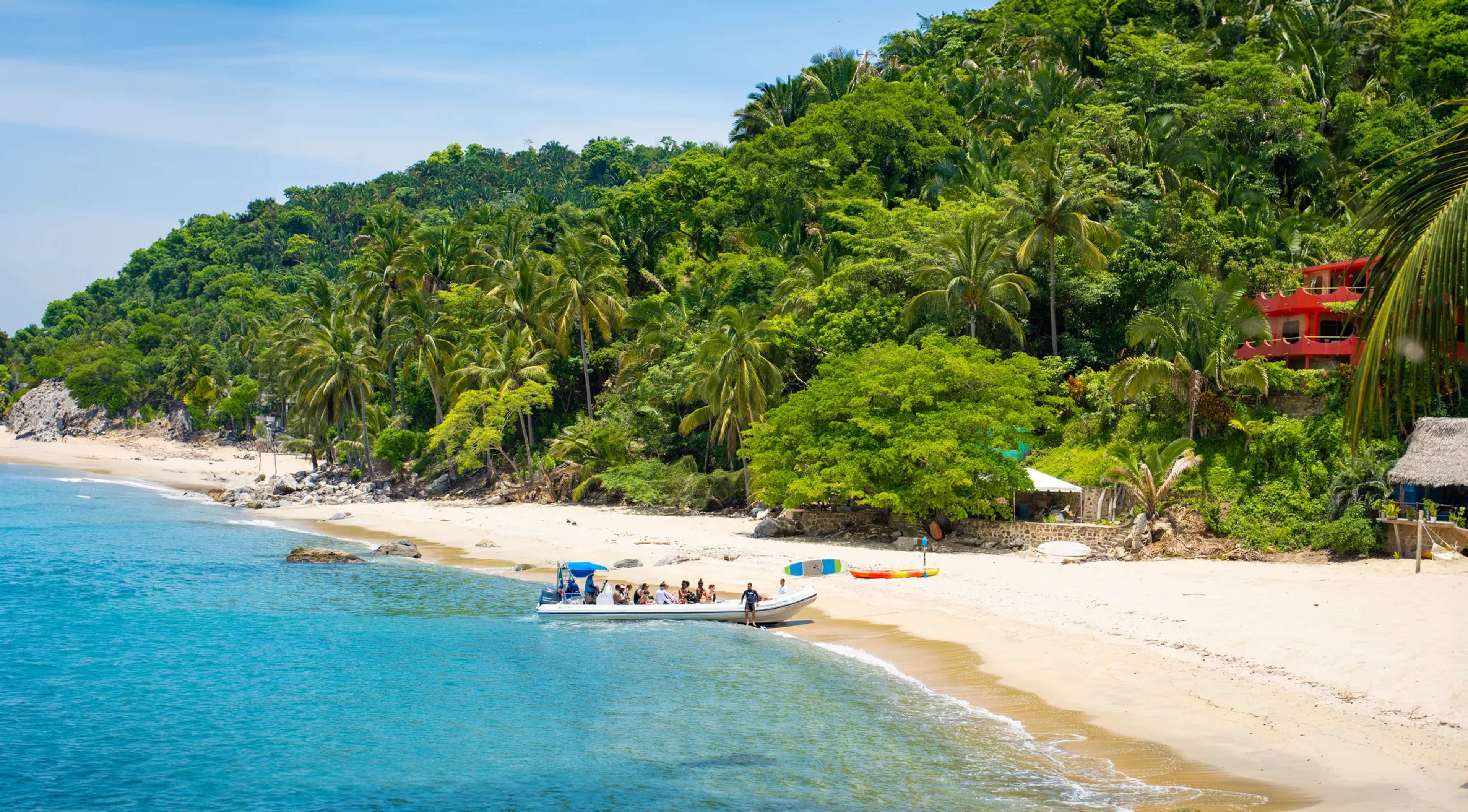
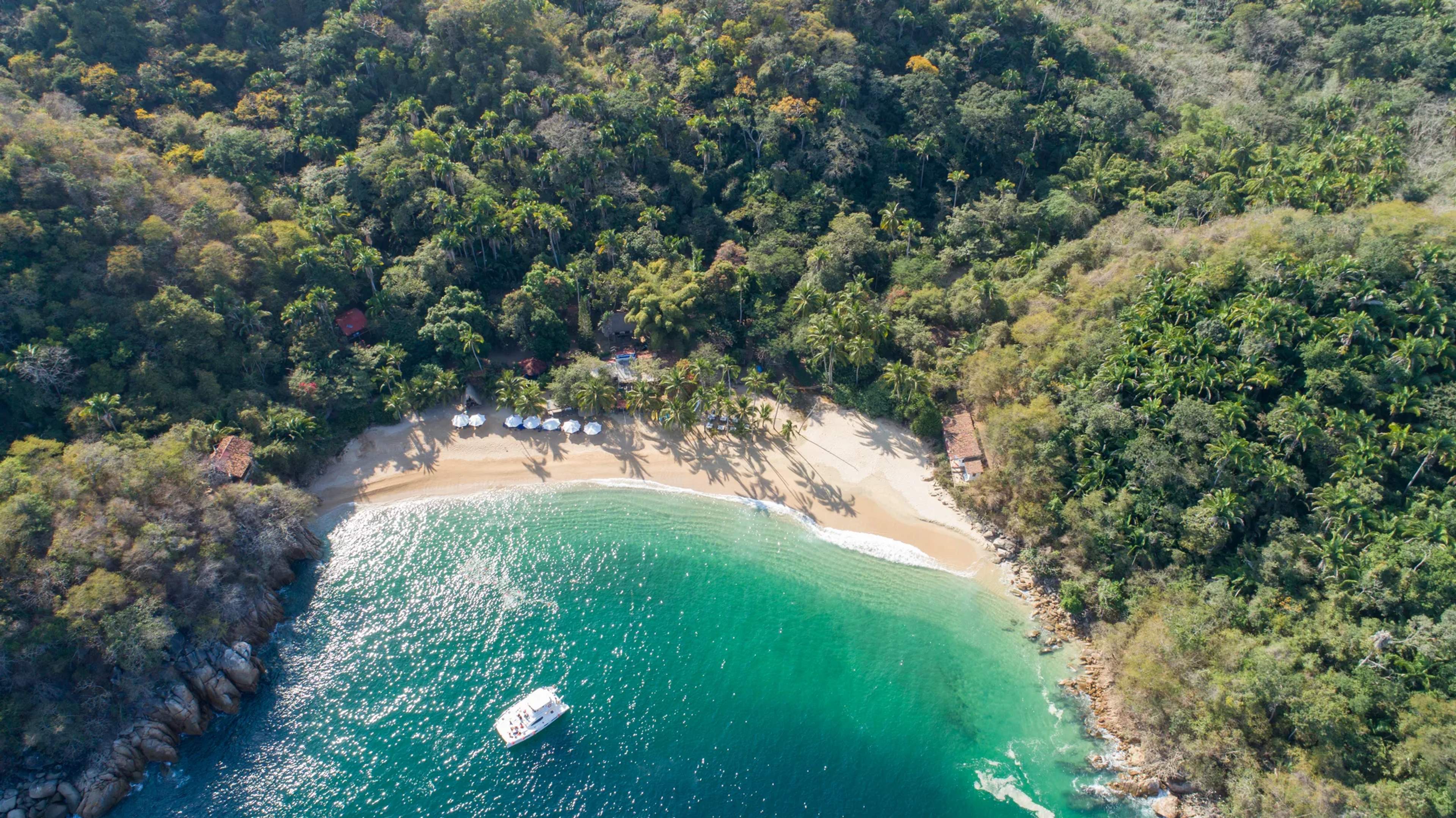
Las Caletas is a jungle-framed cove with no road, no public ferry, and no crowds. The only way to get there is by boat, and that is exactly why people love it. You arrive to calm water, a quiet beach, and clear snorkeling along this section of coast. The jungle behind the beach is worth exploring too, with trails that wind through tropical forest.
The tour Las Caletas Beach & Adventure Park is a full day on this private beach. Our boat ride along the coast sets the tone before you even step onto the sand. For travelers who want a beach day that feels remote without the stress of arranging transport on their own, this is the most straightforward way to go, because it is the only way.
Majahuitas and the Southern Coast
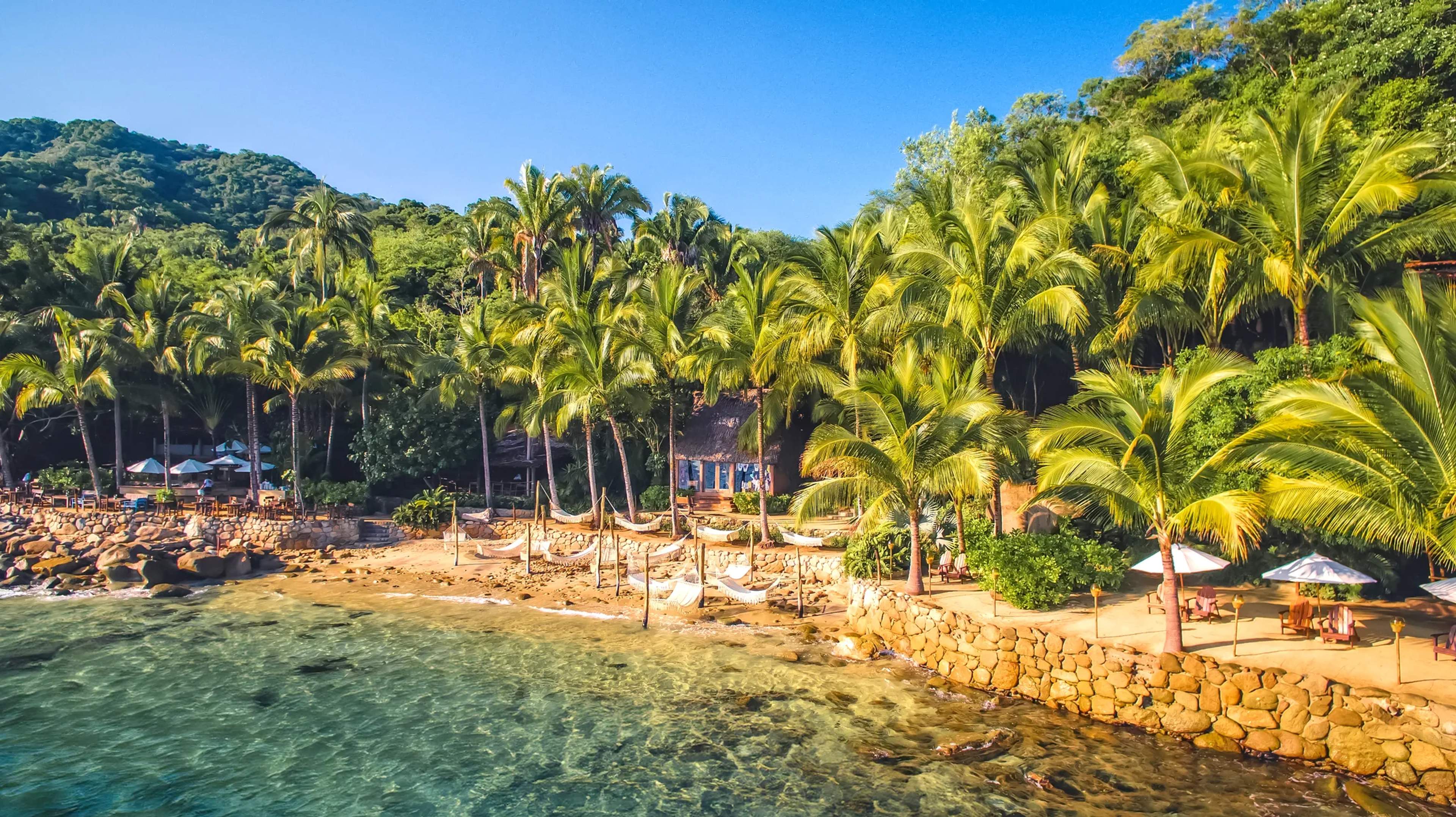
Majahuitas sits in a cove where the jungle meets the Pacific. The snorkeling is in clear, calm water, and the setting feels untouched. We come here for the quiet, the water, and the sense of being far from the city.
You can pair Majahuitas with a visit to Quimixto, the fishing village down the coast where daily life moves at its own rhythm. During the rainy season, a guided walk to the Cola de Caballo waterfall adds a completely different side to the day.
Our Yelapa & Majahuitas Beach BBQ brings both beaches into a single day on the water. You get the snorkeling and stillness of Majahuitas, the village charm of Yelapa, and a beachside barbecue that turns the outing into the kind of day travelers often hope to find when they come here.
These two spots show what makes Puerto Vallarta’s coastline special. The mountains kept the roads out, and the ocean kept the beauty in. All you need is a boat.
Frequently Asked Questions
Are the beaches in Puerto Vallarta public?
Yes. Beaches in Puerto Vallarta are public, and that is one of the best things to know before planning your beach days. Even when a resort sits directly on the sand, the beach itself remains public.
That means you can walk the shoreline, choose your own place to sit, and enjoy stretches of coast that many travelers wrongly assume are only for hotel guests. We always recommend keeping this in mind when exploring the Hotel Zone and the south shore, because some of the most rewarding beach time comes from going a little farther than the obvious resort frontage.
Public access is a big part of why Puerto Vallarta works so well for travelers who want variety. In one trip, you can spend a morning on an easy-access city beach and another day heading by boat to a quieter cove farther south.
Which Puerto Vallarta beaches are easiest to reach without a boat?
The easiest public beaches to reach without a boat are in and around the Hotel Zone and along the south coast road. We usually recommend Playa Palmares, Playa Camarones, Playa de Oro, and Mismaloya for travelers who want a straightforward beach day without extra transport planning.
These beaches are easier to work into a half day or a relaxed full day because local buses and taxis can get you close. Playa Palmares is especially useful for families and anyone who wants a more organized setup.
Mismaloya is a good next step if you want to leave the city area behind while still keeping the journey simple. If you want to go farther south to places like Yelapa or Majahuitas, that is where water transport becomes part of the day. For many travelers, joining a guided boat trip is the easiest way to enjoy those beaches without having to sort out connections.
Are boat-only beaches in Puerto Vallarta worth it?
Yes, especially if you want the side of Puerto Vallarta that feels quieter and more connected to the coastline itself. Boat-only beaches like Yelapa, Majahuitas, and Las Caletas stand out because access is limited and the mountains have kept roads away from much of the south shore.
That changes the whole feel of the day. The setting tends to feel calmer, the beaches feel more removed from the city, and the journey there becomes part of what makes the visit memorable.
We usually tell travelers that if they only stay on the nearest resort beach, they miss one of the best parts of Banderas Bay. A boat trip opens up coves and villages that show a very different rhythm of the coast. If you want the easiest version of that day, booking a guided outing keeps transport, timing, and beach logistics simple.
When should we visit Puerto Vallarta beaches?
Puerto Vallarta’s beaches are worth visiting year-round, so the best time depends more on the kind of day you want than on a single perfect season. In the dry season, we usually see warm days and calmer seas, which works well for classic beach time and boat outings.
In the rainy season, the coast feels greener, the water is warmer, and the beaches can feel less busy. That season also brings the Yelapa waterfall to life, which adds something extra if you plan a day to the south shore.
We like to remind travelers that each season gives the bay a slightly different mood. If your priority is an easy beach day near town, almost any time of year works. If you want a full day by boat, the season can shape what the coast looks and feels like, but there is no bad time to get out on the water.