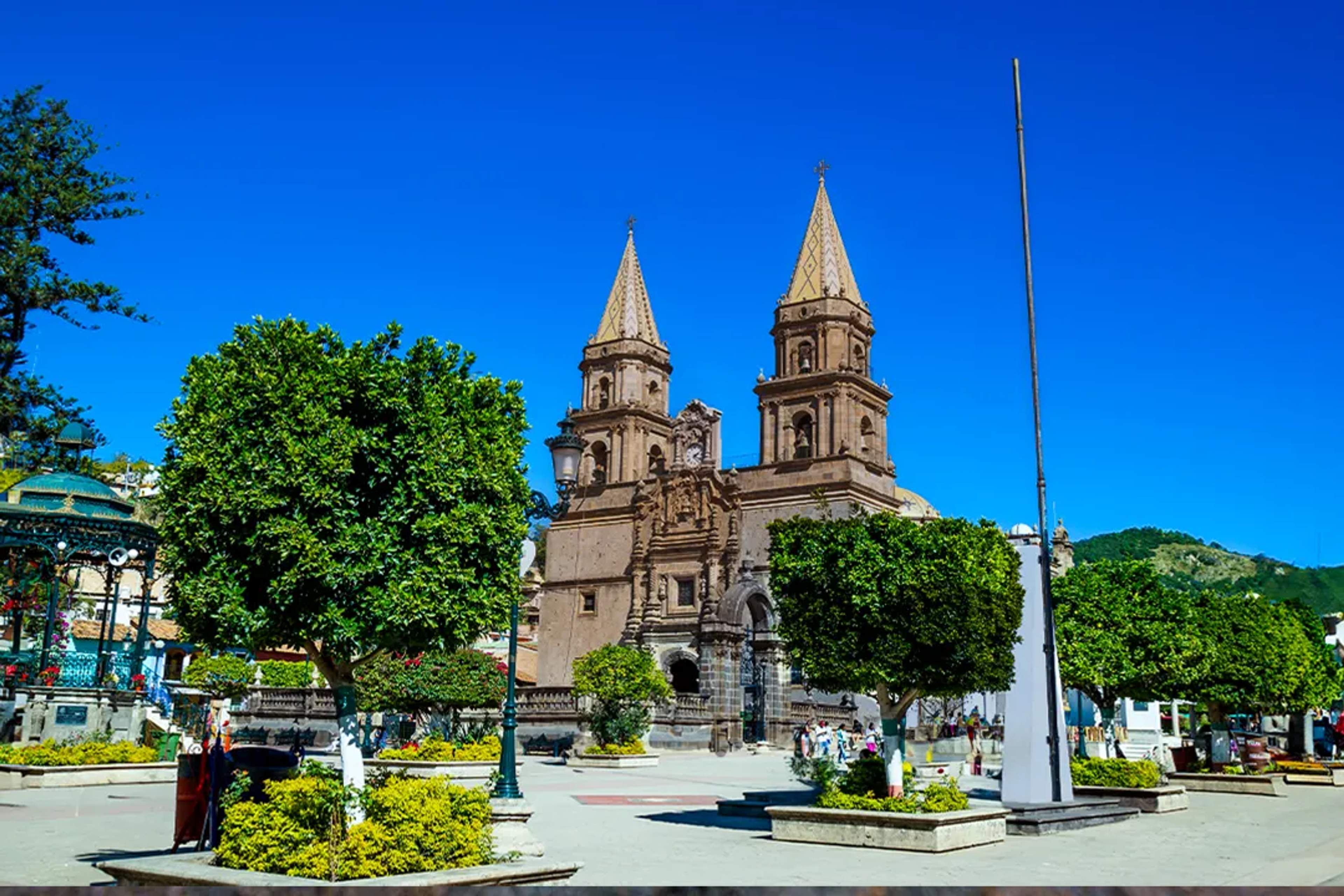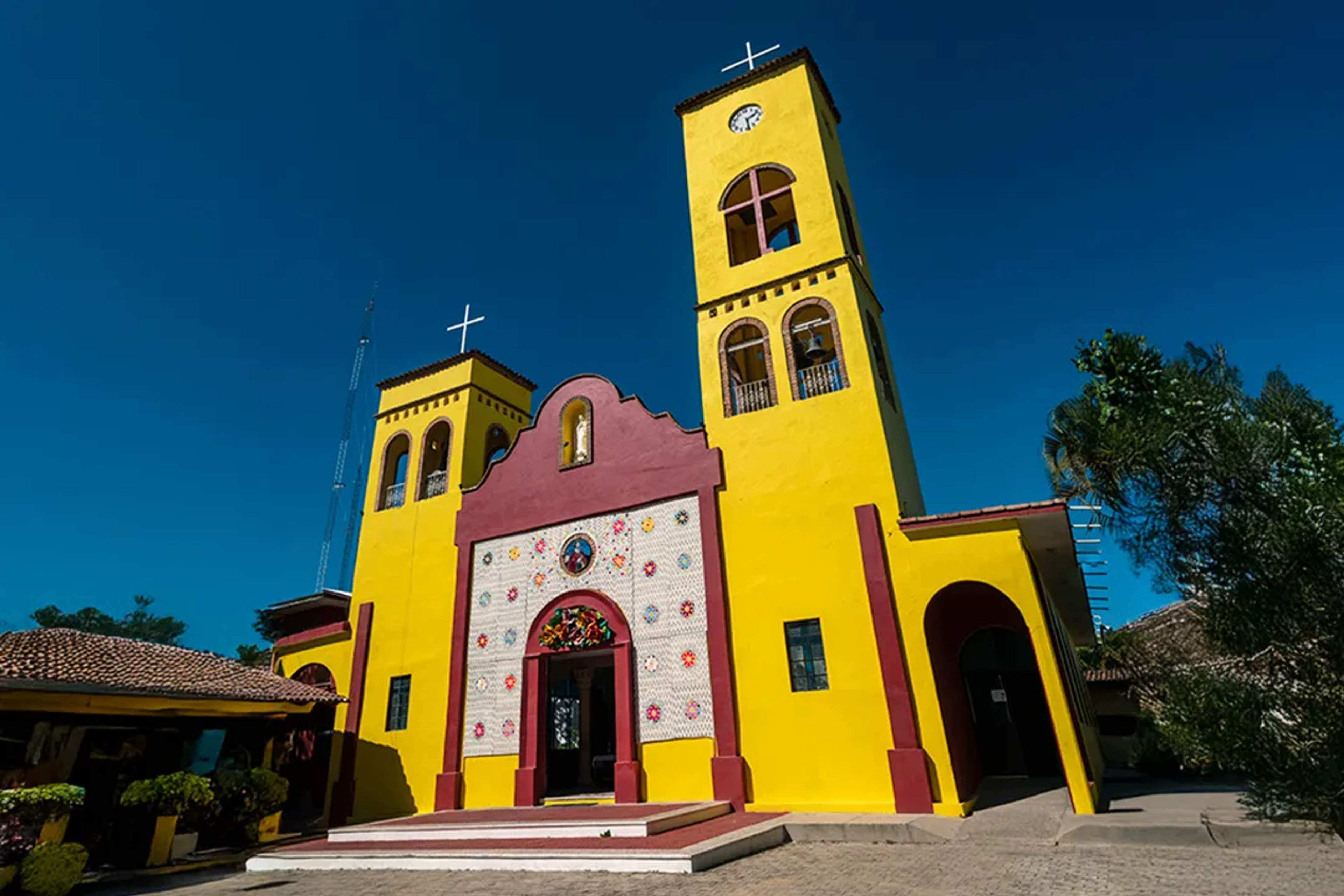
Jalisco has 12 Pueblos Mágicos, and for anyone staying in Puerto Vallarta, several are within a day's reach. This guide focuses only on Jalisco, and only on the trips that make sense from the Bay of Banderas.
What Is a Pueblo Mágico?
Mexico's federal tourism secretariat, Sectur, launched the Pueblos Mágicos program in 2001. The goal was simple: pull tourism away from the all-inclusive beach strip and spread it across small towns that kept their architecture, crafts, and fiestas intact.
To earn the title, a town needs at least 5,000 residents, a location within about 300 km (roughly three hours) of a well-connected city, and a citizens' committee with a five-year plan. Sectur reviews each town every year and can strip the title if standards slip. Mexico now has 177 Pueblos Mágicos, and Jalisco's dozen are among the most visited in the country.
Why Pueblos Mágicos Are Worth a Day Away from the Resort
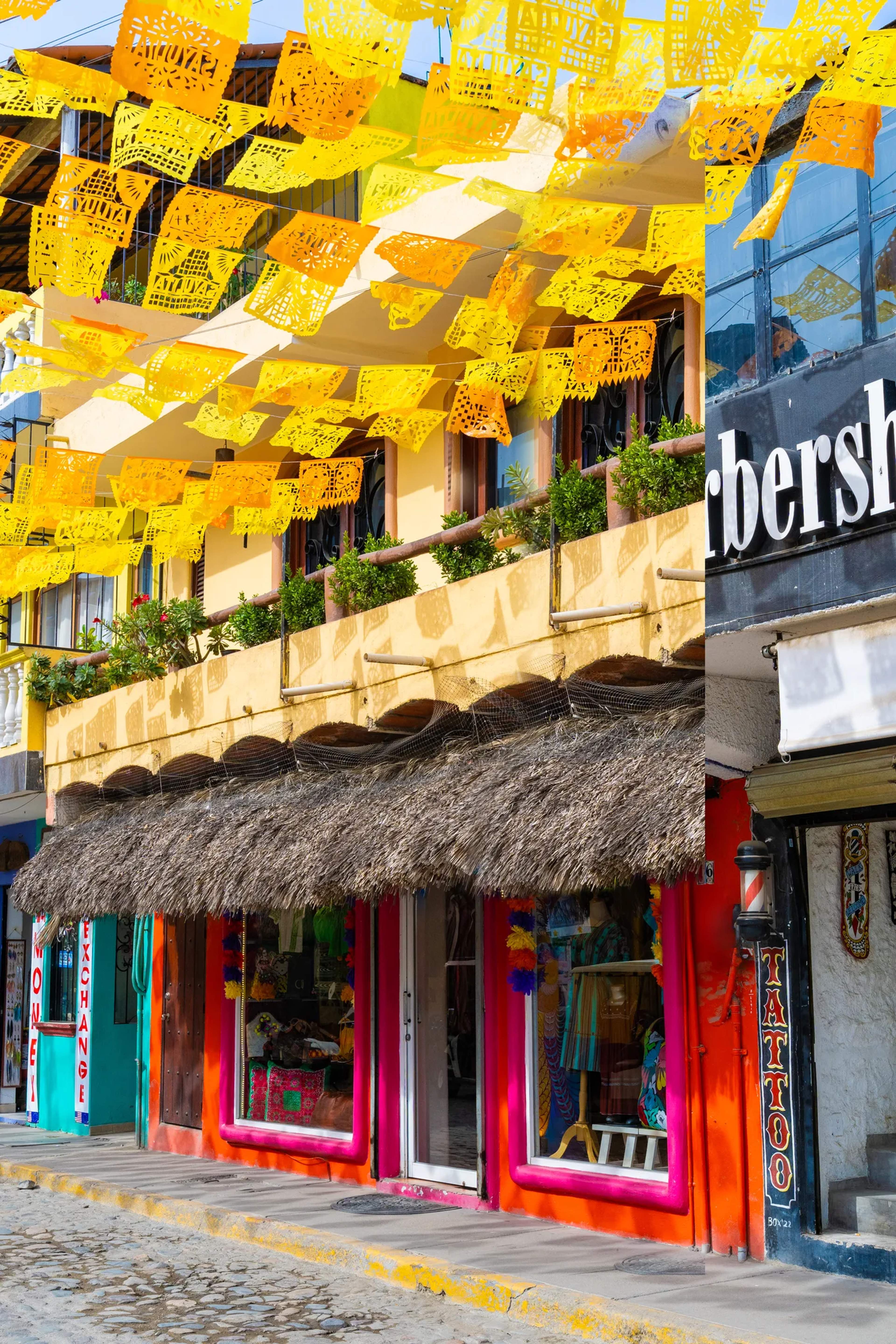
Puerto Vallarta's beaches, pools, and sunsets are reason enough to come. But a Pueblo Mágico day gives you a side of Mexico the Malecón cannot: a plaza where the band tunes up at seven, a baker who has used the same oven since the 1970s, a silversmith who learned from his grandfather.
In Cocula, Jalisco, the self-proclaimed World Cradle of Mariachi, children learn the instruments at a regional school, and a full mariachi plays Sunday mass. In San Sebastián del Oeste, the former silver boomtown still smells of woodsmoke and roasted coffee. In Tapalpa, kitchens serve borrego al pastor straight from the pit. These are not themed attractions. They are towns where daily life happens to be beautiful.
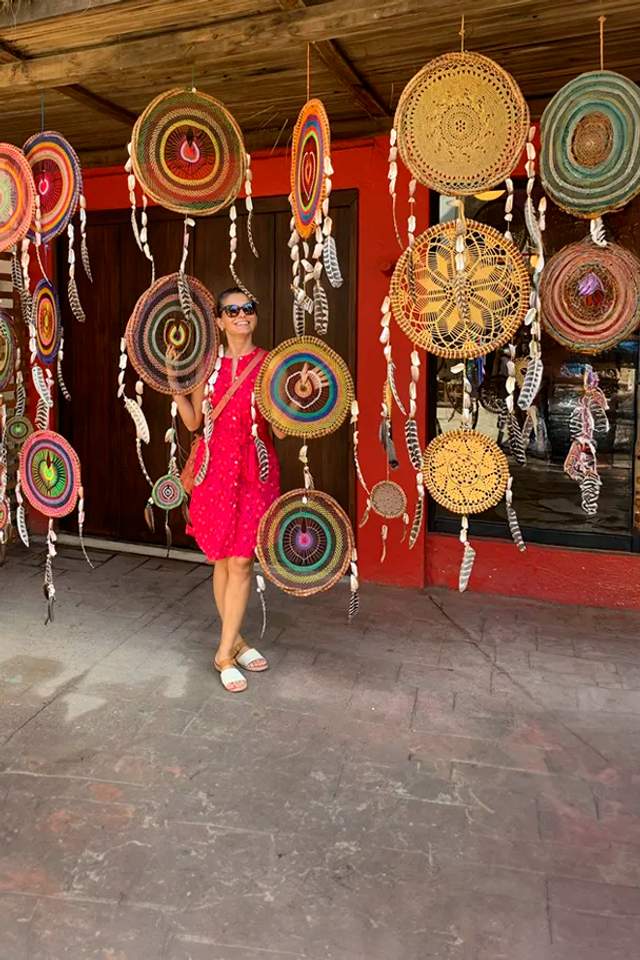
The Wixárika (Huichol) people, whose territory stretches through the Sierra Madre near Sayulita, still set chaquira beads one by one in resin and press colored yarn into beeswax boards. Each deer, peyote, or maize motif carries cosmological meaning. You will see their work in several Jalisco Pueblos Mágicos, and buying directly from an artisan matters.
How to Choose Which Pueblo Mágico to Visit
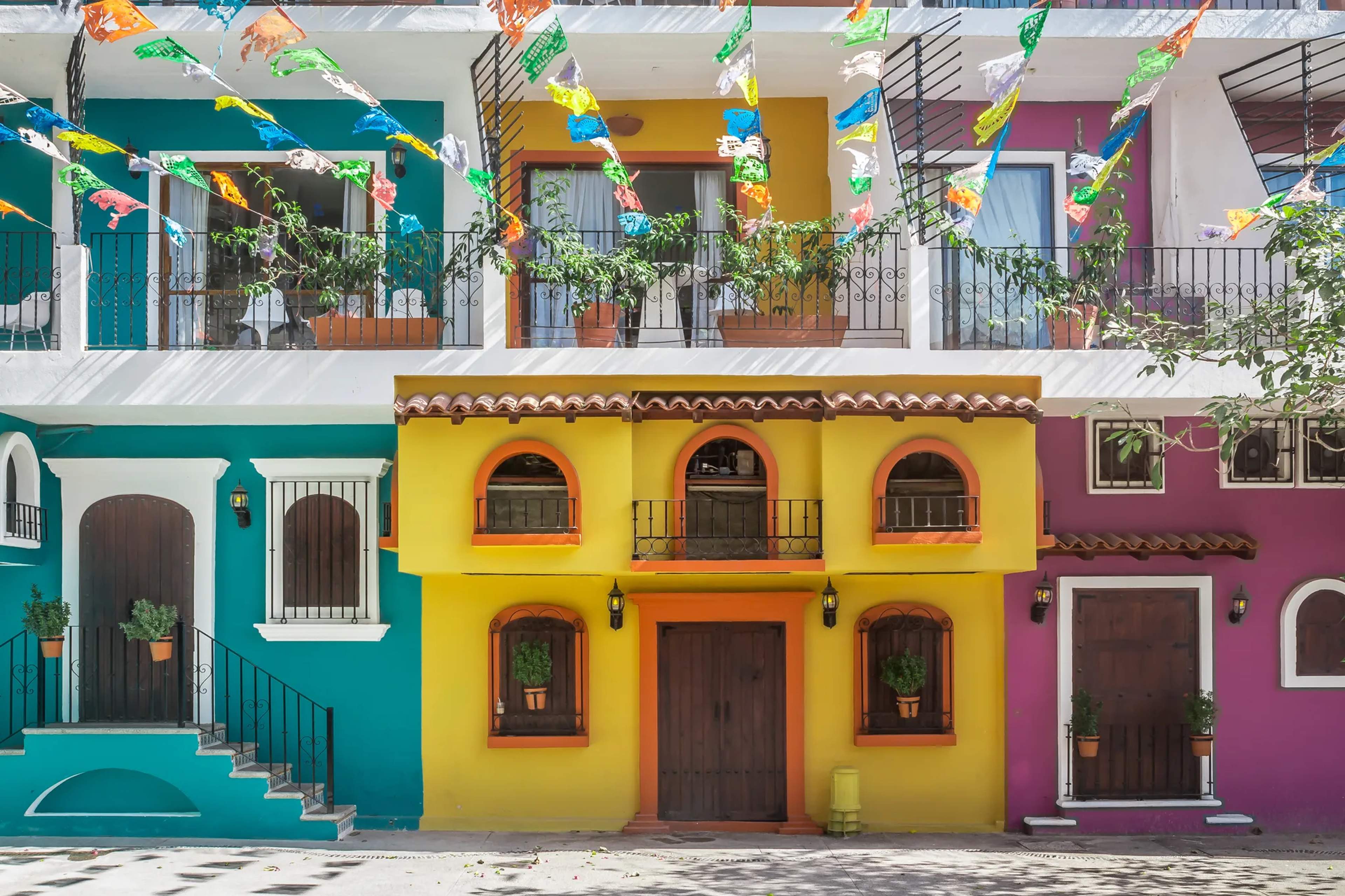
Start with what you want to do. Tequila is for spirits and UNESCO-listed agave fields. Tlaquepaque is for ceramics, blown glass, and long lunches with mariachi. San Sebastián del Oeste is for coffee, silver, and mountain air. Mascota and Talpa de Allende are for pilgrim routes and pine forest. Sayulita, over the Nayarit line but tied to the Vallarta scene, is for surf and Wixárika beadwork.
Then measure the road. Some towns are an easy day trip from Puerto Vallarta. Others sit closer to Guadalajara and only make sense as part of a longer loop, or an overnight. Finally, think about the season. November to April is the dry season, and the highland towns stay cool when the coast is hot. Festivals and long weekends fill the few small hotels early, so book lodging first.
Pueblos Mágicos de Jalisco at a Glance
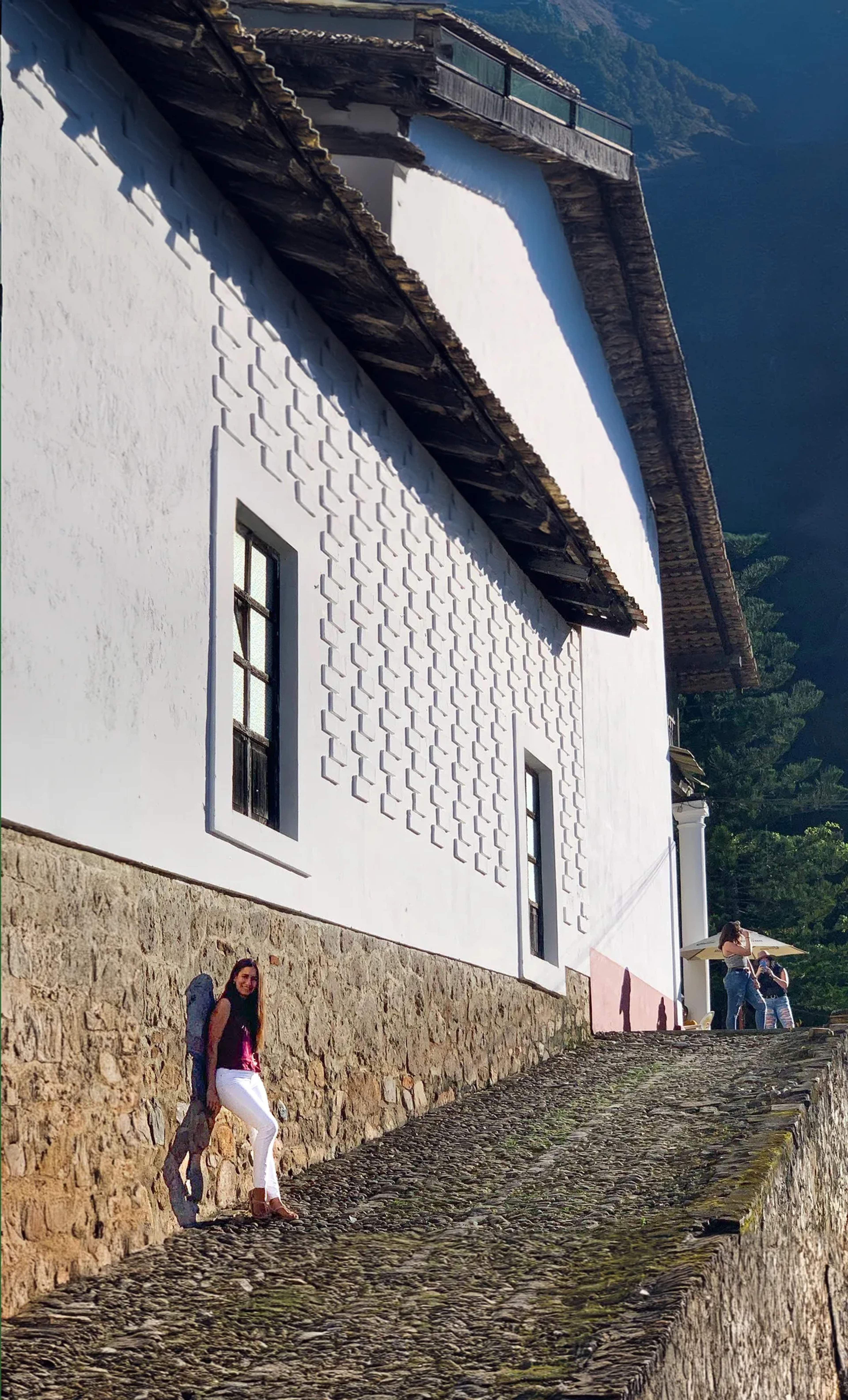
Jalisco's 12 Pueblos Mágicos sit in three loose clusters: the Sierra Madre towns above Puerto Vallarta, the Guadalajara ring, and the southern highlands around the Sierra del Tigre.
- Easy from Puerto Vallarta: San Sebastián del Oeste, Mascota, Talpa de Allende
- Day trips best from Guadalajara: Tequila, Tlaquepaque, Ajijic
- Overnight territory: Tapalpa, Mazamitla, Lagos de Moreno
For a Vallarta-based traveler, the first group has the action.
San Sebastián del Oeste: The Classic Vallarta Day Trip
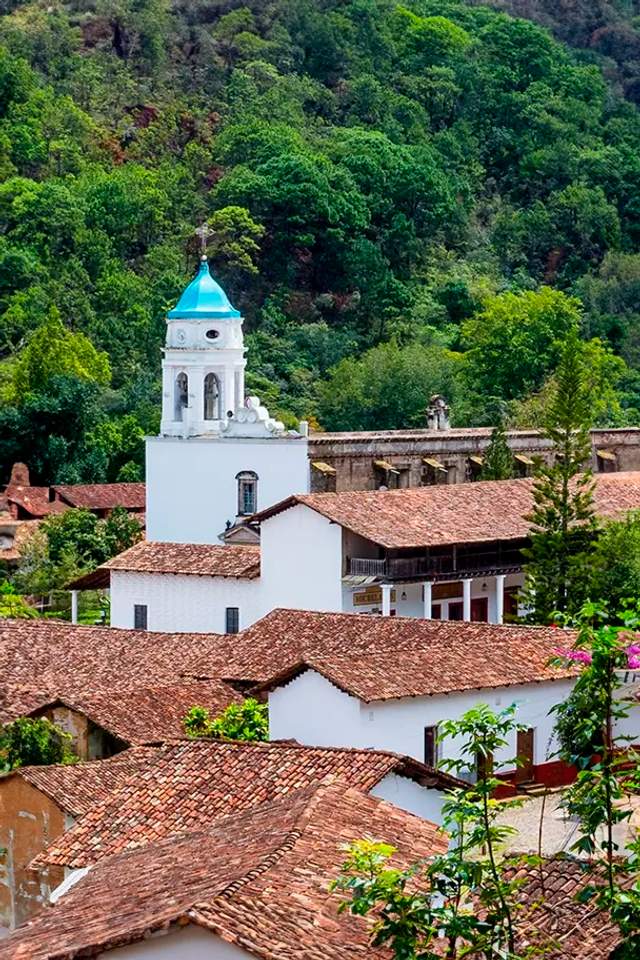
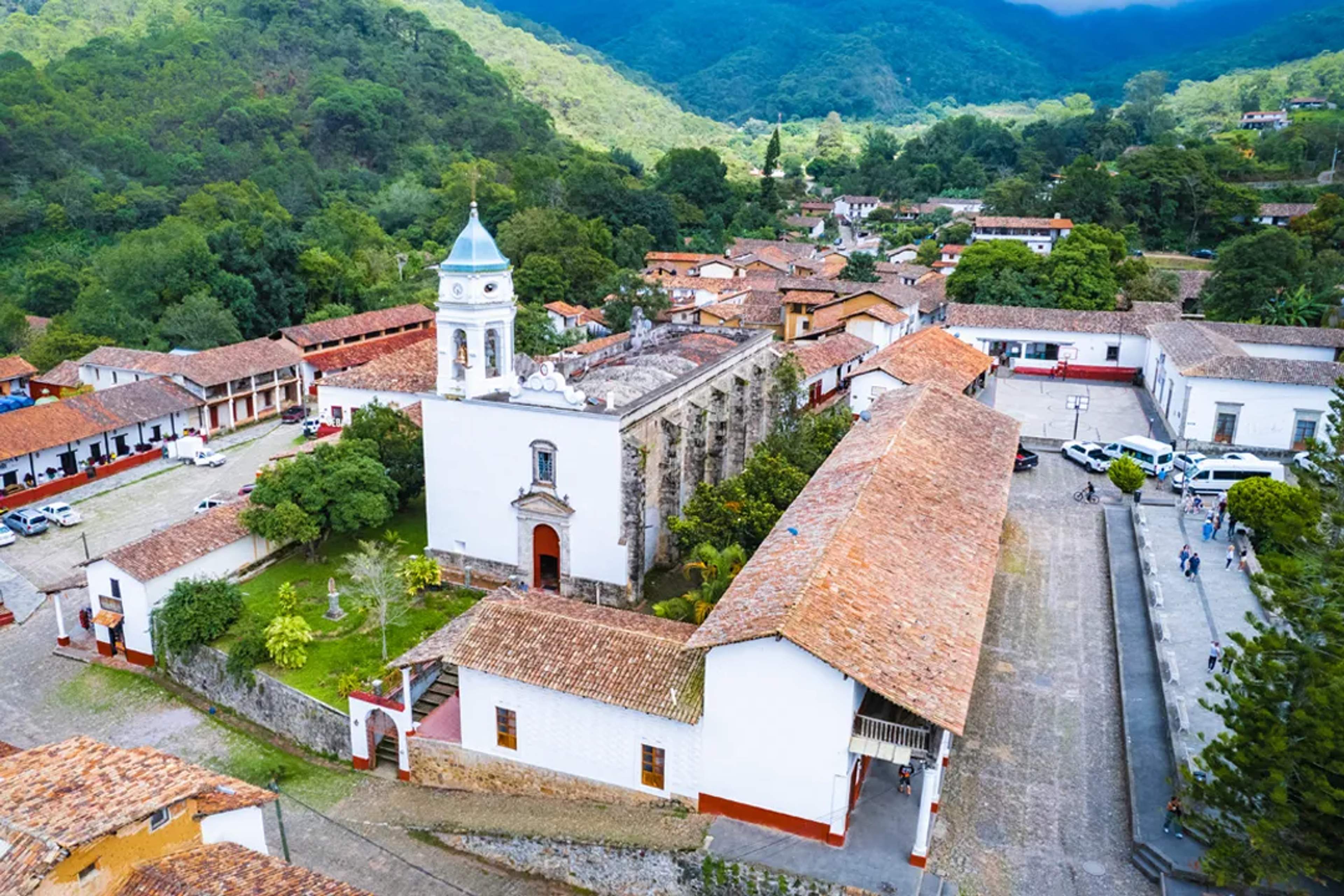
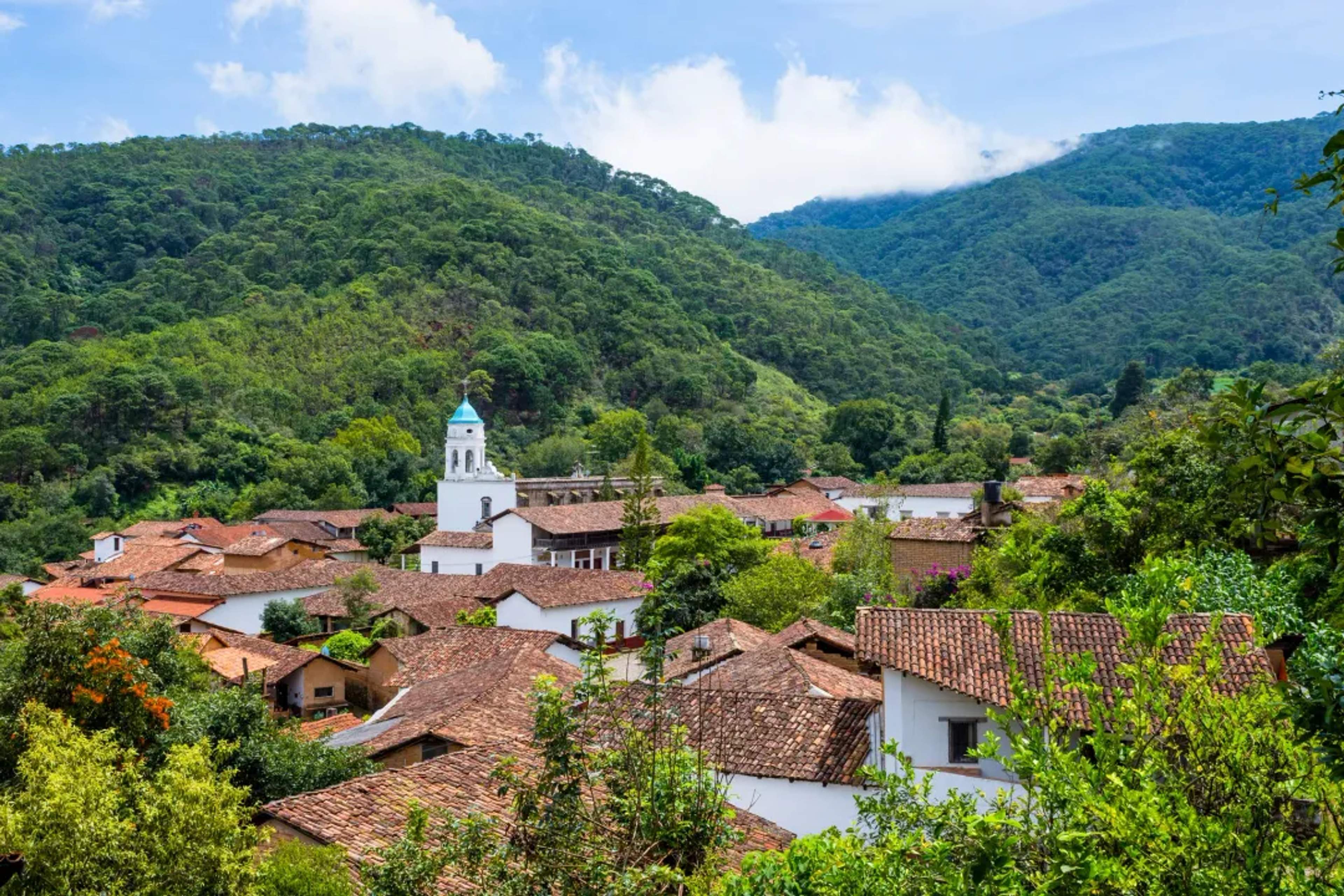
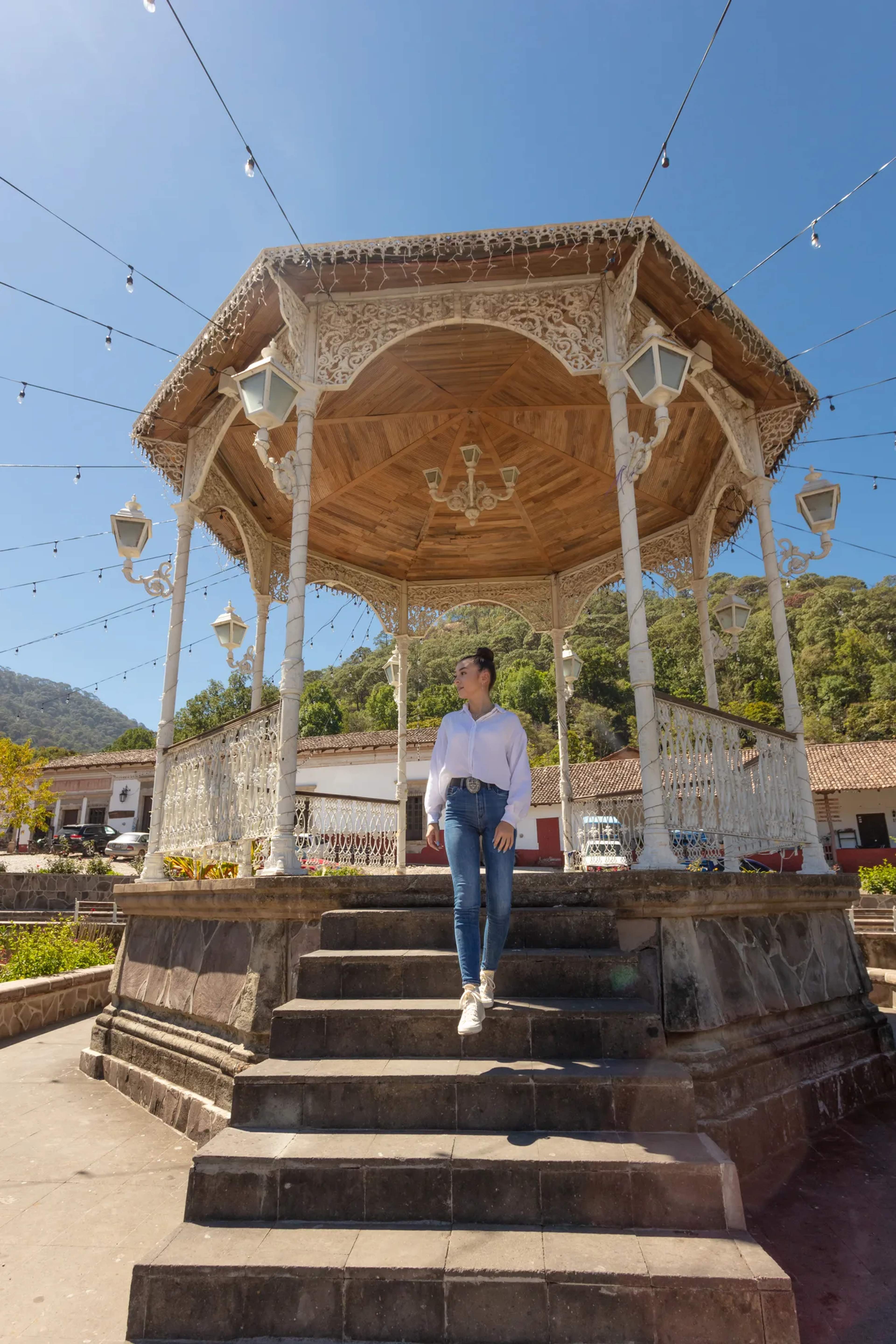
San Sebastián del Oeste sits at about 1,500 meters up a winding mountain road from Puerto Vallarta, roughly 68 km away. Founded in 1605 as a silver-mining center, it once held more than 20,000 people. Today, fewer than 1,000 live in the town itself, and it has kept its adobe houses, red-tile roofs, cobblestone streets, and blue-domed 18th-century church almost exactly as the miners left them.
A good day in San Sebastián usually includes a family coffee farm (the Sanchez family's Cafetal La Quinta Mary is the best known), a silversmith's workshop, a stop at an agave field for raicilla tasting, and a long lunch of mountain-style trout or steak. Climb the Cerro de la Bufa for a long view over the Sierra Madre if the weather is clear.
The road up is the challenge. It is a winding 76-km mountain route, best driven in daylight only, and not for anyone prone to car sickness. The San Sebastian del Oeste day trip from Puerto Vallarta handles the drive, adds the coffee farm, silversmith, agave tasting, and a three-course lunch, and returns before dark. Stay overnight at one of the small haciendas if you want to see the town after the day visitors leave; the plaza at eight p.m. is quieter and better.
Mascota and Talpa de Allende: The Sierra Loop
Beyond San Sebastián, the same mountain road continues to two more Pueblos Mágicos.
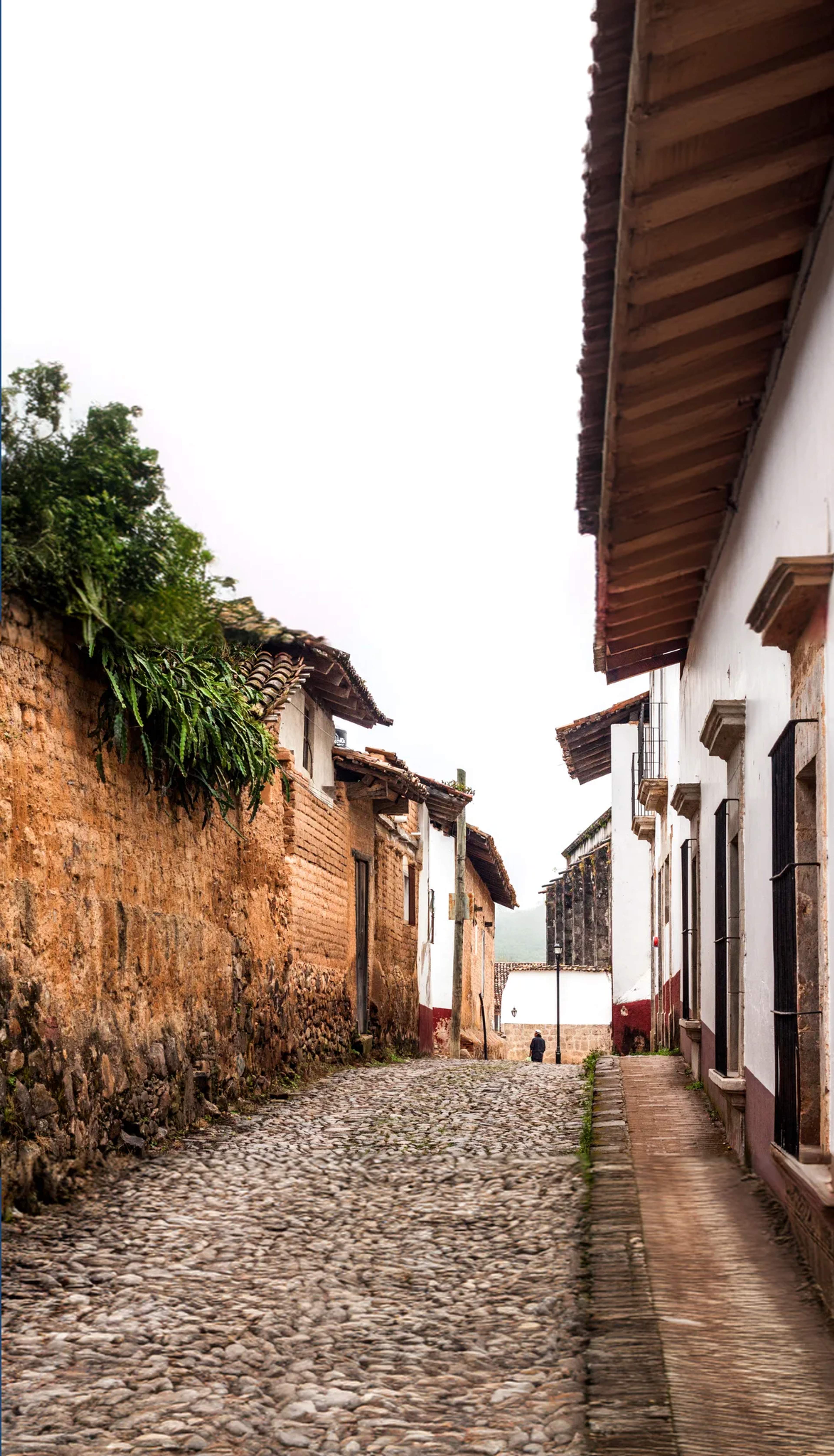
Mascota, about 2.5 hours from Puerto Vallarta, sits in a wide green valley at 1,200 meters. It is known for its unfinished Templo de la Preciosa Sangre (a roofless 19th-century church that locals turned into a gathering place), its raicilla distilleries, and the lakes of Juanacatlán and Corrinches just outside town. The Casa Museo de Mascota holds pre-Hispanic artifacts from the region.
Talpa de Allende, another hour on, is one of western Mexico's great pilgrimage sites. The Basílica de Nuestra Señora del Rosario de Talpa draws walkers along the Ruta del Peregrino, especially around Easter Week and October 7, when tens of thousands arrive on foot from Mascota and beyond. Even outside pilgrimage weeks, the Virgin's shrine is worth the stop, and chilte figurines (little saints and animals made from tree-sap paste) are a Talpa specialty.
The three towns together, San Sebastián, Mascota, and Talpa, make an excellent two- or three-day loop from Puerto Vallarta if you want to go deeper than a single day allows.
Tequila: The 10-Hour Pilgrimage
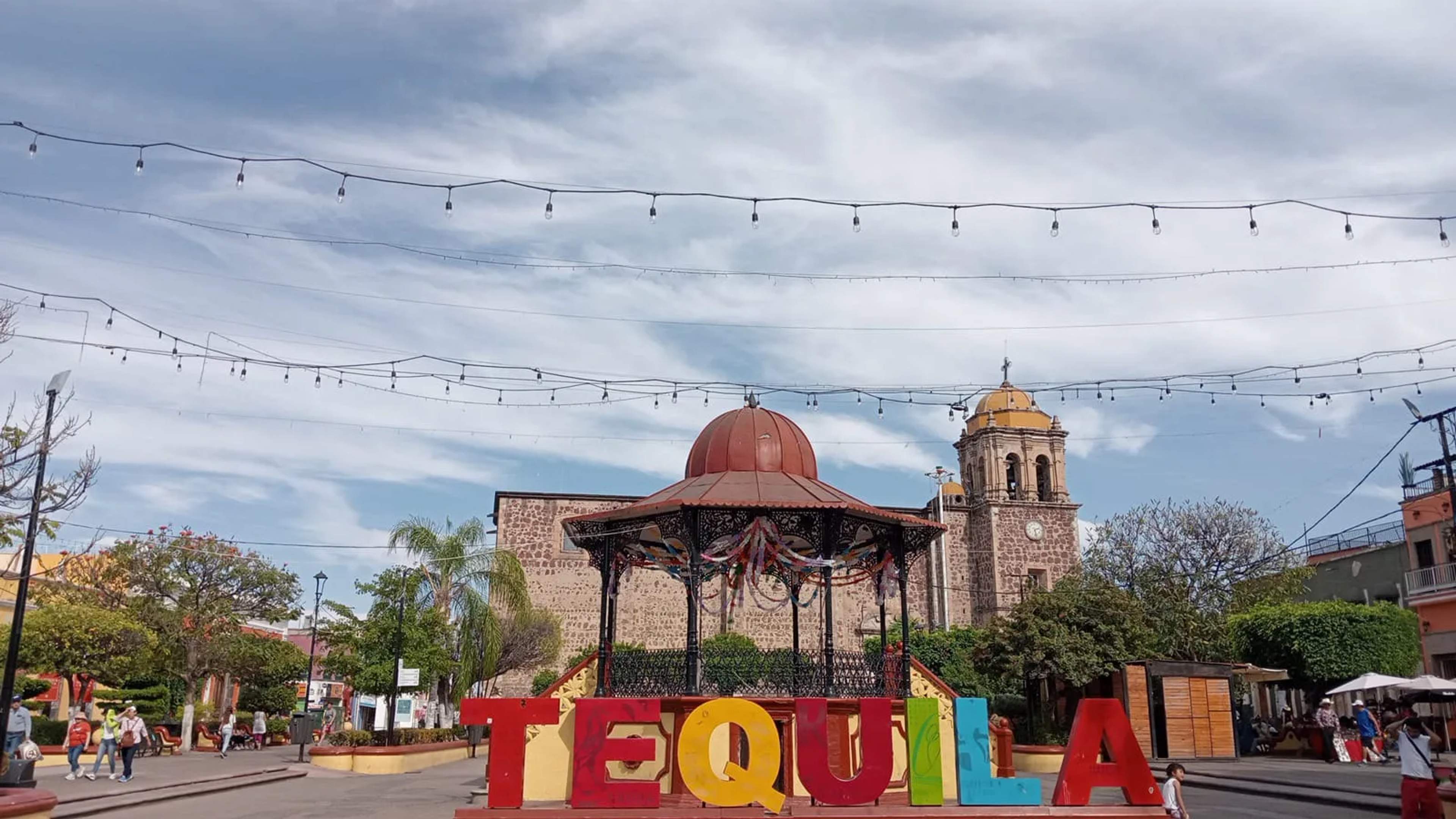
Tequila itself is a long day from Puerto Vallarta, but for many travelers it is the whole point of coming to Jalisco. Its agave fields and distilleries became a UNESCO World Heritage property in 2006, and the Volcán de Tequila rises behind the town like a backdrop painted for the brand.
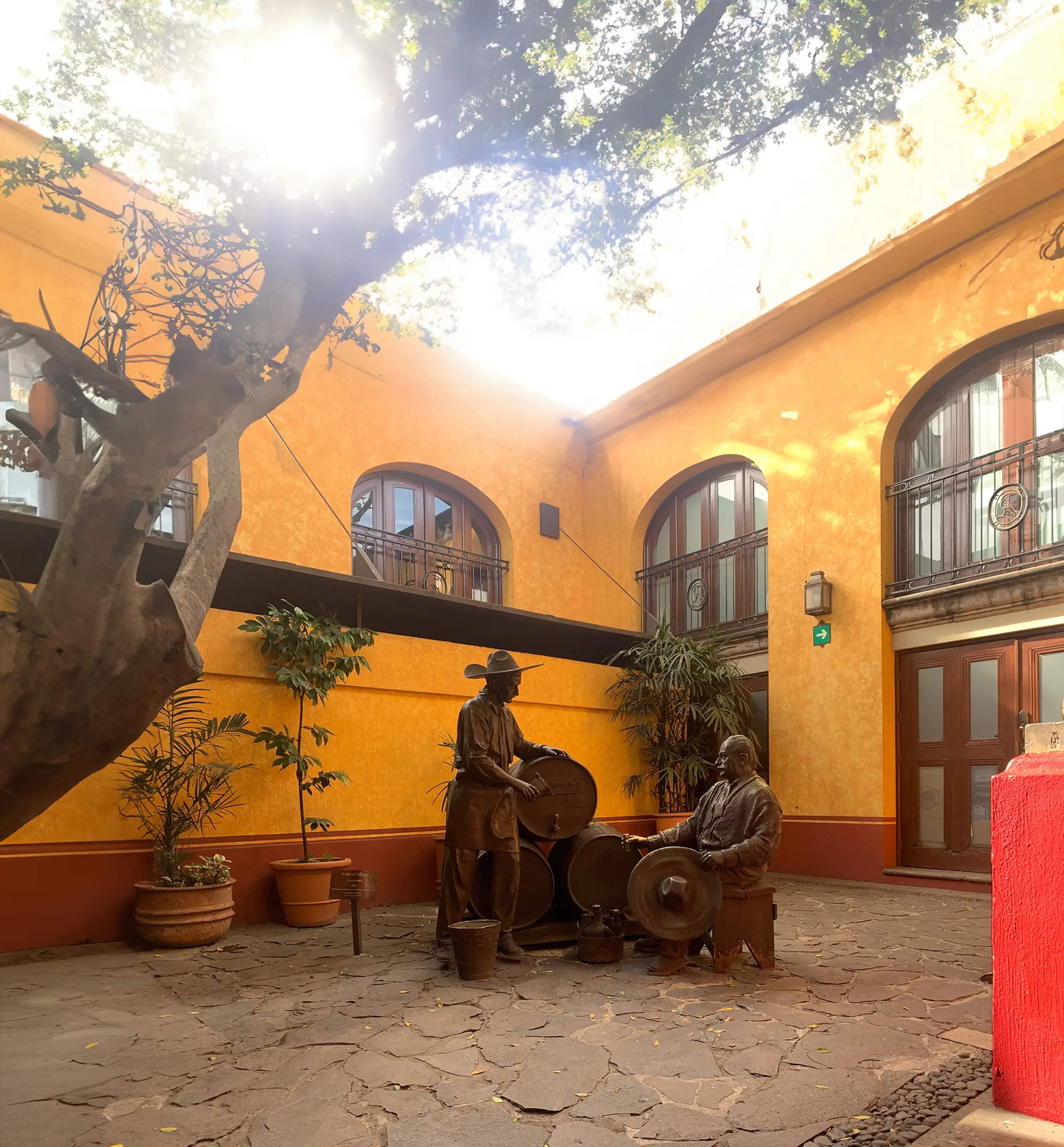
At José Cuervo's La Rojeña, the oldest working distillery in the Americas, you can watch the tahona process (a volcanic-stone wheel still crushing roasted agave) before tasting blanco, reposado, and añejo. Herradura, Sauza, and dozens of smaller houses run their own tours. In town, the Mundo Cuervo complex, the parish church, and the Museo Nacional del Tequila are all within a short walk of the main plaza.
The Private Tequila Tour & Jose Cuervo Distillery from Puerto Vallarta is a 10-hour round trip. It is long, but it is also the easiest way to see Tequila without renting a car for the full Guadalajara run.
Tlaquepaque and Ajijic: The Guadalajara Ring
Tlaquepaque sits right beside Guadalajara and is Mexico's unofficial capital of fine crafts. Pedestrian streets like Independencia and Juárez are lined with galleries selling bandera-ware ceramics, blown glass, hand-forged iron, equipal leather furniture, and papier-mâché catrinas. El Parián, a square ringed by cantinas, hosts live mariachi most afternoons. Lunch at Casa Luna or Casa Fuerte, then wander with no plan.
Ajijic, on the north shore of Lake Chapala (Mexico's largest lake), is a smaller, quieter stop known for its murals, its retiree community, and its weekly tianguis market. The malecón at sunset, with the Sierra del Tigre on the far shore, is one of Jalisco's prettiest walks.
Both Tlaquepaque and Ajijic are easier from Guadalajara than from Puerto Vallarta. If you have time, consider a short stopover in Guadalajara, since the new highway puts the city about 2.5 hours from Puerto Vallarta by car.
Tapalpa and Mazamitla: Cabin Country
Tapalpa was Jalisco's first Pueblo Mágico, named in 2002. It sits in pine forest at about 2,000 meters, and in winter the mornings can be close to freezing. The red-tile roofs, white walls, and wood balconies look more Alpine than tropical. The Cascada del Nogal waterfall and the Piedrotas (giant free-standing boulders in a nearby pasture) are the usual day hikes. Try borrego al pastor, the local lamb specialty, and the ponche de granada.
Mazamitla, in the Sierra del Tigre, is sometimes called "the Switzerland of Jalisco." It is cabin country: rent one with a fireplace, buy pecan pralines and homemade liqueurs in the market, and hike to the Cascada El Salto. Both towns sit about two hours from Guadalajara and are not practical as day trips from Puerto Vallarta. If the mountain-town cabin weekend sounds like the point of the trip, fly into Guadalajara instead.
Day Trip, Overnight, or Longer: What Fits a Vallarta Vacation
- Half day: None of the Jalisco Pueblos Mágicos are honestly half-day trips from Puerto Vallarta.
- Full day: San Sebastián del Oeste is the classic one-day pick. Tequila is doable in a long 10-hour day with a guided tour.
- Overnight: San Sebastián after dark, or a Mascota–Talpa loop.
- Two or three nights: The full Sierra loop (San Sebastián, Mascota, Talpa), or a Guadalajara add-on with Tequila, Tlaquepaque, and Ajijic.
Festivals Worth Planning Around
- Feria Nacional del Tequila (Tequila): Last Saturday in November through the second Sunday in December. Busiest on opening weekend and on December 12, the feast of the Virgin of Guadalupe.
- Ruta del Peregrino to Talpa: Easter Week and October 7 draw the largest crowds. Shoulder weeks are calmer but still moving.
- Fiestas de San Sebastián (San Sebastián del Oeste): January 20, patron saint day, with processions and fireworks.
- Festival Cultural de Mayo (Guadalajara and Tlaquepaque): All of May, concerts and gallery nights spill into the pedestrian streets.
How to Travel Respectfully
- Greet before you ask. A buenos días or buenas tardes when you enter a shop is expected.
- Buy directly from artisans, or from shops that name their Wixárika partners.
- Respect Huichol motifs. They are widely copied on mass-produced goods, and Wixárika communities now hold legal standing over them.
- Ask before photographing anyone, especially people in traditional dress or at prayer.
- Dress modestly in churches, keep your voice down, and never block a procession for a photo.
- Tip guides, drivers, and servers in dollars or pesos.
Pick Your Day
Plan a full day so the town's pace, not your resort schedule, sets the rhythm. One Pueblo Mágico, done slowly, beats three ticked off in a rush.
When you are ready, browse all our tours, and we will take care of the road.
Frequently Asked Questions
How many Pueblos Mágicos are there in Jalisco?
Twelve. The full list is San Sebastián del Oeste, Mascota, Talpa de Allende, Tequila, Tlaquepaque, Ajijic, Tapalpa, Mazamitla, Lagos de Moreno, Temacapulín, and two more recent additions. Not all are practical from Puerto Vallarta.
Which Pueblo Mágico is closest to Puerto Vallarta?
San Sebastián del Oeste, about 68 km away. Its winding mountain road makes it a full-day trip rather than a quick excursion. Sayulita, just over the Nayarit state line, is closer still (about 40 km north on Highway 200), but it is a Nayarit Pueblo Mágico, not a Jalisco one.
What are the best Pueblos Mágicos in Jalisco?
Pick Tequila for spirits, Tlaquepaque for shopping, Tapalpa for hiking, Mazamitla for a cabin weekend, Ajijic for lakeside murals, and San Sebastián del Oeste for coffee and mountain air.
Are the Pueblos Mágicos in Jalisco safe to visit?
The US State Department rates Jalisco Level 3 statewide, with no specific restrictions on Puerto Vallarta, the Riviera Nayarit coastline, or the main Pueblos Mágicos tourist routes. Drive mountain roads only in daylight, or use a guided day trip.
Do you need to speak Spanish to visit?
No. Bilingual guides are easy to arrange, and shopkeepers warm to anyone who tries a greeting. Gracias when you leave, con permiso when squeezing past someone, and muy amable as a warmer thank-you will cover most of a day.